In the animated Soviet film The Golden Antelope, inspired by Indian folklore, a magical antelope tries to save a boy from a greedy raja by promising him as much gold as he wants. When she asks whether there can be too much, the raja laughs: “You can never give me too much gold.” But when the gold begins to bury him, he cries “enough” – and loses everything.Today’s financial system risks repeating the raja’s mistake. For too long, rising nominal wealth, asset prices and the fortunes of the ultra rich have been treated as signs of broader stability. Yet modern wealth increasingly exists not in chests of gold, but in market valuations.According to the World Federation of Exchanges, global stock market capitalisation rose by 18.5 per cent in 2025, to reach almost US$152 trillion.
SRCSouth China Morning Post
LANGEN
LEANCenter-Right
WORDS134
ENT10
WED · 2026-07-08 · 12:30 GMTBRIEF NSR-2026-0708-91236
NSR-2026-0708-91236Analysis·EN·Economic Impact
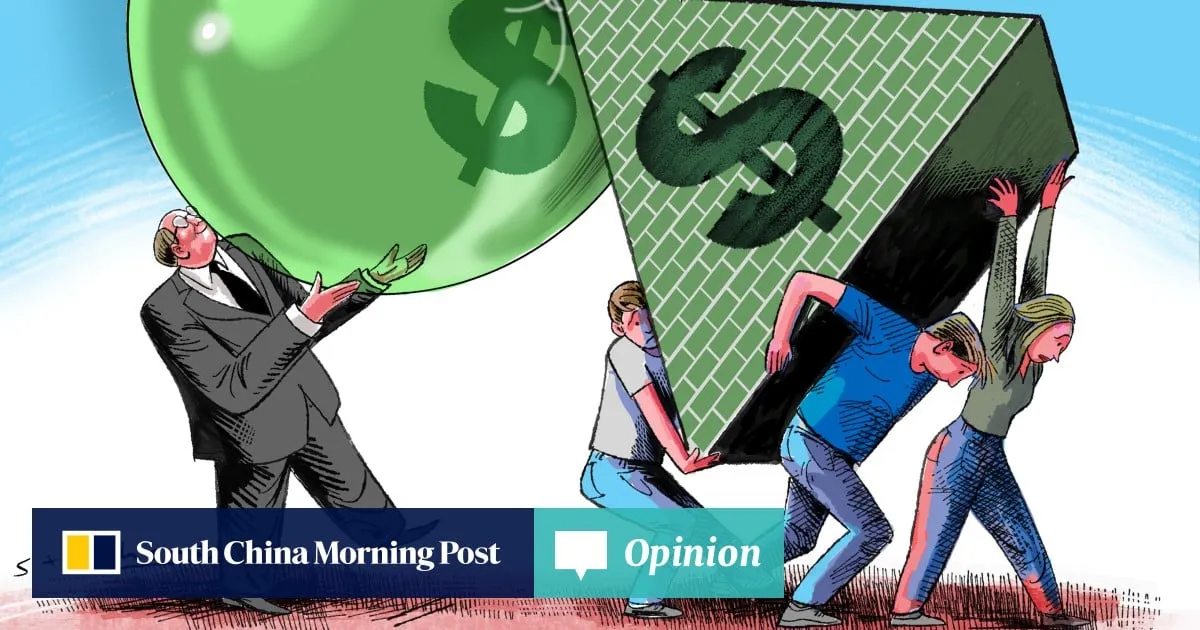
A healthy economy isn’t built on asset bubbles and debt pyramids
The financial system risks repeating a mistake from the Soviet film "The Golden Antelope," where a greedy raja's insatiable desire for gold led to his downfall. Similarly, the current system has long treated rising nominal wealth, asset prices, and the fortunes of the ultra-rich as indicators of stability.
Albert BakhtizinSouth China Morning PostFiled 2026-07-08 · 12:30 GMTLean · Center-RightRead · 1 min
South China Morning PostFIG 01
Reading time
1min
Word count
134words
Sources cited
1cited
Entities identified
10entities
Quality score
100%
§ 01
Briefing Summary
AI-generatedNEWSAR · AI
The financial system risks repeating a mistake from the Soviet film "The Golden Antelope," where a greedy raja's insatiable desire for gold led to his downfall. Similarly, the current system has long treated rising nominal wealth, asset prices, and the fortunes of the ultra-rich as indicators of stability. However, modern wealth is increasingly represented by market valuations rather than tangible assets. For instance, global stock market capitalization reached nearly $152 trillion in 2025, an 18.5% increase. This reliance on market valuations, akin to the raja's overwhelming gold, could lead to a similar loss if unchecked.
Confidence 0.85Sources 1Claims 4Entities 10
§ 02
Article analysis
Model · rule-basedFraming
Economic Impact
Human Interest
Tone
Measured
AI-assessed
CalmNeutralAlarmist
Factuality
0.40 / 1.00
Mixed
LowHigh
Sources cited
1
Limited
FewMany
§ 03
Key claims
4 extracted01
Global stock market capitalisation rose by 18.5 per cent in 2025, to reach almost US$152 trillion.
statisticWorld Federation of Exchanges
Confidence
1.00
02
Modern wealth increasingly exists not in chests of gold, but in market valuations.
factual
Confidence
0.90
03
Rising nominal wealth, asset prices and the fortunes of the ultra rich have been treated as signs of broader stability.
factual
Confidence
0.80
04
The financial system risks repeating the mistake of valuing excessive wealth over stability.
factual
Confidence
0.70
§ 04
Full report
1 min read · 134 words§ 05
Entities
10 identifiedKey playerOppositionContextPositiveNeutralNegative
§ 06
Keywords & salience
9 termsdebt pyramids
1.00
asset bubbles
1.00
financial system
0.90
nominal wealth
0.80
asset prices
0.80
stock market capitalisation
0.70
economic stability
0.60
market valuations
0.50
global economy
0.40
§ 07
Topic connections
Interactive graph No topic relationship data available yet. This graph will appear once topic relationships have been computed.