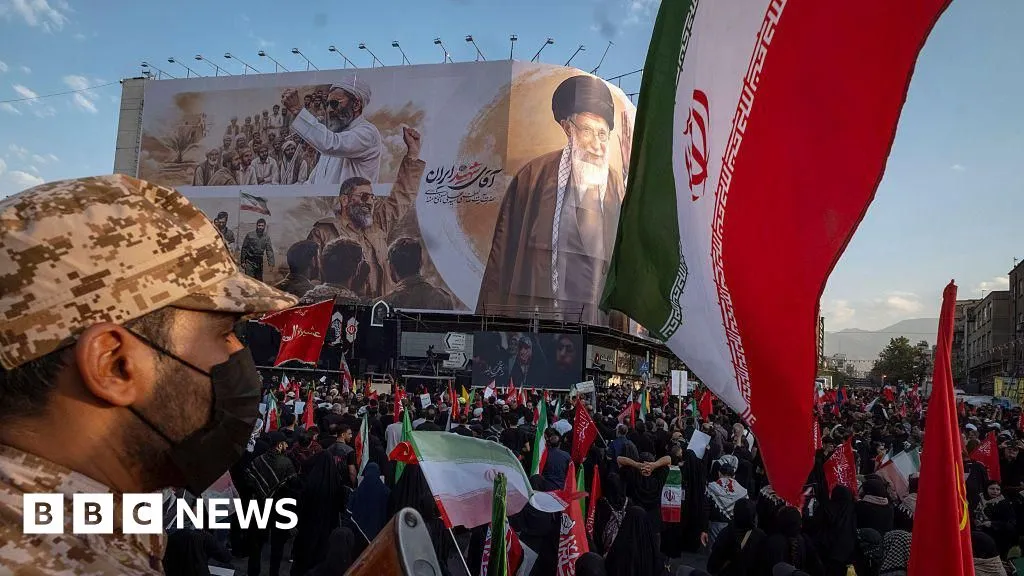
At the heart of the latest military exchanges between Iran and the US is the Tehran regime's determination not to return to the way things were before the US and Israel attacked on 28 February.The regime is determined to keep control of the Strait of Hormuz. The ability to stop shipping carrying global essentials including a fifth of the world supply of oil and gas gives it a chokehold on the world economy.It is a much more usable weapon than the possibility that it will try to develop a nuclear weapon.Iran will not agree to relinquish control of the Strait of Hormuz. That is why it is prepared to risk the MOU – which is laden with potential sweeteners for Iran – to make the point that there is no going back. It is prepared to gamble on continued war to protect what it believes are its strategic rights in the Strait.The regime in Tehran has been emboldened by the failure of the US and Israel to destroy it. The funeral rituals of the supreme leader killed when they launched their campaign have demonstrated that the Islamic regime has a strong core of support.Domestic opposition has not gone away. But the regime's ruthless use of force to crush protests, killing thousands, back in January for protesting in the streets means that it is keeping a low profile.If the escalation between the two sides can be stopped, mediators involved in the negotiating process believe it is possible to do a deal with Iran that will allow shipping to transit the Strait. It would have to be part of a wider agreement that unfreezes Iranian assets held abroad, allows Iran to sell its oil and most critically for the regime acknowledges Iran's authority over the Strait. In return Iran would have to accept limits on enriching uranium, allow UN nuclear inspectors back in, and to account for stocks of what Trump calls "nuclear dust" – in other words uranium already enriched close to levels that could be used to make a nuclear weapon.
SRCBBC News - World
LANGEN
LEANCenter
WORDS341
ENT10
WED · 2026-07-08 · 15:30 GMTBRIEF NSR-2026-0708-91254
NSR-2026-0708-91254Analysis·EN·Diplomatic
Bowen: For all his bluster, Trump has no better option than talks with Iran
Iran is determined to maintain control of the Strait of Hormuz, viewing it as a crucial economic weapon, and will not relinquish this control. Recent US and Israeli actions have not destroyed the Tehran regime, which has demonstrated strong internal support despite domestic opposition.
30 minutes agoShareSaveAdd as preferred on GoogleJeremy BowenInternational editorBBC News - WorldFiled 2026-07-08 · 15:30 GMTLean · CenterRead · 2 min
BBC News - WorldFIG 01
Reading time
2min
Word count
341words
Sources cited
0cited
Entities identified
10entities
Quality score
100%
§ 01
Briefing Summary
AI-generatedNEWSAR · AI
Iran is determined to maintain control of the Strait of Hormuz, viewing it as a crucial economic weapon, and will not relinquish this control. Recent US and Israeli actions have not destroyed the Tehran regime, which has demonstrated strong internal support despite domestic opposition. Mediators believe a deal is possible if escalation ceases, allowing shipping transit through the Strait as part of a broader agreement. This deal would involve unfreezing Iranian assets, allowing oil sales, and acknowledging Iran's authority over the Strait. In return, Iran would need to accept limits on uranium enrichment, permit UN inspectors, and account for enriched uranium stocks.
Confidence 0.90Claims 5Entities 10
§ 02
Article analysis
Model · rule-basedFraming
Diplomatic
Economic Impact
Tone
Measured
AI-assessed
CalmNeutralAlarmist
Factuality
0.40 / 1.00
Mixed
LowHigh
Sources cited
0
No named sources
FewMany
§ 03
Key claims
5 extracted01
The regime is determined to keep control of the Strait of Hormuz.
factual
Confidence
0.90
02
In return Iran would have to accept limits on enriching uranium, allow UN nuclear inspectors back in, and to account for stocks of what Trump calls "nuclear dust".
factual
Confidence
0.80
03
The ability to stop shipping carrying global essentials including a fifth of the world supply of oil and gas gives it a chokehold on the world economy.
factual
Confidence
0.80
04
The Tehran regime is determined not to return to the way things were before the US and Israel attacked on 28 February.
factual
Confidence
0.80
05
Mediators believe it is possible to do a deal with Iran that will allow shipping to transit the Strait.
factualmediators
Confidence
0.70
§ 04
Full report
2 min read · 341 words§ 05
Entities
10 identifiedKey playerOppositionContextPositiveNeutralNegative
People1
Organizations3
Locations4
§ 06
Keywords & salience
10 termsiran
1.00
strait of hormuz
1.00
us
0.90
nuclear weapon
0.80
negotiating process
0.70
shipping
0.60
uranium enrichment
0.50
oil and gas
0.50
tehran regime
0.40
trump
0.40
§ 07
Topic connections
Interactive graph Network visualization showing 51 related topics
View Full Graph Person Organization Location Event|Click node to navigate|Edge numbers = shared articles