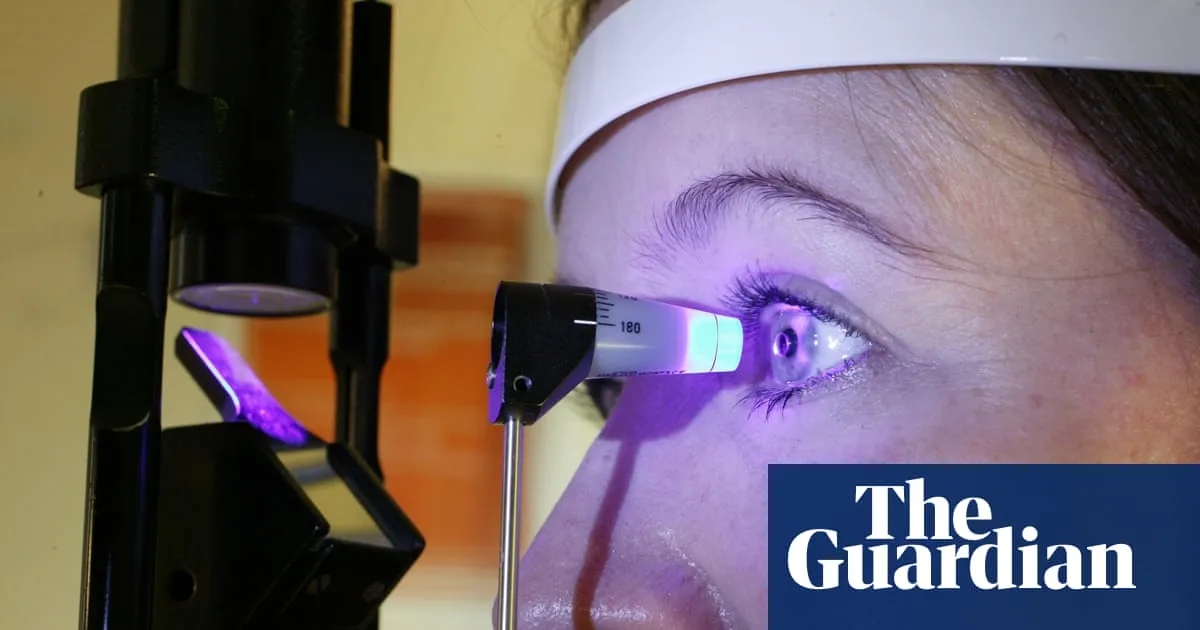
New estimates predict at least 1.6 million people in the UK will be living with Glaucoma, the leading cause of irreversible blindness worldwide, by 2060.The figure is much higher than the current 1.1 million people estimated to have the condition, research published in the British Journal of Ophthalmology suggests.The sharp rise will be driven by an increasingly ageing population and growth in the proportion of higher-risk ethnically diverse groups, prompting a need for an expansion in eye health services to meet demand.The Glaucoma “demographic timebomb” will require “serious planning and action now” to ensure future patients have timely diagnosis and treatment, experts say. They also stressed the importance of annual eye checks for people in middle age, and called for awareness campaigns to be rolled out to address late diagnosis.Glaucoma damages the optic nerve, which connects the eye and brain, and is most common in people over 50. It does not usually exhibit symptoms and develops slowly over many years.Researchers from University College London and Moorfields eye hospital said it was previously thought about 700,000 people in the UK were living with Glaucoma.However, using the most recent census data, the team estimated that more than 1 million people in the UK currently have the condition, the equivalent of 3% of the population over the age of 40. This is estimated to rise to 4% among people of African descent, and 11% in people over 85.The study’s lead author, Prof Paul Foster, a UCL Institute of Ophthalmology researcher and consultant ophthalmic surgeon at Moorfields, said: “Glaucoma is a common cause of blindness, but it isn’t symptomatic until its later stages, so regular tests are important for early diagnosis.“Previous studies have estimated that half of Glaucoma cases are undiagnosed, and this is even higher among some ethnic minority groups who are more likely to experience delays in diagnosis.“Late diagnosis comes with a higher risk of sight loss and higher costs of care; over 40% of Glaucoma patients in the UK experience vision loss that could have been prevented with earlier diagnosis and treatment such as eye drops or surgery.”The research suggests Glaucoma cases in the UK will rise to 1.6m by 2060, based on population predictions from the Office for National Statistics (ONS).This finding underscores the need to expand ophthalmology services to meet the expected rise in demand, as well as ensuring people have access to specialist eye care, researchers said.“Our findings show that there will be a large increase in Glaucoma cases in the UK, so there’s a growing need to expand eye health services to meet this demand, including specialist care and diagnostic capacity,” Foster said.“Awareness campaigns encouraging people to get their eyes checked are also needed as part of targeted early detection strategies, particularly to address late diagnosis in underserved, hard to reach populations.“For people in midlife onwards, it’s important to get your eyes checked annually by your optician, to detect changes that haven’t yet caused any symptoms.”Joanne Creighton, the chief executive of Glaucoma UK, which commissioned the research, said many of the 1 million adults estimated to have Glaucoma would not know they had the condition, and potentially lose sight that they would never be able to recover.“This landmark study also predicts a 60% increase in Glaucoma cases by 2060, rising from just over 1m to 1.61m. This is a demographic timebomb, and we need serious planning and action now to prepare to diagnose, treat, and support these future patients.“These findings highlight why routine eye tests are more important than ever before.”
SRCThe Guardian - World News
LANGEN
LEANCenter-Left
WORDS584
ENT5
TUE · 2026-01-20 · 23:30 GMTBRIEF NSR-2026-0121-9138
NSR-2026-0121-9138News Report·EN·Public Health
UK glaucoma cases will rise to 1.6m by 2060 amid ‘demographic timebomb’, experts say
Sharp increase in leading cause of irreversible but preventable blindness driven by ageing population and shows need for early diagnosis New estimates predict at least 1.6 million people in the UK will be living with glaucoma, the leading cause of irreversible blindness worldwide, by 2060. The figur
Andrew Gregory Health editorThe Guardian - World NewsFiled 2026-01-20 · 23:30 GMTLean · Center-LeftRead · 3 min
The Guardian - World NewsFIG 01
Reading time
3min
Word count
584words
Sources cited
1cited
Entities identified
5entities
Quality score
50%
§ 02
Article analysis
Model · rule-basedFraming
Public Health
Economic Impact
Tone
Measured
AI-assessed
CalmNeutralAlarmist
Factuality
0.80 / 1.00
Factual
LowHigh
Sources cited
1
Limited
FewMany
§ 03
Key claims
5 extracted01
Glaucoma is the leading cause of irreversible blindness worldwide.
factualarticle
Confidence
1.00
02
More than 1 million people in the UK currently have glaucoma.
statisticResearchers from University College London and Moorfields eye hospital
Confidence
0.90
03
Current estimates suggest 1.1 million people in the UK have glaucoma.
statisticresearch published in the British Journal of Ophthalmology
Confidence
0.90
04
UK glaucoma cases will rise to 1.6 million by 2060.
predictionresearch published in the British Journal of Ophthalmology
Confidence
0.90
05
Over 40% of glaucoma patients in the UK experience preventable vision loss.
statisticProf Paul Foster
Confidence
0.80
§ 04
Full report
3 min read · 584 words§ 05
Entities
5 identifiedKey playerOppositionContextPositiveNeutralNegative