The World Bank recently upgraded the Philippines to an upper-middle-income country, but that classification makes little difference to many Filipinos grappling with rising cost of living, debt and stagnant wages.“I laughed actually. Like, for real? Where did the data come from?” Ann Michelle Federez-Abato said of the July 1 announcement that her country’s gross national income (GNI) per capita had reached US$4,850 in 2025, surpassing the US$4,636 cut-off for upper-middle-income economies.“Filipinos are already at a huge loss with inflation, coupled with their daily expenses and with many sinking further into debt just to get by,” the public high school teacher said, reflecting on a milestone that took nearly 40 years to reach and does not match the nation’s economic reality.
SRCSouth China Morning Post
LANGEN
LEANCenter-Right
WORDS120
ENT9
THU · 2026-07-09 · 03:04 GMTBRIEF NSR-2026-0709-91452
NSR-2026-0709-91452News Report·EN·Human Interest
Philippines got an economic upgrade, yet many Filipinos feel it’s no ‘big deal’
The World Bank recently reclassified the Philippines as an upper-middle-income country, a designation based on its gross national income (GNI) per capita reaching US$4,850 in 2025, exceeding the threshold of US$4,636. This upgrade, achieved after nearly 40 years, has been met with skepticism by many Filipinos.
Sam BeltranSouth China Morning PostFiled 2026-07-09 · 03:04 GMTLean · Center-RightRead · 1 min
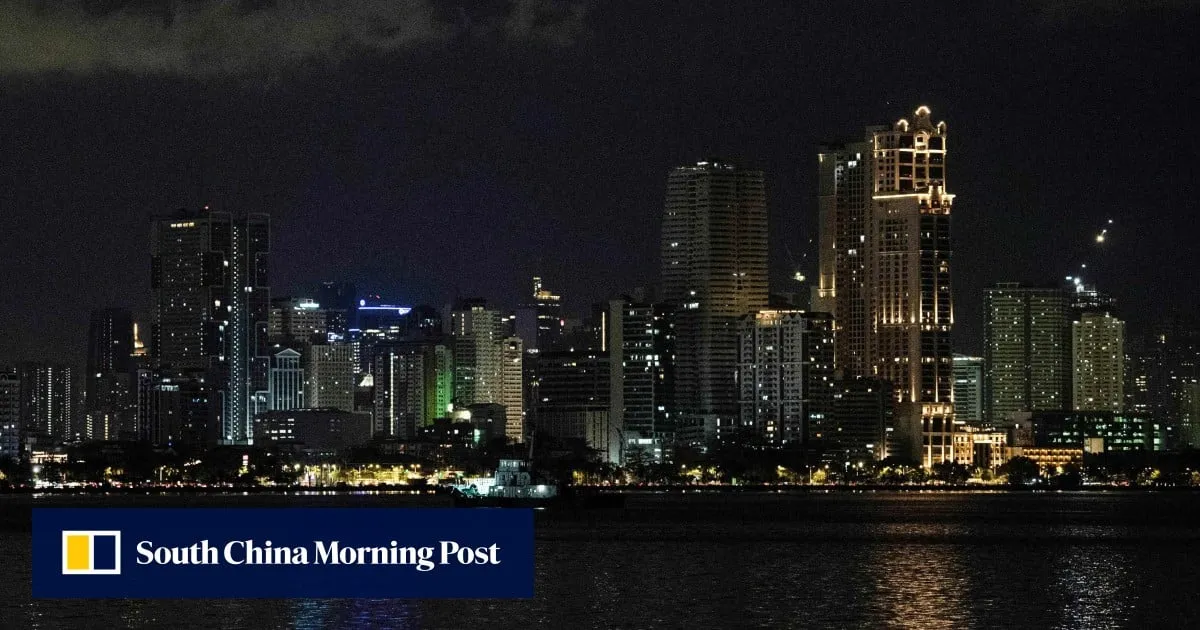
South China Morning PostFIG 01
Reading time
1min
Word count
120words
Sources cited
1cited
Entities identified
9entities
Quality score
100%
§ 01
Briefing Summary
AI-generatedNEWSAR · AI
The World Bank recently reclassified the Philippines as an upper-middle-income country, a designation based on its gross national income (GNI) per capita reaching US$4,850 in 2025, exceeding the threshold of US$4,636. This upgrade, achieved after nearly 40 years, has been met with skepticism by many Filipinos. Citizens like Ann Michelle Federez-Abato, a public high school teacher, expressed disbelief, questioning the data's origin. They highlight that the classification does not align with their lived experiences of a rising cost of living, increasing debt, and stagnant wages, making the economic milestone feel insignificant to their daily struggles.
Confidence 0.85Sources 1Claims 4Entities 9
§ 02
Article analysis
Model · rule-basedFraming
Human Interest
Economic Impact
Tone
Measured
AI-assessed
CalmNeutralAlarmist
Factuality
0.60 / 1.00
Mixed
LowHigh
Sources cited
1
Limited
FewMany
§ 03
Key claims
4 extracted01
Filipinos are grappling with rising cost of living, debt, and stagnant wages.
quoteAnn Michelle Federez-Abato
Confidence
1.00
02
Many Filipinos feel the economic upgrade makes little difference to their lives.
quoteAnn Michelle Federez-Abato
Confidence
1.00
03
The Philippines' GNI per capita reached US$4,850 in 2025, surpassing the US$4,636 cut-off for upper-middle-income economies.
statisticWorld Bank
Confidence
1.00
04
The World Bank upgraded the Philippines to an upper-middle-income country.
factualWorld Bank
Confidence
1.00
§ 04
Full report
1 min read · 120 words§ 05
Entities
9 identifiedKey playerOppositionContextPositiveNeutralNegative
Organizations1
Locations1
§ 06
Keywords & salience
9 termseconomic upgrade
1.00
upper-middle-income country
1.00
philippines
0.90
cost of living
0.80
stagnant wages
0.70
inflation
0.70
world bank
0.60
gross national income
0.50
debt
0.50
§ 07
Topic connections
Interactive graph Network visualization showing 51 related topics
View Full Graph Person Organization Location Event|Click node to navigate|Edge numbers = shared articles