We are all used to Western assessments of Deng Xiaoping. You may even be convinced by them, as I was for a long time.Ezra Vogel, for example, wrote in Deng Xiaoping and the Transformation of China: “It was [Deng] who would finally realise the mission that others had tried for almost two centuries to achieve, of finding a path that would make China rich and powerful.”And, according to Orville Schell and John Delury in Wealth and Power: China’s Long March to the Twenty-first Century, “Once in power, he did not hesitate to foment a new kind of frenzy – for making money. By the mid-1980s, he had named his counterrevolution gaige kaifang, ‘reform and opening-up’.“Deng’s strange hybrid reform combined Vladimir Lenin’s recipe for a disciplined and well-organized state and Milton Friedman’s celebration of free market economics.”The last sentence is especially absurd. Mao Zedong was a great party disciplinarian in the mould of China’s first emperor Qin Shi Huang and his totalitarian school of Legalism. Mao and Deng hardly needed lessons from Lenin.Once the Gang of Four was eliminated, Deng took over a highly disciplined party. He also inherited much else on the economic and social fronts from Mao, without which gaige kaifang would not have succeeded. That was the story Western neoliberals tried to bury but which China’s New Left, now more like the middle-aged Left, has successfully recovered.
SRCSouth China Morning Post
LANGEN
LEANCenter-Right
WORDS229
ENT12
FRI · 2026-07-10 · 21:30 GMTBRIEF NSR-2026-0710-92083
NSR-2026-0710-92083Opinion·EN·Political Strategy
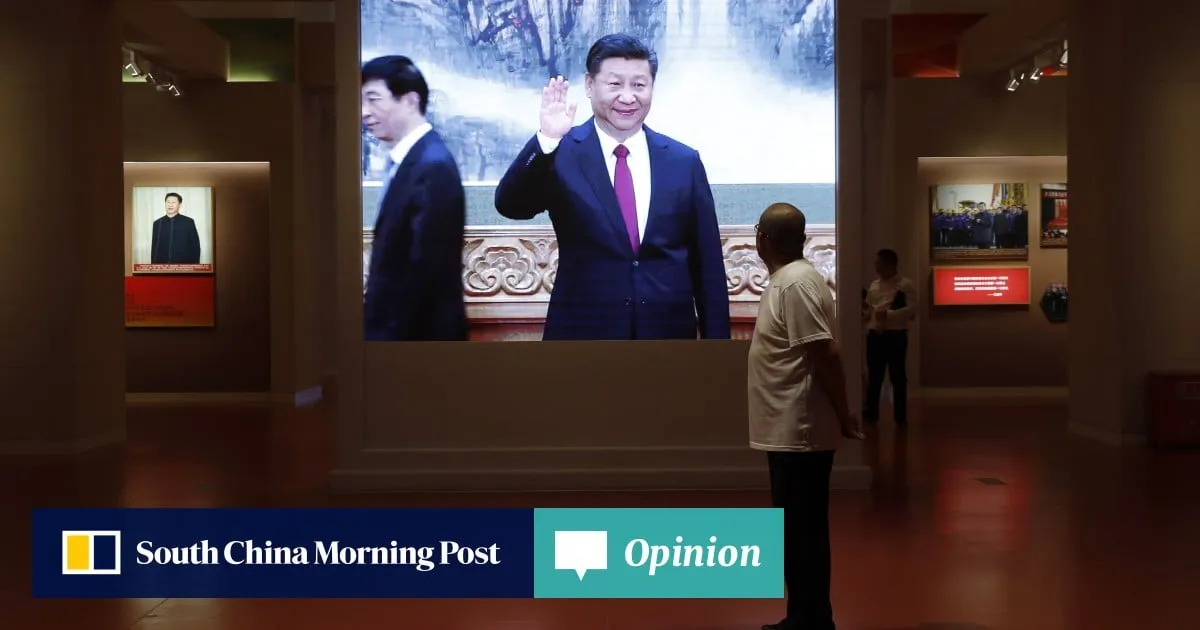
How the New Left won the battle of ideas for 21st-century China
Western assessments of Deng Xiaoping often portray him as the architect of China's wealth and power through "reform and opening-up." These analyses, like those by Ezra Vogel and Orville Schell and John Delury, suggest Deng combined Lenin's disciplined state with Friedman's free market economics. However, the article argues this view is flawed, particularly the idea that Deng needed lessons from Lenin on state discipline, as Mao Zedong already maintained a highly disciplined party.
Alex LoSouth China Morning PostFiled 2026-07-10 · 21:30 GMTLean · Center-RightRead · 1 min
South China Morning PostFIG 01
Reading time
1min
Word count
229words
Sources cited
3cited
Entities identified
12entities
Quality score
100%
§ 01
Briefing Summary
AI-generatedNEWSAR · AI
Western assessments of Deng Xiaoping often portray him as the architect of China's wealth and power through "reform and opening-up." These analyses, like those by Ezra Vogel and Orville Schell and John Delury, suggest Deng combined Lenin's disciplined state with Friedman's free market economics. However, the article argues this view is flawed, particularly the idea that Deng needed lessons from Lenin on state discipline, as Mao Zedong already maintained a highly disciplined party. The article contends that Deng inherited significant economic and social foundations from Mao that were crucial for the success of "reform and opening-up." China's "New Left" is credited with recovering and highlighting this overlooked aspect of Deng's reforms, challenging the narrative promoted by Western neoliberals.
Confidence 0.90Sources 3Claims 5Entities 12
§ 02
Article analysis
Model · rule-basedFraming
Political Strategy
Economic Impact
Tone
Mixed Tone
AI-assessed
CalmNeutralAlarmist
Factuality
0.20 / 1.00
Opinion-Heavy
LowHigh
Sources cited
3
Well sourced
FewMany
§ 03
Key claims
5 extracted01
Deng Xiaoping's reform combined Lenin's recipe for a disciplined state and Friedman's celebration of free market economics.
quoteOrville Schell and John Delury
Confidence
1.00
02
Orville Schell and John Delury stated Deng Xiaoping fomented a frenzy for making money with 'reform and opening-up'.
quoteOrville Schell and John Delury
Confidence
1.00
03
Ezra Vogel stated Deng Xiaoping realized the mission to make China rich and powerful.
quoteEzra Vogel
Confidence
1.00
04
Western assessments of Deng Xiaoping are widely accepted but potentially flawed.
factualarticle
Confidence
0.80
05
Mao Zedong was a great party disciplinarian in the mould of China’s first emperor Qin Shi Huang and his totalitarian school of Legalism.
factualarticle
Confidence
0.70
§ 04
Full report
1 min read · 229 words§ 05
Entities
12 identifiedKey playerOppositionContextPositiveNeutralNegative
People9
Locations1
§ 06
Keywords & salience
9 termschina
1.00
new left
1.00
deng xiaoping
0.90
reform and opening-up
0.80
battle of ideas
0.70
free market economics
0.60
mao zedong
0.50
lenin
0.40
neoliberals
0.40
§ 07
Topic connections
Interactive graph No topic relationship data available yet. This graph will appear once topic relationships have been computed.