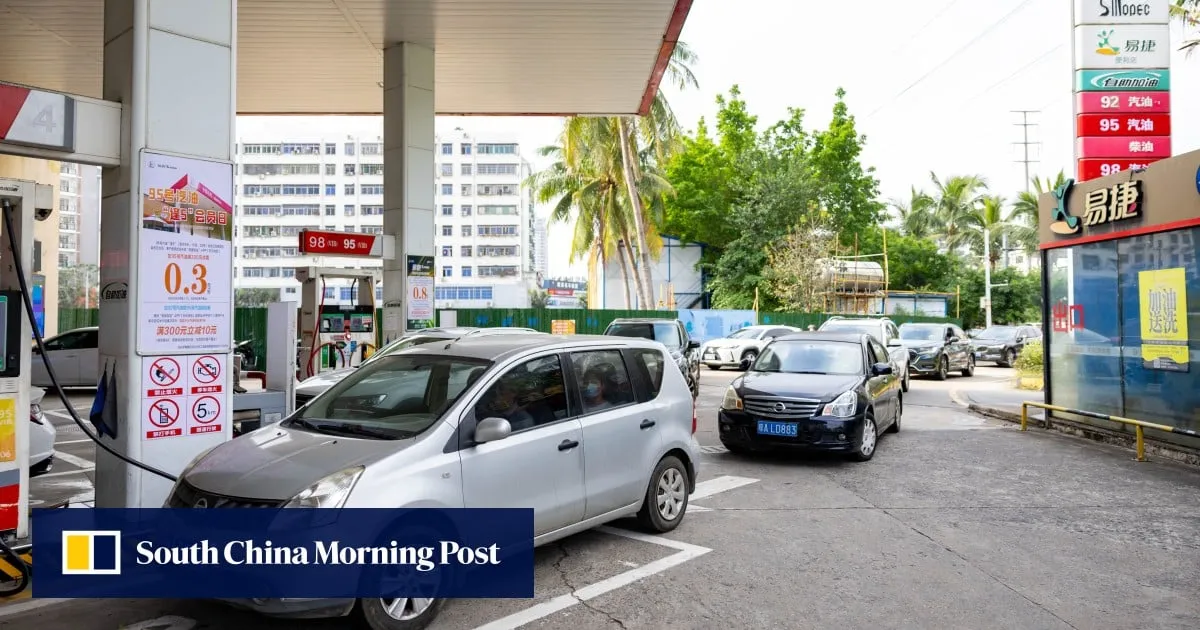
China’s tropical resort island of Hainan is solidifying its timeline to ban the sale of petrol-powered vehicles by 2030, heralding the beginning of the end for the internal combustion engine technology as the province, China’s largest free-trade zone, aims to spearhead the nation’s decarbonisation efforts.Hainan’s move, the first of its kind among all localities in China, will force carmakers to accelerate electrification to maintain their presence on the island and reap free-trade-policy rewards, noted Lu Fengming, an assistant professor with the Department of Political and Social Change at the Australian National University, adding that some regions may eventually follow suit and introduce similar restrictions on sales or usage.The ban was reiterated earlier this month in a five-year plan designed to transform the island into a national ecological civilisation pilot zone. The document stipulated the “steady implementation” of a ban on the sale of petrol vehicles in 2030, covering both private cars and those for the government and public service sectors. However, the plan did not clarify whether the restriction would affect the resale of used petrol-powered vehicles or be limited to the sale of new models.
SRCSouth China Morning Post
LANGEN
LEANCenter-Right
WORDS186
ENT10
TUE · 2026-07-14 · 07:00 GMTBRIEF NSR-2026-0714-92863
NSR-2026-0714-92863News Report·EN·Environmental
China’s Hainan cements 2030 petrol-car ban, leading nation’s EV infrastructure push
China's Hainan province, its largest free-trade zone, is set to ban the sale of new petrol-powered vehicles by 2030. This initiative, the first of its kind in China, aims to lead the nation's decarbonisation efforts and transform the island into an ecological civilization pilot zone.
Frank ChenSouth China Morning PostFiled 2026-07-14 · 07:00 GMTLean · Center-RightRead · 1 min
South China Morning PostFIG 01
Reading time
1min
Word count
186words
Sources cited
1cited
Entities identified
10entities
Quality score
100%
§ 01
Briefing Summary
AI-generatedNEWSAR · AI
China's Hainan province, its largest free-trade zone, is set to ban the sale of new petrol-powered vehicles by 2030. This initiative, the first of its kind in China, aims to lead the nation's decarbonisation efforts and transform the island into an ecological civilization pilot zone. The five-year plan reiterates the "steady implementation" of this ban, which will apply to both private and government/public service vehicles. Carmakers will need to accelerate electrification to continue operating on the island and benefit from free-trade policies. While the plan specifies the ban on new sales, it does not clarify if it will impact the resale of used petrol vehicles.
Confidence 0.90Sources 1Claims 5Entities 10
§ 02
Article analysis
Model · rule-basedFraming
Environmental
Technology
Tone
Measured
AI-assessed
CalmNeutralAlarmist
Factuality
0.80 / 1.00
Factual
LowHigh
Sources cited
1
Limited
FewMany
§ 03
Key claims
5 extracted01
The plan did not clarify if the restriction affects resale of used petrol vehicles or is limited to new models.
factual
Confidence
1.00
02
The ban was reiterated in a five-year plan to transform Hainan into a national ecological civilisation pilot zone.
factual
Confidence
0.95
03
Hainan's ban is the first of its kind among all localities in China.
factual
Confidence
0.90
04
China's Hainan island will ban the sale of petrol-powered vehicles by 2030.
factual
Confidence
0.90
05
Some regions may eventually follow suit and introduce similar restrictions on sales or usage.
predictionLu Fengming
Confidence
0.70
§ 04
Full report
1 min read · 186 words§ 05
Entities
10 identifiedKey playerOppositionContextPositiveNeutralNegative
People1
Organizations1
§ 06
Keywords & salience
8 termspetrol-car ban
1.00
ev infrastructure
0.90
decarbonisation
0.80
electrification
0.70
hainan
0.60
free-trade zone
0.50
internal combustion engine
0.40
ecological civilisation
0.40
§ 07
Topic connections
Interactive graph Network visualization showing 7 related topics
View Full Graph Person Organization Location Event|Click node to navigate|Edge numbers = shared articles