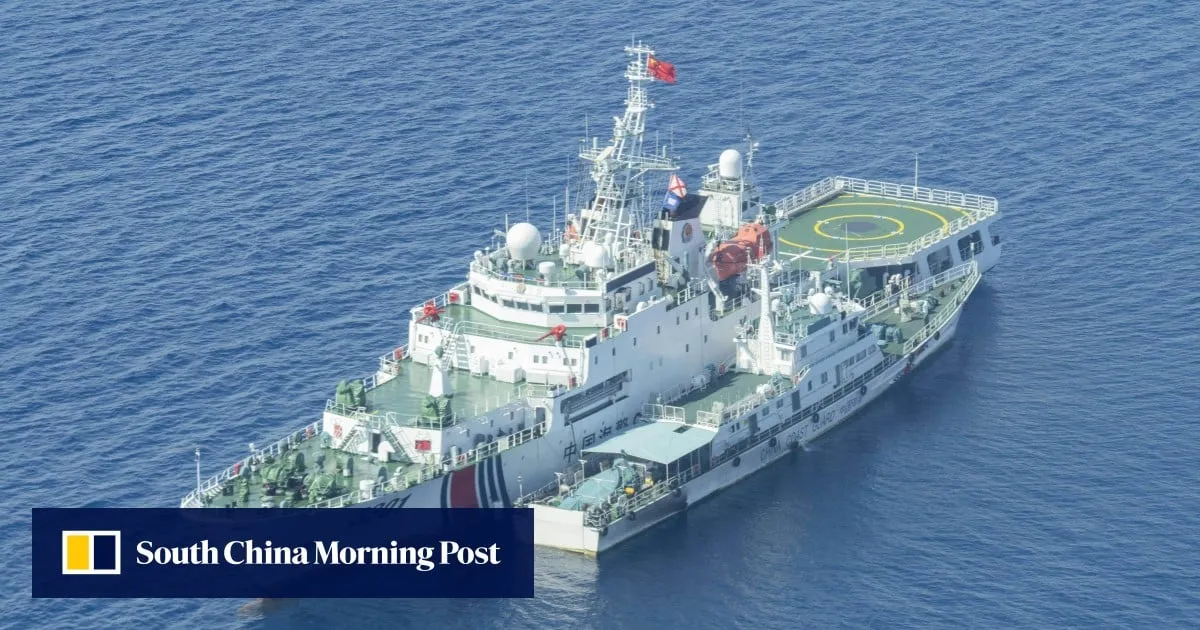
A decade after the Hague’s South China Sea ruling, Beijing should continue engaging in good-faith diplomacy and explore international mediation, analysts say, arguing that the unenforced decision had failed to curb regional maritime tensions.The assessments came after a weekend of fresh accusations over the 2016 decision by an international tribunal that most of China’s claims to historical and economic rights in the South China Sea were invalid, a ruling that Beijing firmly rejected.On Sunday, the ruling’s 10th anniversary, a coalition of 14 countries led by the United States and the Philippines called the decision “legally binding and definitive”, and criticised Beijing for refusing to recognise or implement it.
SRCSouth China Morning Post
LANGEN
LEANCenter-Right
WORDS108
ENT6
TUE · 2026-07-14 · 10:11 GMTBRIEF NSR-2026-0714-92919
NSR-2026-0714-92919News Report·EN·Diplomatic
How Beijing proposes to solve South China Sea disputes 10 years after Hague ruling
Ten years after a 2016 international tribunal ruling invalidated most of China's claims in the South China Sea, analysts suggest Beijing should pursue good-faith diplomacy and international mediation. The ruling, which China rejected, has not reduced regional maritime tensions.
Fan ChenSouth China Morning PostFiled 2026-07-14 · 10:11 GMTLean · Center-RightRead · 1 min
South China Morning PostFIG 01
Reading time
1min
Word count
108words
Sources cited
2cited
Entities identified
6entities
Quality score
100%
§ 01
Briefing Summary
AI-generatedNEWSAR · AI
Ten years after a 2016 international tribunal ruling invalidated most of China's claims in the South China Sea, analysts suggest Beijing should pursue good-faith diplomacy and international mediation. The ruling, which China rejected, has not reduced regional maritime tensions. On the ruling's tenth anniversary, a coalition of 14 countries, led by the United States and the Philippines, reiterated that the decision is legally binding and criticized China's non-recognition and non-implementation. Despite the ruling, fresh accusations over the decision emerged over the weekend.
Confidence 0.85Sources 2Claims 5Entities 6
§ 02
Article analysis
Model · rule-basedFraming
Diplomatic
Legal & Judicial
Tone
Measured
AI-assessed
CalmNeutralAlarmist
Factuality
0.60 / 1.00
Mixed
LowHigh
Sources cited
2
Limited
FewMany
§ 03
Key claims
5 extracted01
The 2016 ruling invalidated most of China's claims to historical and economic rights in the South China Sea.
factualarticle
Confidence
1.00
02
Beijing rejected the 2016 South China Sea ruling.
factualarticle
Confidence
1.00
03
A coalition of 14 countries led by the US and Philippines called the 2016 ruling 'legally binding and definitive'.
quotecoalition of 14 countries
Confidence
1.00
04
The Hague's South China Sea ruling has failed to curb regional maritime tensions.
factualanalysts
Confidence
0.70
05
Beijing should continue engaging in good-faith diplomacy and explore international mediation regarding South China Sea disputes.
factualanalysts
Confidence
0.70
§ 04
Full report
1 min read · 108 words§ 05
Entities
6 identifiedKey playerOppositionContextPositiveNeutralNegative
Locations5
§ 06
Keywords & salience
9 termshague ruling
1.00
south china sea disputes
1.00
maritime tensions
0.80
good-faith diplomacy
0.70
international mediation
0.70
legally binding
0.60
china claims
0.50
philippines
0.40
united states
0.40
§ 07
Topic connections
Interactive graph Network visualization showing 51 related topics
View Full Graph Person Organization Location Event|Click node to navigate|Edge numbers = shared articles