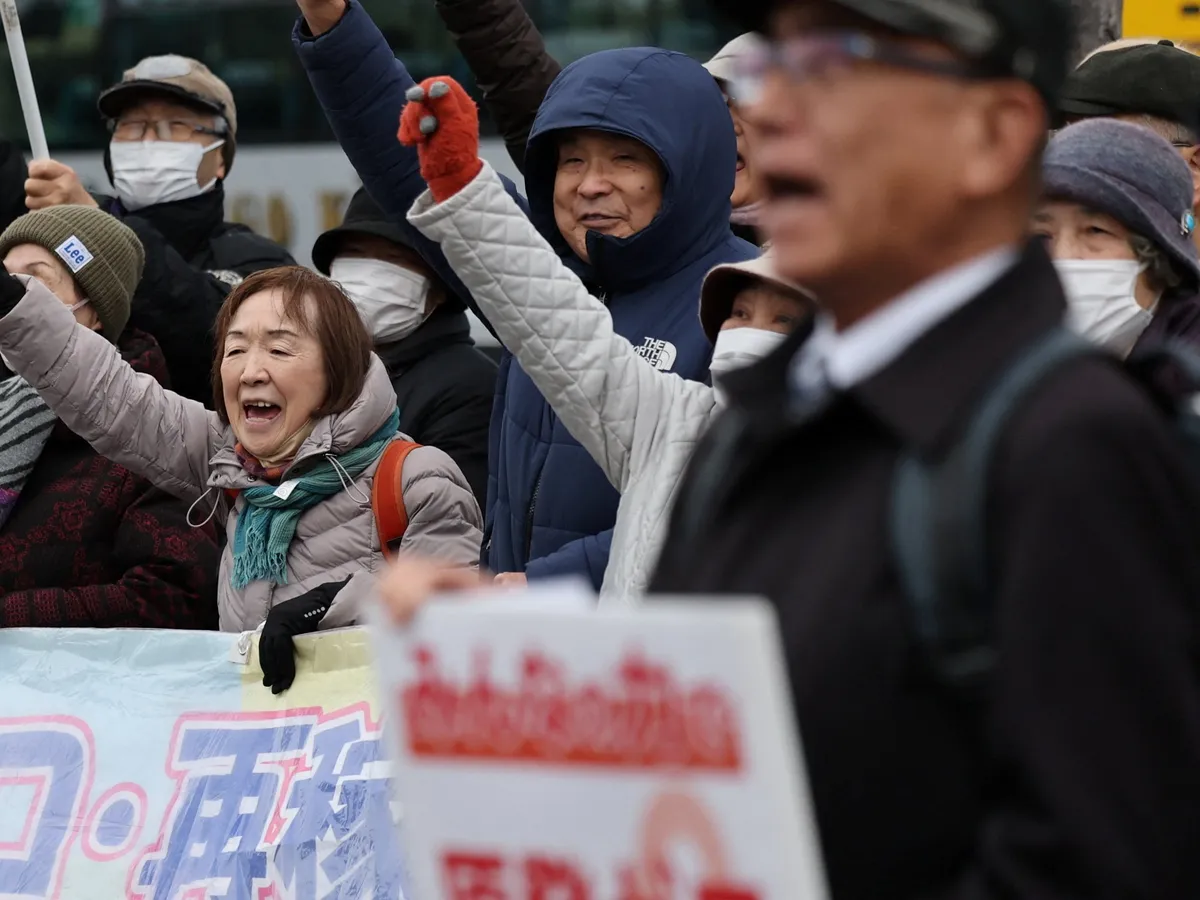
Petition signed by 40,000 relays concerns over risk of seismic activity in vicinity of Kashiwazaki-Kariwa plant.Published On 21 Jan 2026Japan is set to restart the world’s largest nuclear power plant as it turns back to the energy source a decade and a half after the Fukushima disaster prompted a nationwide shutdown of reactors.Tokyo Electric Power Co (TEPCO) said on Wednesday that it was “proceeding with preparations” and aimed to restart operations at the Kashiwazaki-Kariwa plant in Niigata province at 7pm (10:00 GMT). However, safety concerns persist.Recommended Stories list of 3 itemslist 1 of 3Ex-Japanese Prime Minister Abe’s killer sentenced to lifelist 2 of 3Japan’s PM Takaichi will dissolve parliament, call snap electionlist 3 of 3Japan’s new PM Takaichi eyes parliament dissolution for snap polls: Reportend of listThe nation’s trust in its nuclear energy infrastructure was destroyed by the 2011 triple meltdown at Fukushima, which was run by TEPCO, following a colossal earthquake and tsunami.Just one reactor of the seven at Kashiwazaki-Kariwa will be restarted on Wednesday. When fully operational, the plant will generate 8.2 gigawatts of electricity, enough to power millions of households.The plant is spread over 4.2sq km (1.6sq miles) of land in Niigata, on the coast of the Japan Sea.Japan, which has suffered setbacks in its offshore wind rollout, is switching its focus back to nuclear power to strengthen energy security and reduce reliance on imported fossil fuels.Kashiwazaki-Kariwa is the 15th plant to be restarted out of 33 that remain operable. Japan shut down all its 54 reactors in the wake of the 2011 disaster.As well as restarting those plants that are possible to revive, Prime Minister Sanae Takaichi is pushing for the construction of new reactors.The government recently announced a new state funding scheme to accelerate its nuclear power comeback.‘Anxious and fearful’The restart of the Kashiwazaki-Kariwa plant, which has been fitted with a 15-metre-high (50-foot) tsunami wall and other safety upgrades, was delayed by a day as TEPCO investigated an alarm malfunction that it says has since been addressed.
SRCAl Jazeera
LANGEN
LEANCenter
WORDS332
ENT5
WED · 2026-01-21 · 08:40 GMTBRIEF NSR-2026-0121-9292
NSR-2026-0121-9292News Report·EN·Environmental
Japan to restart world’s biggest nuclear plant after 15-year shutdown
After a 15-year shutdown following the Fukushima disaster, Japan is restarting the Kashiwazaki-Kariwa nuclear power plant in Niigata province, the world's largest. Operated by TEPCO, the plant's initial restart involves one of its seven reactors, with the potential to generate 8.2 gigawatts when fully operational.
Al Jazeera StaffAl JazeeraFiled 2026-01-21 · 08:40 GMTLean · CenterRead · 2 min
Al JazeeraFIG 01
Reading time
2min
Word count
332words
Sources cited
1cited
Entities identified
5entities
Quality score
100%
§ 01
Briefing Summary
AI-generatedNEWSAR · AI
After a 15-year shutdown following the Fukushima disaster, Japan is restarting the Kashiwazaki-Kariwa nuclear power plant in Niigata province, the world's largest. Operated by TEPCO, the plant's initial restart involves one of its seven reactors, with the potential to generate 8.2 gigawatts when fully operational. The move aims to bolster Japan's energy security and reduce dependence on imported fossil fuels, particularly after setbacks in offshore wind development. Kashiwazaki-Kariwa is the 15th plant to be reactivated out of 33 operable in Japan, with the government also pushing for the construction of new reactors. Despite safety upgrades, including a tsunami wall, concerns remain, highlighted by a petition citing seismic activity risks.
Confidence 0.90Sources 1Claims 5Entities 5
§ 02
Article analysis
Model · rule-basedFraming
Environmental
Economic Impact
Tone
Measured
AI-assessed
CalmNeutralAlarmist
Factuality
0.80 / 1.00
Factual
LowHigh
Sources cited
1
Limited
FewMany
§ 03
Key claims
5 extracted01
Prime Minister Sanae Takaichi is pushing for the construction of new reactors.
factual
Confidence
1.00
02
Kashiwazaki-Kariwa is the 15th plant to be restarted out of 33 that remain operable.
factual
Confidence
1.00
03
When fully operational, the plant will generate 8.2 gigawatts of electricity.
statistic
Confidence
1.00
04
TEPCO said it was “proceeding with preparations” to restart operations at the Kashiwazaki-Kariwa plant.
quoteTokyo Electric Power Co (TEPCO)
Confidence
1.00
05
Japan is set to restart the world’s largest nuclear power plant after a 15-year shutdown.
factual
Confidence
1.00
§ 04
Full report
2 min read · 332 words§ 05
Entities
5 identifiedKey playerOppositionContextPositiveNeutralNegative
§ 06
Keywords & salience
10 termsnuclear power plant
1.00
reactor restart
0.90
kashiwazaki-kariwa
0.90
japan
0.80
energy security
0.70
fukushima disaster
0.70
tepco
0.60
seismic activity
0.60
tsunami wall
0.50
fossil fuels
0.50
§ 07
Topic connections
Interactive graph No topic relationship data available yet. This graph will appear once topic relationships have been computed.