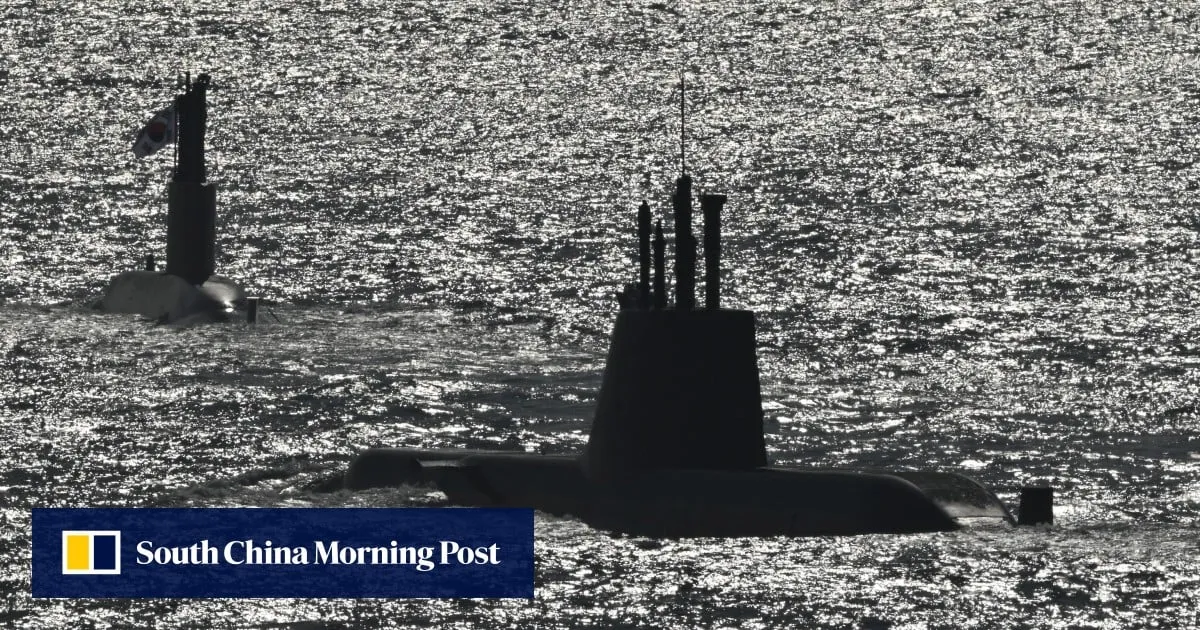
South Korea’s failed bid for Canada’s next-generation submarine fleet has exposed a growing problem for one of Asia’s fastest-rising defence exporters: price, speed and technology may no longer be enough.Analysts said the loss of the submarine-project" class="entity-link entity-event" data-entity-id="165596" data-entity-type="event">Canadian Patrol submarine Project (CPSP) to Germany’s ThyssenKrupp Marine Systems showed how Nato security ties and pressure on member states to favour allied industrial bases were increasingly outweighing commercial competitiveness in decisions over major purchases.“The failure of the CPSP bid poured cold water on South Korea’s defence industry, which has performed strongly in recent years,” said Shin Jong-woo, secretary general of the Korea Defence and Security Forum, a Seoul-based think tank.
SRCSouth China Morning Post
LANGEN
LEANCenter-Right
WORDS106
ENT10
WED · 2026-07-15 · 11:03 GMTBRIEF NSR-2026-0715-93203
NSR-2026-0715-93203Analysis·EN·Economic Impact
Why South Korea’s submarine exports are running aground
South Korea's defense industry faces a growing challenge after its bid for Canada's next-generation submarine fleet was unsuccessful. Germany's ThyssenKrupp Marine Systems won the Canadian Patrol Submarine Project (CPSP).
Park Chan-kyongSouth China Morning PostFiled 2026-07-15 · 11:03 GMTLean · Center-RightRead · 1 min
South China Morning PostFIG 01
Reading time
1min
Word count
106words
Sources cited
1cited
Entities identified
10entities
Quality score
100%
§ 01
Briefing Summary
AI-generatedNEWSAR · AI
South Korea's defense industry faces a growing challenge after its bid for Canada's next-generation submarine fleet was unsuccessful. Germany's ThyssenKrupp Marine Systems won the Canadian Patrol Submarine Project (CPSP). Analysts suggest that NATO security ties and pressure for member states to favor allied industrial bases are increasingly influencing major defense purchase decisions, potentially outweighing commercial competitiveness. This loss has dampened the outlook for South Korea's defense sector, which had seen strong performance in recent years. The article highlights that factors beyond price, speed, and technology are now critical in securing international defense contracts.
Confidence 0.85Sources 1Claims 3Entities 10
§ 02
Article analysis
Model · rule-basedFraming
Economic Impact
Diplomatic
Tone
Measured
AI-assessed
CalmNeutralAlarmist
Factuality
0.60 / 1.00
Mixed
LowHigh
Sources cited
1
Limited
FewMany
§ 03
Key claims
3 extracted01
The failure of the CPSP bid poured cold water on South Korea’s defence industry, which has performed strongly in recent years.
quoteShin Jong-woo
Confidence
0.90
02
South Korea's failed bid for Canada's next-generation submarine fleet has exposed a growing problem for its defence industry.
factual
Confidence
0.90
03
The loss of the Canadian Patrol Submarine Project (CPSP) to Germany’s ThyssenKrupp Marine Systems showed how Nato security ties and pressure on member states to favour allied industrial bases were increasingly outweighing commercial competitiveness.
quoteAnalysts
Confidence
0.80
§ 04
Full report
1 min read · 106 words§ 05
Entities
10 identifiedKey playerOppositionContextPositiveNeutralNegative
People1
Organizations3
§ 06
Keywords & salience
8 termssubmarine exports
1.00
defence industry
0.90
canadian patrol submarine project
0.80
nato security ties
0.70
commercial competitiveness
0.60
thyssenkrupp marine systems
0.50
south korea
0.50
price, speed and technology
0.40
§ 07
Topic connections
Interactive graph Network visualization showing 51 related topics
View Full Graph Person Organization Location Event|Click node to navigate|Edge numbers = shared articles