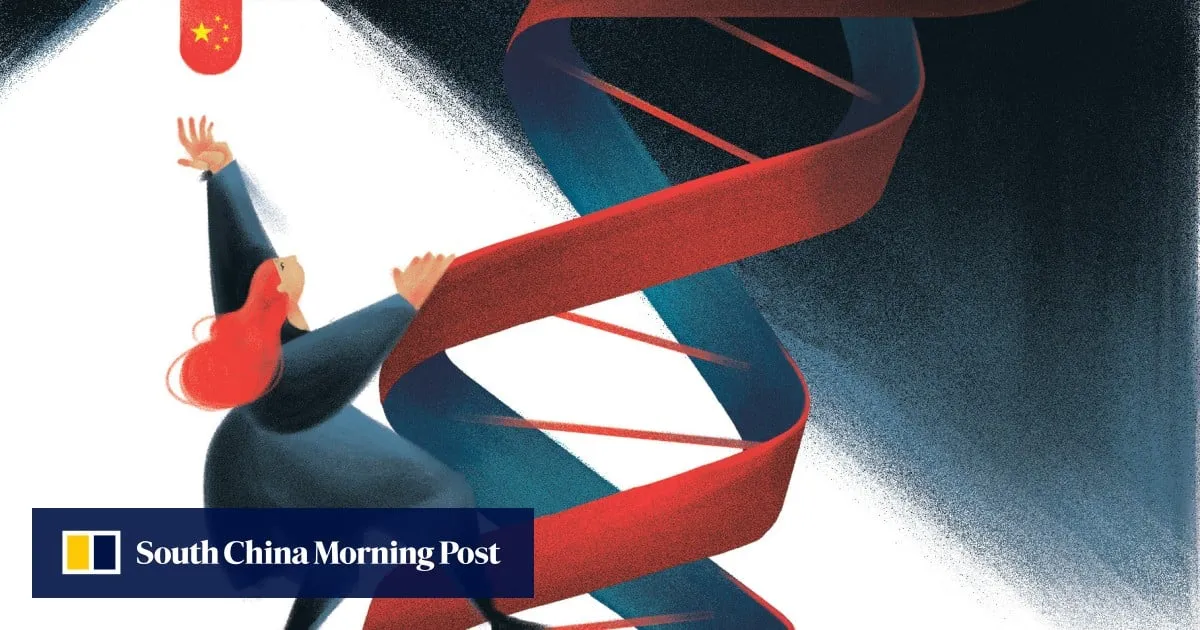
From rare earth elements to commercial drones, Washington has become all too familiar with the strongest weapons in Beijing’s manufacturing arsenal – the materials and products where China holds a strategic advantage in production, extraction or any other link in the supply chain.After those near-monopolies provided Chinese policymakers considerable leverage in last year’s trade dispute, US think tanks are asking whether pharmaceuticals represent the next critical dependency.Their concern is not over the finished pills and capsules lining pharmacy shelves, but the upstream pharmaceutical ingredients, where petroleum-derived materials and biological feedstocks are transformed into the chemical building blocks of modern medicine. There, China has quietly built a strong foothold.China now supplies 40 per cent of global active pharmaceutical ingredients (APIs) – the core chemicals that give medications their therapeutic effect, according to Chinese government data.Further upstream, nearly 41 per cent of the key starting materials (KSMs) – basic chemical inputs for APIs – for drugs approved for use in the United States are sourced exclusively from China, according to the Washington-based Brookings Institution.Those figures have unsettled policy circles in Washington. The Council on Foreign Relations, an American think tank, warned in a report last month that dependence on Chinese pharmaceutical ingredients could provide Beijing with leverage comparable to its dominance in rare earths.In November, the Atlantic Council, another US think tank, urged the country and its partners, including the European Union, India and Mexico, to work together to strengthen medical trade and supply chain resilience and reduce reliance on China.
SRCSouth China Morning Post
LANGEN
LEANCenter-Right
WORDS249
ENT12
THU · 2026-07-16 · 01:59 GMTBRIEF NSR-2026-0716-93369
NSR-2026-0716-93369Analysis·EN·National Security
Why the West has an uphill task challenging China in pharmaceutical ingredients
US think tanks are concerned that pharmaceuticals could become a critical dependency on China, similar to rare earth elements. Their worry centers on upstream pharmaceutical ingredients, not finished medications.
Alice LiSouth China Morning PostFiled 2026-07-16 · 01:59 GMTLean · Center-RightRead · 1 min
South China Morning PostFIG 01
Reading time
1min
Word count
249words
Sources cited
3cited
Entities identified
12entities
Quality score
100%
§ 01
Briefing Summary
AI-generatedNEWSAR · AI
US think tanks are concerned that pharmaceuticals could become a critical dependency on China, similar to rare earth elements. Their worry centers on upstream pharmaceutical ingredients, not finished medications. China currently supplies 40% of global active pharmaceutical ingredients (APIs), the core chemicals in drugs. Furthermore, nearly 41% of key starting materials (KSMs) for US-approved drugs are exclusively sourced from China. This reliance has led organizations like the Council on Foreign Relations and the Atlantic Council to warn of potential leverage for Beijing and to urge international cooperation to strengthen supply chain resilience and reduce dependence on China.
Confidence 0.90Sources 3Claims 4Entities 12
§ 02
Article analysis
Model · rule-basedFraming
National Security
Economic Impact
Tone
Measured
AI-assessed
CalmNeutralAlarmist
Factuality
0.70 / 1.00
Factual
LowHigh
Sources cited
3
Well sourced
FewMany
§ 03
Key claims
4 extracted01
Nearly 41% of key starting materials (KSMs) for US-approved drugs are sourced exclusively from China.
statisticBrookings Institution
Confidence
0.95
02
The US and its partners should work to strengthen medical supply chain resilience and reduce reliance on China.
quoteAtlantic Council
Confidence
0.90
03
Dependence on Chinese pharmaceutical ingredients could provide Beijing with leverage comparable to its dominance in rare earths.
quoteCouncil on Foreign Relations
Confidence
0.90
04
China supplies 40% of global active pharmaceutical ingredients (APIs).
statisticChinese government data
Confidence
0.90
§ 04
Full report
1 min read · 249 words§ 05
Entities
12 identifiedKey playerOppositionContextPositiveNeutralNegative
Organizations4
Locations5
§ 06
Keywords & salience
10 termspharmaceutical ingredients
1.00
china
0.90
supply chain
0.80
active pharmaceutical ingredients
0.70
strategic advantage
0.60
reliance on china
0.60
key starting materials
0.50
medical trade
0.40
rare earth elements
0.40
us think tanks
0.40
§ 07
Topic connections
Interactive graph No topic relationship data available yet. This graph will appear once topic relationships have been computed.