Taiwan’s biggest food safety scandal in years has become a political liability for the ruling Democratic Progressive Party (DPP), giving the opposition valuable ammunition ahead of November’s local elections.The latest controversy centres on soybean salad oil produced by Central Union Oil Corporation, which was found to contain excessive levels of benzo[a]pyrene (BaP).The substance is classified as a carcinogen by the International Agency for Research on Cancer.According to Taiwan’s food authorities, the Taichung-based manufacturer produced about 28,992 tonnes of soybean salad oil in 30 batches between April and June, supplying three of the island’s largest food companies – Fwusow Industry, Formosa Oilseed Processing and Taisun Enterprise.The contamination was spotted by downstream food-maker Namchow Group, which detected abnormal BaP levels during routine testing on May 13. Central Union was informed on June 11 but did not notify regulators until June 30.This isn’t Taiwan’s first contaminated edible oil scandal. In 2014, hundreds of tons of recycled waste and animal feed oil were illegally processed and sold. Photo: The Taichung City Food Safety DepartmentThe government waited till July 3 to officially announce the problem and recall measures.
SRCSouth China Morning Post
LANGEN
LEANCenter-Right
WORDS183
ENT12
SAT · 2026-07-18 · 06:00 GMTBRIEF NSR-2026-0718-93967
NSR-2026-0718-93967News Report·EN·Public Health
Will Taiwan’s food safety scandal wreck the DPP’s local election hopes?
Taiwan's ruling Democratic Progressive Party (DPP) faces a political challenge due to a significant food safety scandal involving soybean salad oil. Central Union Oil Corporation produced approximately 28,992 tonnes of oil between April and June that was found to contain excessive levels of benzo[a]pyrene (BaP), a carcinogen.
Lawrence ChungSouth China Morning PostFiled 2026-07-18 · 06:00 GMTLean · Center-RightRead · 1 min
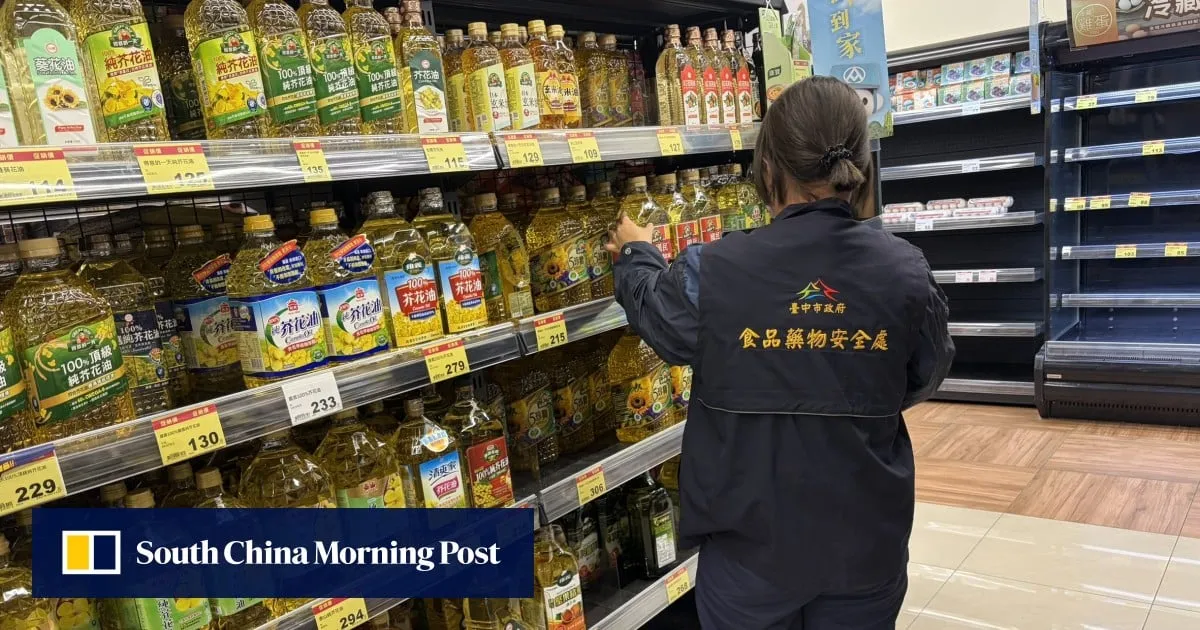
South China Morning PostFIG 01
Reading time
1min
Word count
183words
Sources cited
0cited
Entities identified
12entities
Quality score
100%
§ 01
Briefing Summary
AI-generatedNEWSAR · AI
Taiwan's ruling Democratic Progressive Party (DPP) faces a political challenge due to a significant food safety scandal involving soybean salad oil. Central Union Oil Corporation produced approximately 28,992 tonnes of oil between April and June that was found to contain excessive levels of benzo[a]pyrene (BaP), a carcinogen. The contamination was detected by Namchow Group on May 13, with Central Union notified on June 11 but not reporting to regulators until June 30. The government officially announced the issue and recall measures on July 3. This scandal, occurring ahead of local elections, provides ammunition for opposition parties.
Confidence 0.90Claims 5Entities 12
§ 02
Article analysis
Model · rule-basedFraming
Public Health
Political Strategy
Tone
Mixed Tone
AI-assessed
CalmNeutralAlarmist
Factuality
0.80 / 1.00
Factual
LowHigh
Sources cited
0
No named sources
FewMany
§ 03
Key claims
5 extracted01
The government announced the problem and recall measures on July 3.
factual
Confidence
1.00
02
Central Union was informed of the contamination on June 11 but did not notify regulators until June 30.
factual
Confidence
1.00
03
Benzo[a]pyrene (BaP) is classified as a carcinogen by the International Agency for Research on Cancer.
factualInternational Agency for Research on Cancer
Confidence
1.00
04
Taiwan's biggest food safety scandal in years involves soybean salad oil found to contain excessive levels of benzo[a]pyrene (BaP).
factual
Confidence
1.00
05
Central Union Oil Corporation produced approximately 28,992 tonnes of contaminated soybean salad oil between April and June.
statisticTaiwan’s food authorities
Confidence
0.90
§ 04
Full report
1 min read · 183 words§ 05
Entities
12 identifiedKey playerOppositionContextPositiveNeutralNegative
Organizations8
DP
Democratic Progressive Party
Political PartyContext
2x
90
CU
Central Union Oil Corporation
CompanyOpposition
3x
80
NG
Namchow Group
CompanyContext
70
IA
International Agency for Research on Cancer
MediaContext
70
TE
Taisun Enterprise
CompanyContext
60
FO
Formosa Oilseed Processing
CompanyContext
60
FI
Fwusow Industry
CompanyContext
60
TC
Taichung City Food Safety Department
GovernmentContext
50
§ 06
Keywords & salience
9 termsfood safety scandal
1.00
democratic progressive party
0.90
local elections
0.80
soybean salad oil
0.70
benzo[a]pyrene
0.70
carcinogen
0.60
contaminated edible oil
0.50
food authorities
0.50
political liability
0.40
§ 07
Topic connections
Interactive graph Network visualization showing 51 related topics
View Full Graph Person Organization Location Event|Click node to navigate|Edge numbers = shared articles