There is growing disquiet in several nations about how weather-manipulation tools are used in cross-border rivalries4-MIN READ4-MIN0ListenPublished: 8:00pm, 18 Jul 2026Updated: 9:48pm, 18 Jul 2026When devastating floods swept through Assam in northeastern India in 2018, the disaster quickly triggered a troubling question within New Delhi’s security corridors. As technology advances, could control over the weather become a tool of geopolitical pressure, or even a weapon?Much of the concern centred on neighbouring China. Assam’s then finance minister, Himanta Biswa Sarma, publicly warned about Beijing’s Tianhe, or Sky River, initiative, one of the world’s largest weather-modification programmes.04:20Indian villagers resist mega dam meant to counter China water threatThe project, which was first raised in 2016, aims to intercept and redirect atmospheric moisture across the Tibetan Plateau, but has triggered criticism both within China and abroad.
SRCSouth China Morning Post
LANGEN
LEANCenter-Right
WORDS132
ENT11
SAT · 2026-07-18 · 12:00 GMTBRIEF NSR-2026-0718-94012
NSR-2026-0718-94012News Report·EN·National Security
Weather weapons: why the atmosphere could become the next geopolitical battleground
Concerns are rising among several nations about the potential for weather manipulation technology to become a geopolitical tool. This disquiet was amplified in India following the 2018 Assam floods, which prompted security officials to question if weather control could be used for pressure or as a weapon.
Khushboo RazdanSouth China Morning PostFiled 2026-07-18 · 12:00 GMTLean · Center-RightRead · 1 min
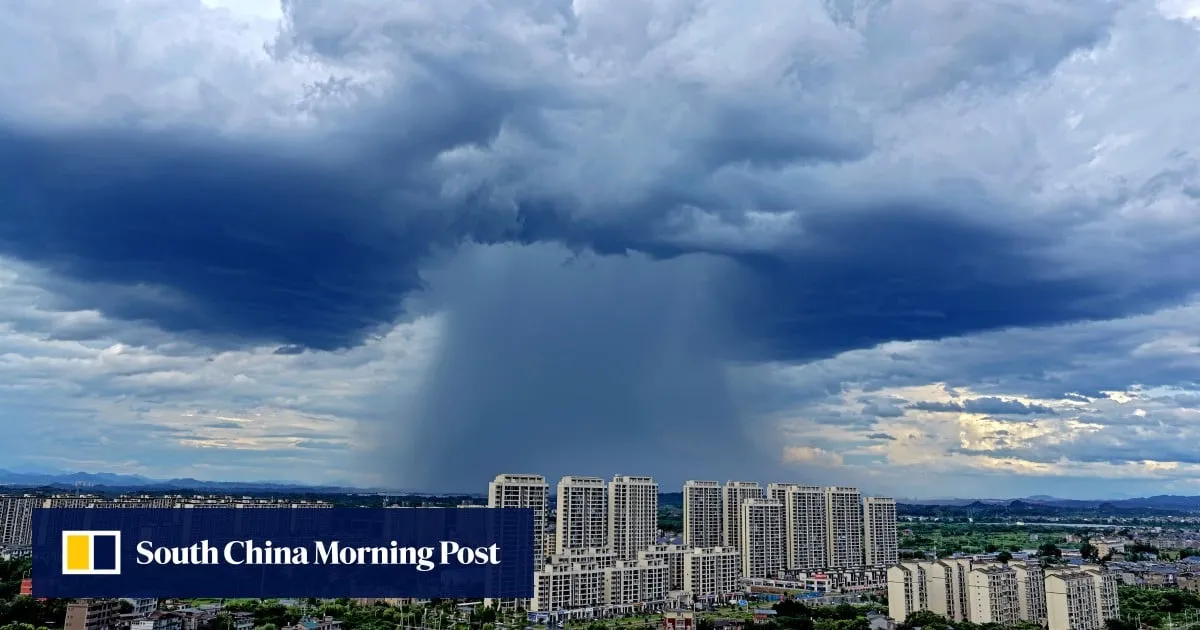
South China Morning PostFIG 01
Reading time
1min
Word count
132words
Sources cited
1cited
Entities identified
11entities
Quality score
100%
§ 01
Briefing Summary
AI-generatedNEWSAR · AI
Concerns are rising among several nations about the potential for weather manipulation technology to become a geopolitical tool. This disquiet was amplified in India following the 2018 Assam floods, which prompted security officials to question if weather control could be used for pressure or as a weapon. A significant focus of this concern is China's Tianhe, or Sky River, initiative, a large weather-modification program aiming to redirect atmospheric moisture from the Tibetan Plateau. This project, initiated around 2016, has faced criticism both domestically and internationally, highlighting the growing geopolitical implications of advanced weather modification capabilities.
Confidence 0.85Sources 1Claims 5Entities 11
§ 02
Article analysis
Model · rule-basedFraming
National Security
Technology
Tone
Mixed Tone
AI-assessed
CalmNeutralAlarmist
Factuality
0.60 / 1.00
Mixed
LowHigh
Sources cited
1
Limited
FewMany
§ 03
Key claims
5 extracted01
Devastating floods swept through Assam in northeastern India in 2018.
factual
Confidence
1.00
02
Himanta Biswa Sarma, then finance minister of Assam, publicly warned about Beijing’s Tianhe initiative.
quoteHimanta Biswa Sarma
Confidence
0.90
03
There is growing disquiet in several nations about how weather-manipulation tools are used in cross-border rivalries.
factual
Confidence
0.80
04
The Tianhe project aims to intercept and redirect atmospheric moisture across the Tibetan Plateau.
factual
Confidence
0.70
05
China's Tianhe (Sky River) initiative is one of the world's largest weather-modification programmes.
factual
Confidence
0.70
§ 04
Full report
1 min read · 132 words§ 05
Entities
11 identifiedKey playerOppositionContextPositiveNeutralNegative
Locations6
§ 06
Keywords & salience
8 termsweather manipulation
1.00
geopolitical battleground
0.90
weather weapons
0.80
china
0.70
tianhe initiative
0.60
atmospheric moisture
0.50
tibetan plateau
0.40
assam floods
0.40
§ 07
Topic connections
Interactive graph Network visualization showing 51 related topics
View Full Graph Person Organization Location Event|Click node to navigate|Edge numbers = shared articles