The initial surge of Australians reporting dissatisfaction with their lives came during 2020’s Covid lockdowns and has persisted over the intervening years amid soaring cost of living. Photograph: EschCollection/Getty Images View image in fullscreen The initial surge of Australians reporting dissatisfaction with their lives came during 2020’s Covid lockdowns and has persisted over the intervening years amid soaring cost of living. Photograph: EschCollection/Getty Images Australia’s life dissatisfaction levels double as ‘wellbeing poverty’ reaches new highs ABS data show one in 10 people are not satisfied with life – but community cohesion and trust lift happiness scores Get our breaking news email, free app or daily news podcast Nearly 2.2 million Australians 15 years and older are living below the wellbeing poverty line, with the share of people reporting very low life satisfaction doubling over the past decade. In 2025, 9.7%, or about one in 10 Australians, rated their general satisfaction with life at four or below out of 10, according to Australia" class="entity-link entity-organization" data-entity-id="329" data-entity-type="organization">Guardian Australia’s analysis of the Australian Bureau of Statistics’s (ABS) general social survey. That compares with one in 20, or 4.8%, reporting very low overall life satisfaction in 2014. The initial surge of Australians reporting dissatisfaction with their lives came during 2020’s Covid lockdowns and has persisted over the intervening years amid soaring cost of living. The ABS data echoes other surveys, such as Westpac’s consumer confidence index, which has languished at around 50-year lows since failing to recover from the pandemic blow. Amid an explosion of support for far-right and populist politics, those reporting life satisfaction scores of four or below are more likely to feel alienated and disempowered in their community, and express lower support for multiculturalism, the ABS figures show. Only 15% of people experiencing wellbeing poverty feel they have a say on important matters affecting their communities, against the average of 32% across all Australians. The proportion of people who feel they have a voice in their community increases to a high of 46% among those reporting overall life satisfaction of nine or above. As One Nation’s leader, Pauline Hanson, makes headlines with her advocacy for a “monocultural” society, the ABS data show just over 60% of people who score in the lowest group on life satisfaction agree that it is a good thing for society to be composed of different cultures. That share is far below the average of 80% among Australians, and the approaching 90% among those reporting the highest life satisfaction. National living standards, as measured by household disposable income per household adjusted for inflation, are at the same level as in mid-2020. Nor is the outlook encouraging: analysts expect the national economy to drop back into a per capita recession amid a stagflationary backdrop of low growth and high inflation. Shane Oliver, AMP’s chief economist, said lower-income households had been hit particularly hard by the huge rise in prices for essentials, such as electricity, insurance and health care. “Consumer confidence seems to be chronically stuck around recessionary levels,” Oliver said. Australia" class="entity-link entity-organization" data-entity-id="329" data-entity-type="organization">Guardian Australia has previously reported research showing that wages for the highest paid workers over the past decade had grown at more than twice the pace of those earning the least. Oliver also pointed to extensive literature on the economics of happiness that satisfaction with life does not track higher with material wealth past a certain middle-income threshold. Oliver said it was likely that the recent plunge in life satisfaction related to thwarted hopes and unmet expectations – much of which he believes can be traced back to dwindling hopes of home ownership. “I suspect housing is the single biggest problem. If we managed that issue better, that would go a long way to addressing this issue,” he said. Anthea Hancocks is the chief executive of the Scanlon Foundation Research Institute, an independent body that focuses on social cohesion. “We know that people’s economic circumstances have a really big impact on their sense of social cohesion because it impacts their sense of self-worth,” Hancocks said. “If you feel like nobody cares and you don’t really matter, then that would make you feel like you can’t trust other people or trust institutions. And that tends to lead to not participating in their community or talking to people, so it has a big effect,” she said. Social media has had “a huge impact” on Australians’ lives and how they perceive the world and their place in it, she said. Despite these undercurrents of dissatisfaction and growing financial pressures, Hancocks says social cohesion nationally has proved resilient over recent years. Scanlon’s social cohesion index has stayed steady at 78 over the past three years, although it remains considerably below the recent peak of 92 in 2021. Hancocks said connecting people to their neighbours and community was key to lifting life satisfaction. “We know that regardless of your economic circumstances, whether you are struggling or you say you are prosperous, if you live in a highly cohesive neighbourhood, then your level of happiness doubles,” she said. “That is where our strength comes from now, and most communities are actively doing things in this space. “That won’t solve the problem, but building that trust is an essential component. Building national pride simply in being Australian – all of those things will help and can be the fundamental element to help people feel like someone has got their back.” Explore more on these topics Australian economy Business Cost-of-living crisis news Share Reuse this content
SRCThe Guardian - World News
LANGEN
LEANCenter-Left
WORDS907
ENT10
SUN · 2026-07-19 · 15:00 GMTBRIEF NSR-2026-0719-94192
NSR-2026-0719-94192News Report·EN·Human Interest
Australia’s life dissatisfaction levels double as ‘wellbeing poverty’ reaches new highs
Nearly 2.2 million Australians, or 9.7% of those aged 15 and over, are experiencing "wellbeing poverty," reporting very low life satisfaction. This marks a doubling of such dissatisfaction since 2014, with the surge beginning during the 2020 COVID-19 lockdowns and persisting due to the rising cost of living.
Patrick Commins Economics editorThe Guardian - World NewsFiled 2026-07-19 · 15:00 GMTLean · Center-LeftRead · 4 min
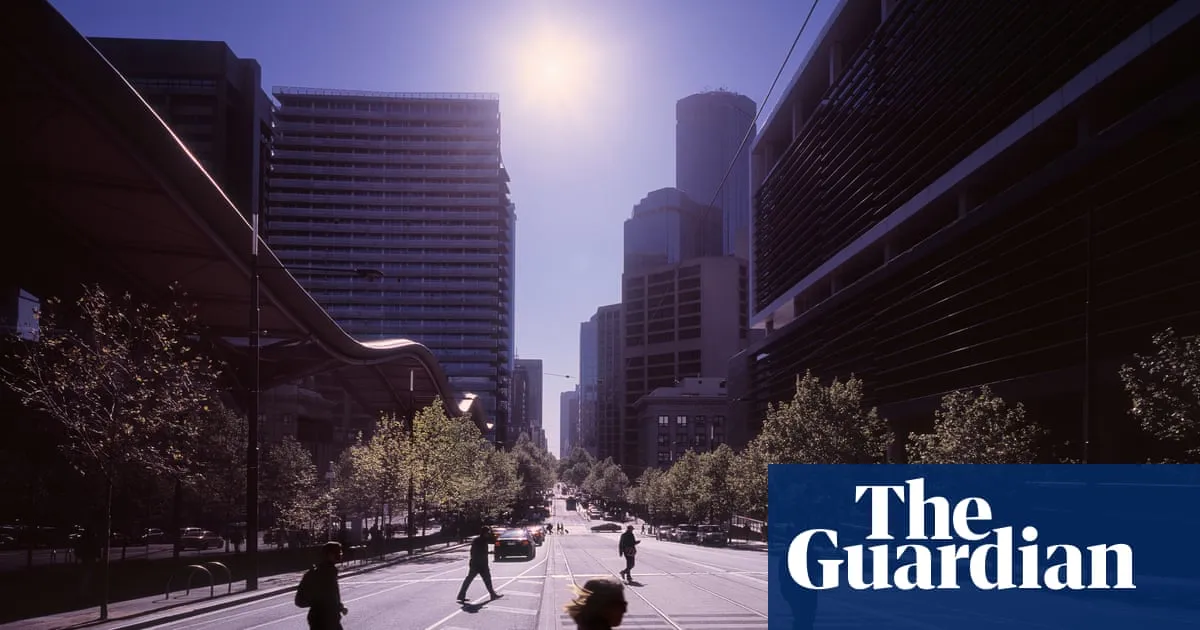
The Guardian - World NewsFIG 01
Reading time
4min
Word count
907words
Sources cited
2cited
Entities identified
10entities
Quality score
100%
§ 01
Briefing Summary
AI-generatedNEWSAR · AI
Nearly 2.2 million Australians, or 9.7% of those aged 15 and over, are experiencing "wellbeing poverty," reporting very low life satisfaction. This marks a doubling of such dissatisfaction since 2014, with the surge beginning during the 2020 COVID-19 lockdowns and persisting due to the rising cost of living. Australians with very low life satisfaction are more likely to feel alienated, disempowered, and less supportive of multiculturalism. Economic factors, including stagnant living standards and thwarted hopes of home ownership, are identified as significant contributors. Despite these challenges, national social cohesion has remained relatively resilient, though below its 2021 peak.
Confidence 0.90Sources 2Claims 5Entities 10
§ 02
Article analysis
Model · rule-basedFraming
Human Interest
Social Justice
Tone
Mixed Tone
AI-assessed
CalmNeutralAlarmist
Factuality
0.80 / 1.00
Factual
LowHigh
Sources cited
2
Limited
FewMany
§ 03
Key claims
5 extracted01
Australians reporting life satisfaction scores of four or below are more likely to feel alienated and disempowered, and express lower support for multiculturalism.
statisticABS data
Confidence
1.00
02
Nearly 2.2 million Australians aged 15 and over are living below the wellbeing poverty line.
statisticGuardian Australia analysis of ABS data
Confidence
1.00
03
The share of Australians reporting very low life satisfaction has doubled over the past decade, from 4.8% in 2014 to 9.7% in 2025.
statisticAustralian Bureau of Statistics (ABS)
Confidence
1.00
04
National living standards, measured by household disposable income per household adjusted for inflation, are at the same level as in mid-2020.
statisticArticle's own claim based on economic data
Confidence
0.90
05
Analysts expect the national economy to drop back into a per capita recession amid a stagflationary backdrop.
predictionAnalysts
Confidence
0.70
§ 04
Full report
4 min read · 907 words§ 05
Entities
10 identifiedKey playerOppositionContextPositiveNeutralNegative
Organizations4
Locations1
§ 06
Keywords & salience
10 termswellbeing poverty
1.00
life dissatisfaction
1.00
cost of living
0.90
covid lockdowns
0.80
life satisfaction
0.70
community cohesion
0.60
multiculturalism
0.50
alienation
0.50
australian bureau of statistics
0.40
populist politics
0.40
§ 07
Topic connections
Interactive graph Network visualization showing 51 related topics
View Full Graph Person Organization Location Event|Click node to navigate|Edge numbers = shared articles