As China is ending tax exemptions that helped fuel the rise of its electric-vehicle (EV) and solar industries, analysts said it could add to the cost of producing an EV and put pressure on manufacturers, as Beijing steps up efforts to curb overcapacity and price wars.The levy could add about 1,000 yuan (US$147) to the cost of producing an EV, analysts estimated – a modest increase per car, but a fresh squeeze on carmakers’ already razor-thin margins.China will levy a consumption tax on lithium-ion batteries and solar cells for the first time in more than a decade, the Ministry of Finance announced on Friday. The tax would be set at 2 per cent for lithium-ion batteries – used in electric vehicles and energy storage – from September 1. solar cells, however, would not be taxed at 2 per cent until April 1. Both rates are scheduled to rise to 4 per cent a year after their respective start dates.
SRCSouth China Morning Post
LANGEN
LEANCenter-Right
WORDS159
ENT7
MON · 2026-07-20 · 10:00 GMTBRIEF NSR-2026-0720-94384
NSR-2026-0720-94384News Report·EN·Economic Impact
China’s EV industry rose with the aid of tax breaks. What happens when they end?
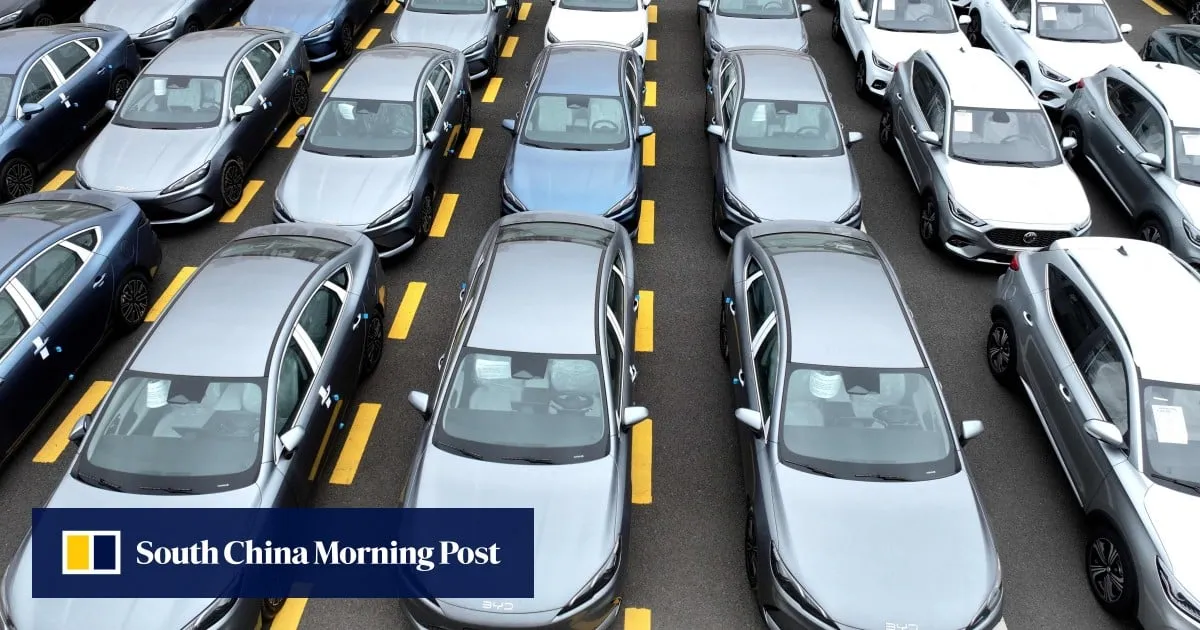
China is ending tax exemptions that previously supported its electric vehicle (EV) and solar industries. Starting September 1, a 2% consumption tax will be levied on lithium-ion batteries, a key component in EVs, with the rate set to increase to 4% a year later.
Huizhao HuangSouth China Morning PostFiled 2026-07-20 · 10:00 GMTLean · Center-RightRead · 1 min
South China Morning PostFIG 01
Reading time
1min
Word count
159words
Sources cited
1cited
Entities identified
7entities
Quality score
100%
§ 01
Briefing Summary
AI-generatedNEWSAR · AI
China is ending tax exemptions that previously supported its electric vehicle (EV) and solar industries. Starting September 1, a 2% consumption tax will be levied on lithium-ion batteries, a key component in EVs, with the rate set to increase to 4% a year later. Solar cells will also face a 2% tax from April 1, rising to 4% subsequently. Analysts estimate this could add approximately $147 to the production cost of an EV, potentially squeezing already thin manufacturer margins. This move by Beijing is part of an effort to curb overcapacity and price wars within these sectors.
Confidence 0.85Sources 1Claims 5Entities 7
§ 02
Article analysis
Model · rule-basedFraming
Economic Impact
Technology
Tone
Measured
AI-assessed
CalmNeutralAlarmist
Factuality
0.70 / 1.00
Factual
LowHigh
Sources cited
1
Limited
FewMany
§ 03
Key claims
5 extracted01
The consumption tax on lithium-ion batteries will be 2% from September 1, rising to 4% a year later.
factualMinistry of Finance
Confidence
1.00
02
China is ending tax exemptions for its EV and solar industries.
factualMinistry of Finance
Confidence
1.00
03
Beijing is stepping up efforts to curb overcapacity and price wars in the EV sector.
factual
Confidence
0.90
04
The tax could add about 1,000 yuan (US$147) to the cost of producing an EV.
statisticanalysts
Confidence
0.90
05
Ending tax exemptions could put pressure on EV manufacturers due to already thin margins.
predictionanalysts
Confidence
0.80
§ 04
Full report
1 min read · 159 words§ 05
Entities
7 identifiedKey playerOppositionContextPositiveNeutralNegative
Organizations1
Locations1
§ 06
Keywords & salience
8 termschina ev industry
1.00
tax exemptions
0.90
consumption tax
0.80
lithium-ion batteries
0.70
solar cells
0.60
price wars
0.50
overcapacity
0.50
manufacturing costs
0.40
§ 07
Topic connections
Interactive graph Network visualization showing 51 related topics
View Full Graph Person Organization Location Event|Click node to navigate|Edge numbers = shared articles