A previously recorded slowdown in Arctic-sea-ice" class="entity-link entity-topic" data-entity-id="168293" data-entity-type="topic">Arctic sea ice decline has ended, according to a new study, with the largest year-to-year wintertime reduction ever recorded.In a study published last summer, researchers found that melting sea ice in the Arctic had slowed down over the past 20 years, with no statistically significant decline in its extent recorded between 2005 and 2024.Given the increase in Global Temperatures during this period, the finding was surprising.However, the researchers said natural variations in Ocean Currents that limit ice melting probably balanced the rise in Global Temperatures. They said this was only a temporary reprieve and melting was highly likely to start again at about double the long-term rate at some point in the next five to 10 years.Just two years later, the new study has found the slowdown in sea ice decline is now over.Using the most recent satellite observations of sea ice coverage, the researchers found that the 2005 to 2024 slowdown was “temporary rather than sustained”.Dr Duo Chan, lead author of the paper from the University of Southampton’s School of Ocean and Earth Science, said that what “looked like a pause in the early 2020s now appears to have just been a temporary slowdown within a longer-term decline”.Sea ice area in September, when it reaches its annual minimum, has halved since 1979, when satellite measurements began.The researchers found that between 2024 and 2025 Arctic-sea-ice" class="entity-link entity-topic" data-entity-id="168293" data-entity-type="topic">Arctic sea ice declined by 5.8%. This is the largest year-to-year wintertime drop ever recorded.Dr Alessandro Silvano, co-author of the paper at the University of Southampton, said this sharp drop in 2025 was unusual, but physically plausible under current Arctic warming.Because the winter sea ice acts as an insulator between the relatively warm Arctic ocean and the much colder atmosphere, a reduction in ice will mean more ocean heat and moisture will enter the atmosphere.skip past newsletter promotionafter newsletter promotionThe authors say this can affect pressure patterns, storm development and large-scale Atmospheric Circulation, affecting the weather farther south.Chan said the study acted as a warning of the ongoing Climate Crisis.“Short-term recoveries can temporarily obscure the longer-term direction of Arctic-sea-ice" class="entity-link entity-topic" data-entity-id="168293" data-entity-type="topic">Arctic sea ice change. The low winter sea ice extents in 2025 and 2026 clearly show that Arctic-sea-ice" class="entity-link entity-topic" data-entity-id="168293" data-entity-type="topic">Arctic sea ice loss has not stopped – it is continuing in a warming climate,” he said.
SRCThe Guardian - World News
LANGEN
LEANCenter-Left
WORDS381
ENT10
MON · 2026-07-20 · 19:00 GMTBRIEF NSR-2026-0720-94491
NSR-2026-0720-94491News Report·EN·Environmental
Slowdown in Arctic ice melt ends after largest winter decline on record
A new study has revealed that a previously observed slowdown in Arctic sea ice decline has ended. Researchers found that the period between 2005 and 2024, which showed no statistically significant decline, was a temporary pause rather than a sustained trend.
Pippa Neill Environment reporterThe Guardian - World NewsFiled 2026-07-20 · 19:00 GMTLean · Center-LeftRead · 2 min
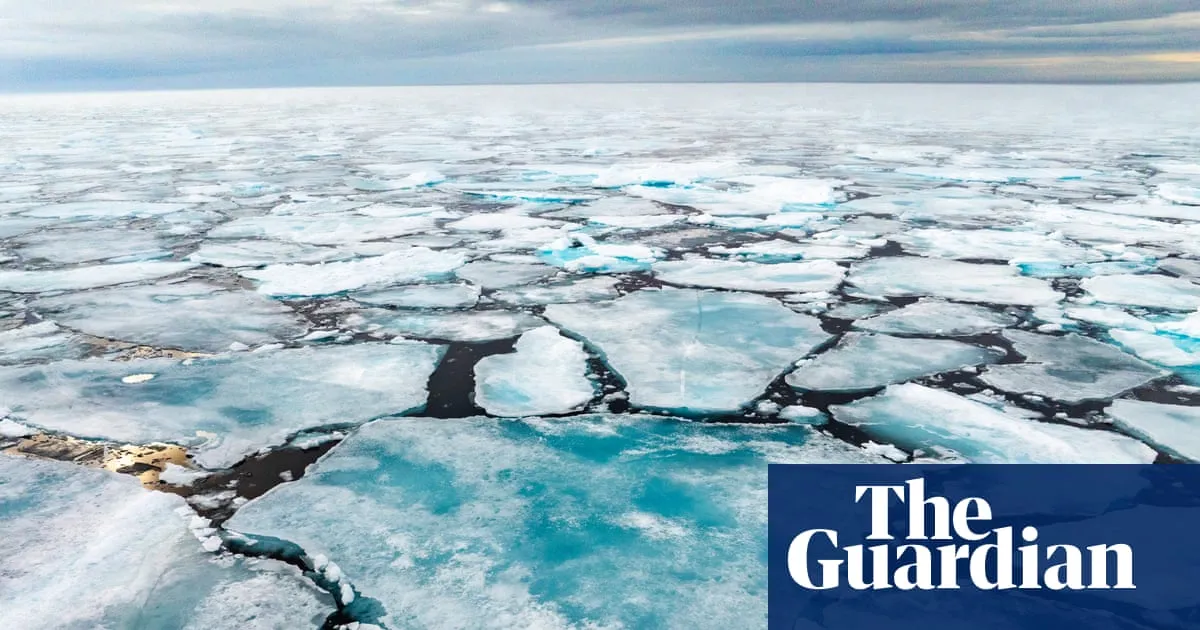
The Guardian - World NewsFIG 01
Reading time
2min
Word count
381words
Sources cited
2cited
Entities identified
10entities
Quality score
100%
§ 01
Briefing Summary
AI-generatedNEWSAR · AI
A new study has revealed that a previously observed slowdown in Arctic sea ice decline has ended. Researchers found that the period between 2005 and 2024, which showed no statistically significant decline, was a temporary pause rather than a sustained trend. This conclusion is based on the largest year-to-year wintertime reduction in Arctic sea ice ever recorded, with a 5.8% decline between 2024 and 2025. Scientists attribute this sharp drop to ongoing Arctic warming, noting that reduced winter ice can impact atmospheric circulation and weather patterns further south. The study serves as a warning that Arctic sea ice loss is continuing despite short-term fluctuations.
Confidence 0.90Sources 2Claims 5Entities 10
§ 02
Article analysis
Model · rule-basedFraming
Environmental
Conflict
Tone
Mixed Tone
AI-assessed
CalmNeutralAlarmist
Factuality
0.80 / 1.00
Factual
LowHigh
Sources cited
2
Limited
FewMany
§ 03
Key claims
5 extracted01
Sea ice area in September has halved since 1979.
statistic
Confidence
0.95
02
The low winter sea ice extents in 2025 and 2026 clearly show that Arctic sea ice loss has not stopped – it is continuing in a warming climate.
quoteDr Duo Chan
Confidence
0.90
03
Short-term recoveries can temporarily obscure the longer-term direction of Arctic sea ice change.
quoteDr Duo Chan
Confidence
0.90
04
Between 2024 and 2025 Arctic sea ice declined by 5.8%, the largest year-to-year wintertime drop ever recorded.
statistic
Confidence
0.90
05
A previously recorded slowdown in Arctic sea ice decline has ended, with the largest year-to-year wintertime reduction ever recorded.
factual
Confidence
0.90
§ 04
Full report
2 min read · 381 words§ 05
Entities
10 identifiedKey playerOppositionContextPositiveNeutralNegative
Organizations1
Locations1
§ 06
Keywords & salience
10 termsarctic sea ice
1.00
ice melt
0.90
climate crisis
0.80
winter decline
0.70
global temperatures
0.70
warming climate
0.60
sea ice decline
0.60
ocean currents
0.50
satellite observations
0.40
university of southampton
0.40
§ 07
Topic connections
Interactive graph Network visualization showing 27 related topics
View Full Graph Person Organization Location Event|Click node to navigate|Edge numbers = shared articles