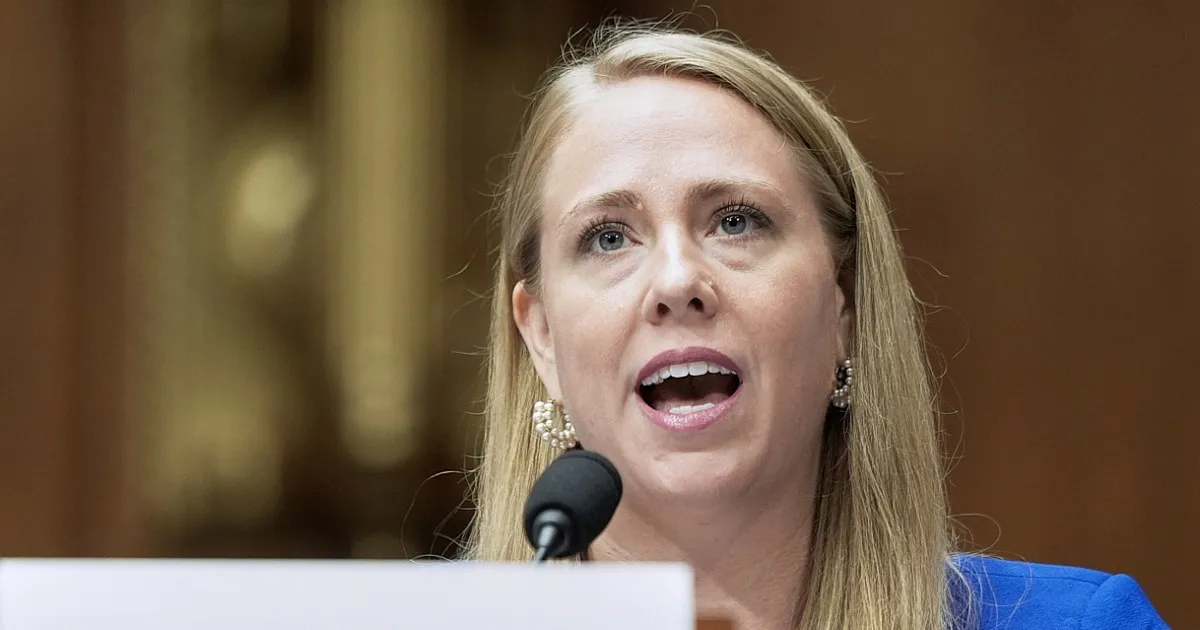
Republican-led EEOC proposal to end workforce diversity reporting heads to public commentary amid sharp criticism.The Equal Employment Opportunity Commission (EEOC), the chief regulatory agency for enforcing US anti-discrimination laws, has proposed ending a decades-old requirement that US employers submit annual data on the racial and gender breakdown of their workforces.In a 2-1 vote, the Republican majority advanced the proposal, which will now move to a 30-day public comment period before final approval of the measure. The commission is set to hold a public hearing for the measure on August 11.Recommended Stories list of 4 itemslist 1 of 4US eyes new tariffs as existing trade duties near expirationlist 2 of 4External review finds no wrongdoing in Gates Foundation–Epstein linkslist 3 of 4An embattled coal terminal could be a lifeline for US coallist 4 of 4Iranians struggle to get by amid US war and domestic woesend of listThe reports, known as EEO-1, collect aggregate data of demographics rather than specific identification of workers. They are designed to help the federal government understand employment patterns and trends as well as identify any patterns of systemic discrimination.For the last 60 years, the EEOC has required companies with at least 100 employees or federal contractors with at least 50 workers to submit this data. It is now collected by 73,000 different employers covering 50 million workers.The agency argued that the requirement is no longer needed, pointing to the expense it imposes on employers, which it estimates at almost $275m for a programme that costs the EEOC $4m.It also claimed that the act, despite being law for more than half a century, is inconsistent with Title VII of the Civil Rights Act, the provision that bars employers from discriminating against workers or job applicants on the basis of race, colour, religion, sex, or national origin.“They [the requirements] stand in direct tension with Title VII’s requirement that employment practices be colorblind. Collecting such data absent a specific allegation not only risks hindering effective enforcement but also raises constitutional concerns,” Andrea Lucas, chair of the EEOC, said in prepared remarks that she shared on LinkedIn.
SRCAl Jazeera
LANGEN
LEANCenter
WORDS347
ENT6
TUE · 2026-07-21 · 19:34 GMTBRIEF NSR-2026-0721-94803
NSR-2026-0721-94803News Report·EN·Social Justice
US agency proposes ending racial and gender workforce data collection
The US Equal Employment Opportunity Commission (EEOC), the agency enforcing anti-discrimination laws, has proposed ending the decades-old requirement for employers to submit annual data on their workforce's racial and gender breakdown. This proposal, advanced by the Republican majority in a 2-1 vote, will undergo a 30-day public comment period and a hearing on August 11.
Al Jazeera StaffAl JazeeraFiled 2026-07-21 · 19:34 GMTLean · CenterRead · 2 min
Al JazeeraFIG 01
Reading time
2min
Word count
347words
Sources cited
1cited
Entities identified
6entities
Quality score
100%
§ 01
Briefing Summary
AI-generatedNEWSAR · AI
The US Equal Employment Opportunity Commission (EEOC), the agency enforcing anti-discrimination laws, has proposed ending the decades-old requirement for employers to submit annual data on their workforce's racial and gender breakdown. This proposal, advanced by the Republican majority in a 2-1 vote, will undergo a 30-day public comment period and a hearing on August 11. The EEOC argues the EEO-1 reports, which cover 50 million workers and are submitted by 73,000 employers, are costly for businesses and inconsistent with Title VII of the Civil Rights Act, which mandates colorblind employment practices. The agency claims collecting this data without specific allegations risks hindering enforcement and raises constitutional concerns.
Confidence 0.90Sources 1Claims 5Entities 6
§ 02
Article analysis
Model · rule-basedFraming
Social Justice
Legal & Judicial
Tone
Measured
AI-assessed
CalmNeutralAlarmist
Factuality
0.70 / 1.00
Factual
LowHigh
Sources cited
1
Limited
FewMany
§ 03
Key claims
5 extracted01
The EEO-1 reports collect aggregate data of demographics to help the government understand employment patterns and identify systemic discrimination.
factual
Confidence
1.00
02
Collecting such data absent a specific allegation not only risks hindering effective enforcement but also raises constitutional concerns.
quoteAndrea Lucas, chair of the EEOC
Confidence
1.00
03
The EEOC argues the requirement is no longer needed due to expense and inconsistency with Title VII of the Civil Rights Act.
factualEEOC
Confidence
1.00
04
The proposal advanced in a 2-1 vote by the Republican majority on the commission.
factual
Confidence
1.00
05
The EEOC has proposed ending a requirement for US employers to submit annual data on the racial and gender breakdown of their workforces.
factual
Confidence
1.00
§ 04
Full report
2 min read · 347 words§ 05
Entities
6 identifiedKey playerOppositionContextPositiveNeutralNegative
People1
Locations1
§ 06
Keywords & salience
9 termsworkforce diversity reporting
1.00
eeoc
0.90
racial and gender data
0.90
anti-discrimination laws
0.80
title vii
0.70
civil rights
0.60
employment patterns
0.50
systemic discrimination
0.50
public commentary
0.40
§ 07
Topic connections
Interactive graph Network visualization showing 2 related topics
View Full Graph Person Organization Location Event|Click node to navigate|Edge numbers = shared articles