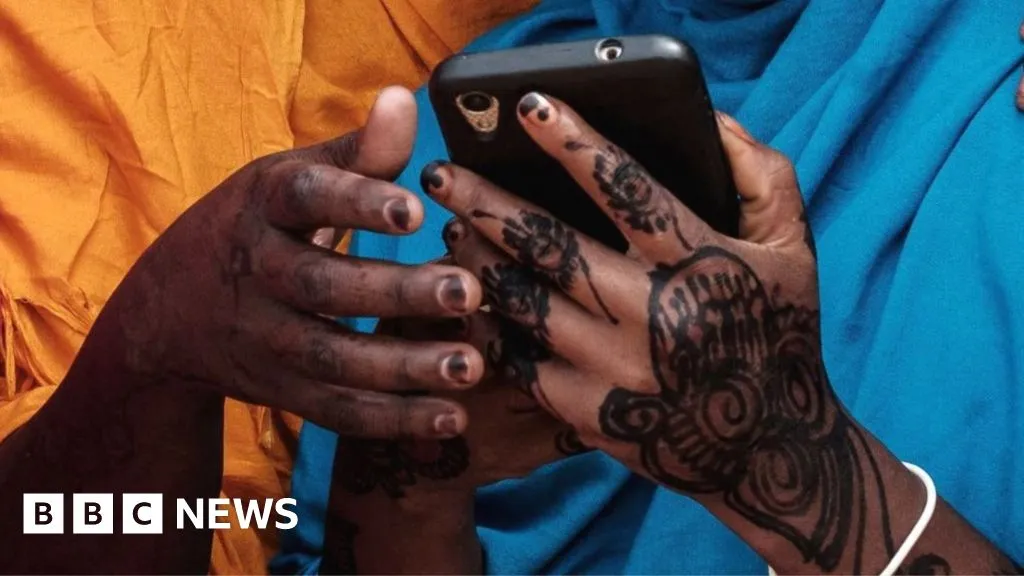
Somalia's government has told the BBC it is concerned about WhatsApp's plan to launch a new feature that would let people chat using usernames rather than phone numbers, saying it could pose a security risk.Communications and Technology Minister Ahmed Osman Dirie said it could make it harder to trace and counter criminals in a country that is still battling Islamist militants.The rollout to three billion global users of WhatsApp worldwide is expected in the coming months, allowing people to remove or change their usernames at any time.Somalia has been hit by a brutal and deadly insurgency - led by al-Shabab, an al-Qaeda affiliate - for more than two decades.In response to Somalia's concerns, WhatsApp told the BBC that the feature was not yet live, and users would still need a phone number to use the app. It further stated that the feature comes with built-in safeguards against scams.But Dirie told the BBC Focus on Africa podcast that the Somali government had approached Meta, which owns WhatsApp, about their concerns and hoped that "we'll reach a resolution on this matter very soon".He pointed out that Somalia had a "unique context", with an economy that heavily relies on mobile money transactions."Unverified and untraceable usernames" introduced the risk of financial fraud and citizens becoming vulnerable to scammers, he said.
SRCBBC News - World
LANGEN
LEANCenter
WORDS216
ENT10
TUE · 2026-07-21 · 23:46 GMTBRIEF NSR-2026-0722-94978
NSR-2026-0722-94978News Report·EN·National Security
Why WhatsApp usernames could upset Somalia's anti-terror fight
Somalia's government has expressed security concerns to the BBC regarding WhatsApp's upcoming feature allowing users to communicate via usernames instead of phone numbers. Communications and Technology Minister Ahmed Osman Dirie stated this change could hinder efforts to track and combat criminals, particularly in the context of the country's ongoing battle against Islamist militants like al-Shabab.
8 hours agoBBC News - WorldFiled 2026-07-21 · 23:46 GMTLean · CenterRead · 1 min
BBC News - WorldFIG 01
Reading time
1min
Word count
216words
Sources cited
2cited
Entities identified
10entities
Quality score
100%
§ 01
Briefing Summary
AI-generatedNEWSAR · AI
Somalia's government has expressed security concerns to the BBC regarding WhatsApp's upcoming feature allowing users to communicate via usernames instead of phone numbers. Communications and Technology Minister Ahmed Osman Dirie stated this change could hinder efforts to track and combat criminals, particularly in the context of the country's ongoing battle against Islamist militants like al-Shabab. He also highlighted the risk of financial fraud and increased vulnerability to scammers due to "unverified and untraceable usernames" in Somalia's mobile money-reliant economy. WhatsApp, owned by Meta, acknowledged the concerns, noting the feature is not yet live and that a phone number is still required to use the app, with built-in safeguards against scams. The Somali government has approached Meta to seek a resolution.
Confidence 0.90Sources 2Claims 5Entities 10
§ 02
Article analysis
Model · rule-basedFraming
National Security
Technology
Tone
Measured
AI-assessed
CalmNeutralAlarmist
Factuality
0.70 / 1.00
Factual
LowHigh
Sources cited
2
Limited
FewMany
§ 03
Key claims
5 extracted01
Somalia has been battling an insurgency led by al-Shabab for over two decades.
factual
Confidence
1.00
02
Somalia's government is concerned that WhatsApp's new username feature could pose a security risk by making it harder to trace criminals.
quoteSomalia's government
Confidence
1.00
03
WhatsApp states the new feature has built-in safeguards against scams and users will still need a phone number to use the app.
quoteWhatsApp
Confidence
0.90
04
The Somali economy heavily relies on mobile money transactions, making untraceable usernames a risk for financial fraud.
quoteAhmed Osman Dirie
Confidence
0.90
05
WhatsApp's new feature will allow users to chat using usernames instead of phone numbers.
factualWhatsApp
Confidence
0.90
§ 04
Full report
1 min read · 216 words§ 05
Entities
10 identifiedKey playerOppositionContextPositiveNeutralNegative
Organizations6
Locations1
§ 06
Keywords & salience
8 termswhatsapp usernames
1.00
somalia anti-terror fight
0.90
security risk
0.80
islamist militants
0.70
al-shabab
0.60
financial fraud
0.50
mobile money
0.50
meta
0.40
§ 07
Topic connections
Interactive graph Network visualization showing 51 related topics
View Full Graph Person Organization Location Event|Click node to navigate|Edge numbers = shared articles