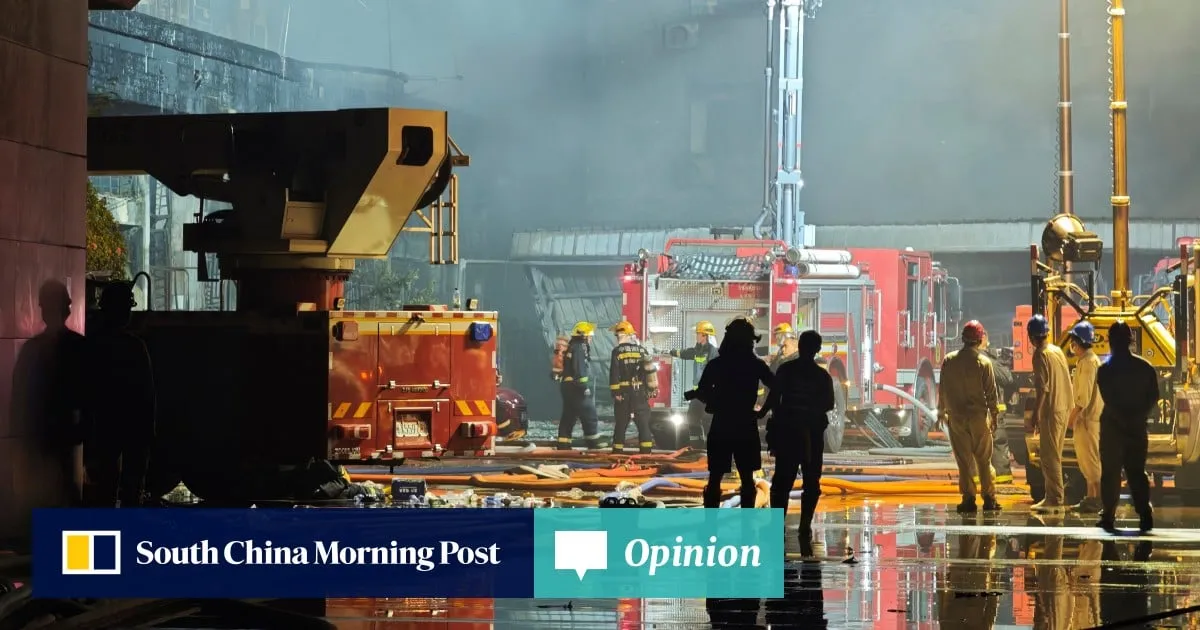
On July 9, a fire burned through a shoe factory in Jinjiang, Fujian province, killing at least 28 people. The accident signals a larger problem: firms operating under financial pressure often cut costs by compromising safety.China’s low-cost business model needs reform, but why has change been so difficult?The plant that burned employed hundreds of workers, yet company filings for 2025 indicate that only a handful of them were enrolled in pension and medical insurance plans. A fire-safety inspection two days earlier had flagged its blocked exits, but it didn’t stop production.
SRCSouth China Morning Post
LANGEN
LEANCenter-Right
WORDS91
ENT7
WED · 2026-07-22 · 08:30 GMTBRIEF NSR-2026-0722-94996
NSR-2026-0722-94996News Report·EN·Human Interest
Why China’s low-cost business model resists reform
A fire at a shoe factory in Jinjiang, Fujian province on July 9 killed at least 28 people. This incident highlights a broader issue where financially pressured firms compromise safety to cut costs, indicating a need for reform in China's low-cost business model.
Li QiangSouth China Morning PostFiled 2026-07-22 · 08:30 GMTLean · Center-RightRead · 1 min
South China Morning PostFIG 01
Reading time
1min
Word count
91words
Sources cited
0cited
Entities identified
7entities
Quality score
100%
§ 01
Briefing Summary
AI-generatedNEWSAR · AI
A fire at a shoe factory in Jinjiang, Fujian province on July 9 killed at least 28 people. This incident highlights a broader issue where financially pressured firms compromise safety to cut costs, indicating a need for reform in China's low-cost business model. The factory, employing hundreds, had few workers enrolled in pension and medical insurance plans according to 2025 filings. Despite a fire-safety inspection two days prior flagging blocked exits, production continued. The article questions why change to this business model has been difficult.
Confidence 0.85Claims 4Entities 7
§ 02
Article analysis
Model · rule-basedFraming
Human Interest
Economic Impact
Tone
Mixed Tone
AI-assessed
CalmNeutralAlarmist
Factuality
0.80 / 1.00
Factual
LowHigh
Sources cited
0
No named sources
FewMany
§ 03
Key claims
4 extracted01
The factory that burned had blocked exits, despite a recent fire-safety inspection.
factual
Confidence
1.00
02
A fire at a shoe factory in Jinjiang, Fujian province, killed at least 28 people on July 9.
factual
Confidence
1.00
03
Few workers at the factory were enrolled in pension and medical insurance plans.
statistic
Confidence
0.90
04
Firms under financial pressure often cut costs by compromising safety.
factual
Confidence
0.90
§ 04
Full report
1 min read · 91 words§ 05
Entities
7 identifiedKey playerOppositionContextPositiveNeutralNegative
§ 06
Keywords & salience
8 termslow-cost business model
1.00
safety compromise
0.90
financial pressure
0.80
factory fire
0.70
labor insurance
0.60
reform resistance
0.50
production
0.40
fire safety inspection
0.40
§ 07
Topic connections
Interactive graph Network visualization showing 51 related topics
View Full Graph Person Organization Location Event|Click node to navigate|Edge numbers = shared articles