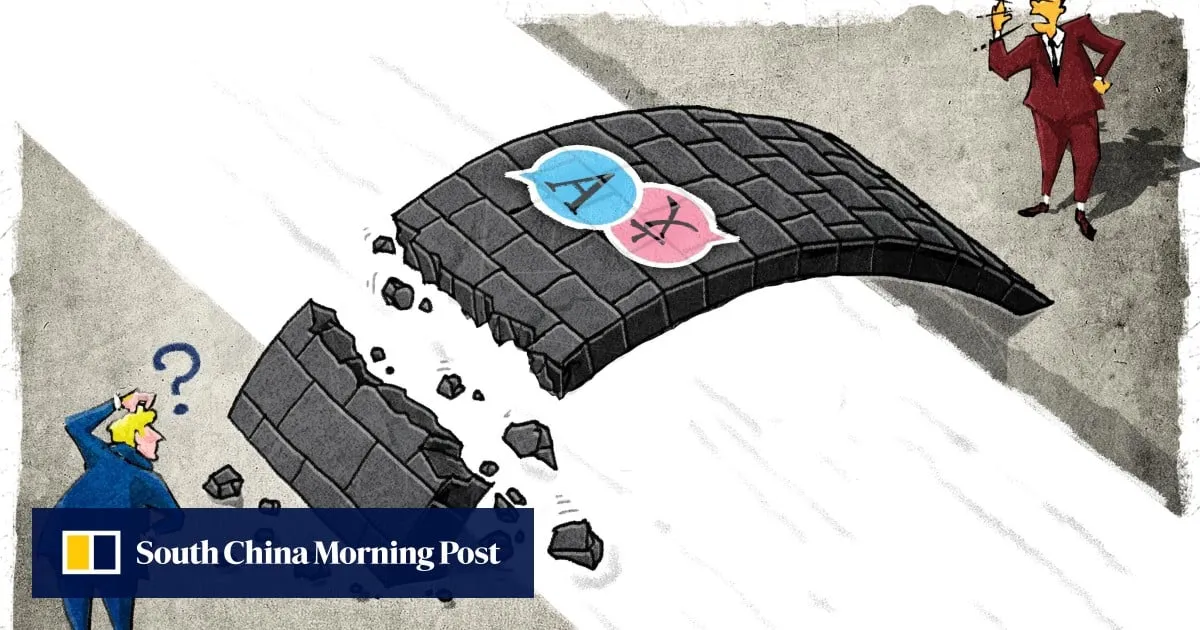
While the White House framed this vision as a “constructive relationship of strategic stability on the basis of fairness and reciprocity”, Beijing said only that it was a “constructive bilateral relationship of strategic stability”.China-watchers" class="entity-link entity-person" data-entity-id="169683" data-entity-type="person">China watchers zoomed in on the phrase – especially the Chinese version – debating what it could reveal or conceal about Beijing’s long-term ambitions.The episode highlights the importance of language in China-diplomacy" class="entity-link entity-topic" data-entity-id="169679" data-entity-type="topic">US-China diplomacy. And according to analysts, while Beijing has become better equipped linguistically to parse American strategy, the US is struggling to do the same.They put that down to funding cuts to language programmes in America as well as dwindling student exchanges and less interest in learning Chinese.The result is a disjointed network of government programmes, think tanks and independent researchers seeking to translate and interpret China’s latest moves.Analysts say that fragmentation could make it harder for Washington to understand its most critical bilateral relationship.
SRCSouth China Morning Post
LANGEN
LEANCenter-Right
WORDS149
ENT10
WED · 2026-07-22 · 22:00 GMTBRIEF NSR-2026-0723-95178
NSR-2026-0723-95178Analysis·EN·Diplomatic
What is Beijing thinking? Why Washington is struggling to understand its rival
US-China diplomatic communication is facing challenges due to differing interpretations of key phrases, such as "strategic stability," as highlighted after a recent summit between Donald Trump and Xi Jinping. While the White House emphasized "fairness and reciprocity" in their vision of a constructive relationship, Beijing's readout omitted these terms, sparking debate among China watchers about Beijing's long-term intentions.
Nayan SethSouth China Morning PostFiled 2026-07-22 · 22:00 GMTLean · Center-RightRead · 1 min
South China Morning PostFIG 01
Reading time
1min
Word count
149words
Sources cited
3cited
Entities identified
10entities
Quality score
100%
§ 01
Briefing Summary
AI-generatedNEWSAR · AI
US-China diplomatic communication is facing challenges due to differing interpretations of key phrases, such as "strategic stability," as highlighted after a recent summit between Donald Trump and Xi Jinping. While the White House emphasized "fairness and reciprocity" in their vision of a constructive relationship, Beijing's readout omitted these terms, sparking debate among China watchers about Beijing's long-term intentions. Analysts suggest that the US is struggling to understand China's strategy, attributing this difficulty to reduced funding for language programs, fewer student exchanges, and declining interest in learning Chinese within America. This linguistic gap and fragmented network of experts attempting to interpret China's actions could hinder Washington's comprehension of its crucial bilateral relationship.
Confidence 0.90Sources 3Claims 4Entities 10
§ 02
Article analysis
Model · rule-basedFraming
Diplomatic
Political Strategy
Tone
Measured
AI-assessed
CalmNeutralAlarmist
Factuality
0.40 / 1.00
Mixed
LowHigh
Sources cited
3
Well sourced
FewMany
§ 03
Key claims
4 extracted01
Beijing stated its vision as a “constructive bilateral relationship of strategic stability”.
quoteBeijing
Confidence
1.00
02
The US White House framed its vision as a “constructive relationship of strategic stability on the basis of fairness and reciprocity”.
quoteWhite House
Confidence
1.00
03
Fragmentation in US government programs, think tanks, and researchers makes it harder for Washington to understand its relationship with China.
factualAnalysts
Confidence
0.80
04
Analysts suggest the US is struggling to understand Chinese strategy due to funding cuts to language programs and reduced student exchanges.
factualAnalysts
Confidence
0.80
§ 04
Full report
1 min read · 149 words§ 05
Entities
10 identifiedKey playerOppositionContextPositiveNeutralNegative
Locations5
§ 06
Keywords & salience
9 termsus-china diplomacy
1.00
strategic stability
0.90
beijing's ambitions
0.80
understanding china
0.70
language programs
0.60
bilateral relationship
0.50
student exchanges
0.50
washington
0.40
beijing
0.40
§ 07
Topic connections
Interactive graph Network visualization showing 51 related topics
View Full Graph Person Organization Location Event|Click node to navigate|Edge numbers = shared articles