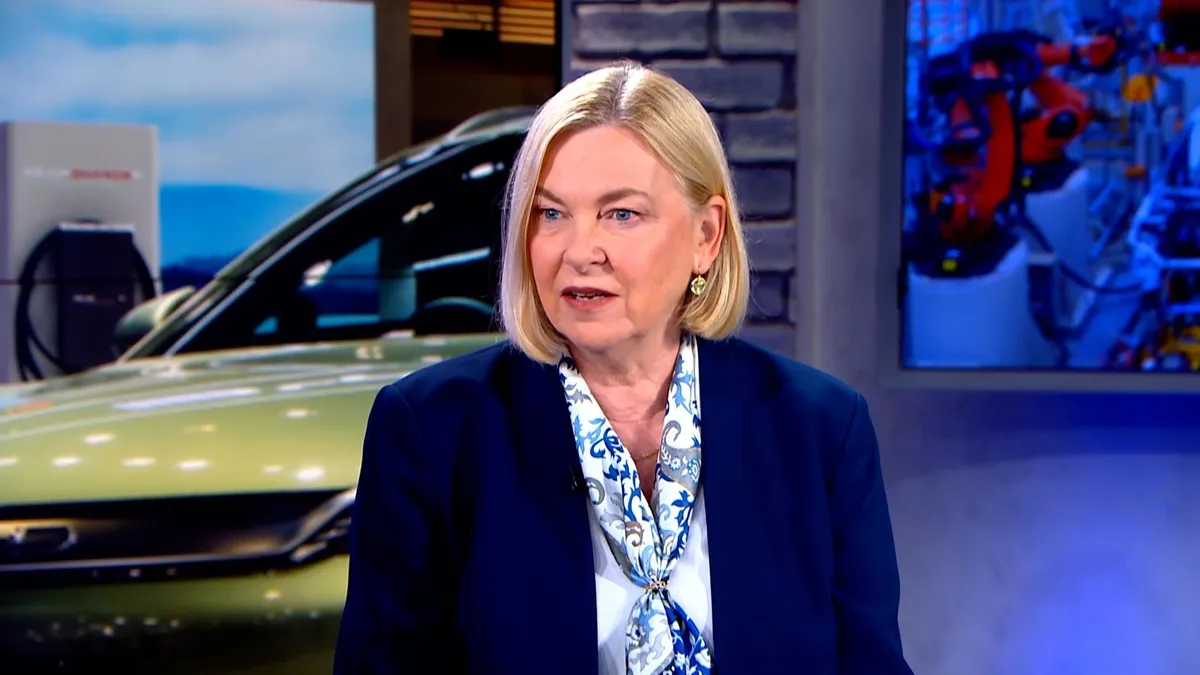
Economist Mary Lovely dismisses the claims that getting automakers to produce more cars in America proves tariffs work.
SRCAl Jazeera
LANGEN
LEANCenter
WORDS18
ENT6
THU · 2026-07-23 · 00:25 GMTBRIEF NSR-2026-0723-95189
NSR-2026-0723-95189Analysis·EN·Economic Impact
AI, China, ‘dark factories’ and the future of the US auto industry
Economist Mary Lovely argues that increased domestic auto production in the United States does not necessarily validate the effectiveness of tariffs. She specifically refutes the notion that this trend proves tariffs are working.
Al JazeeraFiled 2026-07-23 · 00:25 GMTLean · CenterRead · 1 min
Al JazeeraFIG 01
Reading time
1min
Word count
18words
Sources cited
1cited
Entities identified
6entities
Quality score
100%
§ 01
Briefing Summary
AI-generatedNEWSAR · AI
Economist Mary Lovely argues that increased domestic auto production in the United States does not necessarily validate the effectiveness of tariffs. She specifically refutes the notion that this trend proves tariffs are working. Lovely's analysis suggests that other factors, such as advancements in artificial intelligence and China's manufacturing capabilities, are more significant drivers of the future of the US auto industry. The article implies a broader discussion about the complexities of global trade and manufacturing beyond simple tariff impacts, touching upon concepts like "dark factories" which likely refer to highly automated production facilities.
Confidence 0.70Sources 1Claims 4Entities 6
§ 02
Article analysis
Model · rule-basedFraming
Economic Impact
Technology
Tone
Measured
AI-assessed
CalmNeutralAlarmist
Factuality
0.40 / 1.00
Mixed
LowHigh
Sources cited
1
Limited
FewMany
§ 03
Key claims
4 extracted01
Economist Mary Lovely disputes the effectiveness of tariffs in increasing domestic auto production.
quoteMary Lovely
Confidence
0.90
02
AI and 'dark factories' are shaping the future of the US auto industry.
factual
Confidence
0.80
03
China's role in the global auto industry and its potential influence on US production is a key theme.
factual
Confidence
0.70
04
The article discusses the potential impact of AI and automation on US auto manufacturing jobs.
factual
Confidence
0.70
§ 04
Full report
1 min read · 18 words§ 05
Entities
6 identifiedKey playerOppositionContextPositiveNeutralNegative
People1
§ 06
Keywords & salience
7 termsus auto industry
0.90
ai
0.90
china
0.80
dark factories
0.70
tariffs
0.60
automakers
0.50
manufacturing
0.40
§ 07
Topic connections
Interactive graph No topic relationship data available yet. This graph will appear once topic relationships have been computed.