Long-term exposure to road traffic noise is associated with a higher risk of Parkinson’s disease, the biggest study of its kind has found.Parkinson’s disease is a progressive disorder in which parts of the brain become damaged over time, affecting movement and balance.Existing research has found potential biological pathways that link noise exposure to Parkinson’s disease, largely due to stress responses and disrupted sleep. The researchers modelled noise exposure at the most and least exposed exterior of the residence of each participant and calculated the difference in noise levels.The magnitude of the effect was modest but consistent; at the most exposed facade, for every 11.5dB rise in noise level, the risk of Parkinson’s disease rose by 3% over the study period.Having a quiet part of the home may mitigate the association between exposure to road traffic noise and higher risk of Parkinson’s disease, according to the findings.The study, published in Jama Neurology, included 3.1 million Danish participants aged 40 and over, and followed them for 18 years. It was established using nationwide health register data, making it the largest study on road traffic noise and Parkinson’s disease.Previous research linked the rise in neurological disorders, including Parkinson’s disease, with exposure to environmental toxins. Environmental risk factors such as air pollution, microplastics and pesticides have become the main focus of prevention strategies.The study is one of the first to make the link to noise pollution. Chronic noise exposure exceeding World Health Organization thresholds affects nearly one-third of Europeans. Thomas Münzel, one of the authors of the study, said environmental noise is “still a young entrant in the Parkinson’s disease risk-factor literature”.Münzel said the study’s findings should move noise from a speculative to a credible risk factor for Parkinson’s disease, prompting furtherresearch into the topic.The researchers took air pollution into account but lacked information on people’s lifestyles. They argue, however, that lifestyle factors would not have changed the findings, because they saw a consistent association with Parkinson’s regardless of people’s education and income.Chronically disturbed sleep from noise pollution is thought to cause increased levels of the stress hormone cortisol. Anna Hansell, a professor of environmental epidemiology at the University of Leicester, who was not involved in the study, said noise was “more likely to be a general stressor” rather than a specific environmental risk factor for Parkinson’s disease, and the nature of the study design “doesn’t ‘prove’ causation”.Dr Peter Chan, a senior researcher in environmental epidemiology at Nuffield Department of Population Health, who was not involved in the study, said: “The study of [difference in noise levels] is interesting as it highlights a dimension of noise issue that noise at home is not uniform and people can mitigate by moving to different rooms.” However, he added the findings were not unexpected.He said: “We know that many potential risk factors of Parkinson’s disease are also linked to low socioeconomic status, and it is very hard to disentangle whether the increased risk with noise is totally due to noise itself or something else.”John Stewart, the chair of the UK Noise Association who was not involved in the study, said: “This research joins a growing list of studies which show a connection between traffic noise and people’s physical and mental health. It shows the link is strongest where the noise is loudest. In practice, this means main roads.“That suggests governments and local authorities should focus their efforts on cutting main road noise.”
SRCThe Guardian - World News
LANGEN
LEANCenter-Left
WORDS565
ENT10
THU · 2026-07-23 · 13:24 GMTBRIEF NSR-2026-0723-95352
NSR-2026-0723-95352News Report·EN·Public Health
Risk of Parkinson’s disease may increase with prolonged exposure to road traffic noise
A large-scale study involving 3.1 million Danish participants over 18 years found a link between long-term exposure to road traffic noise and an increased risk of Parkinson's disease. For every 11.5 decibel rise in noise levels at the most exposed side of a residence, the risk of developing Parkinson's disease increased by 3%.
Ushika KiddThe Guardian - World NewsFiled 2026-07-23 · 13:24 GMTLean · Center-LeftRead · 3 min
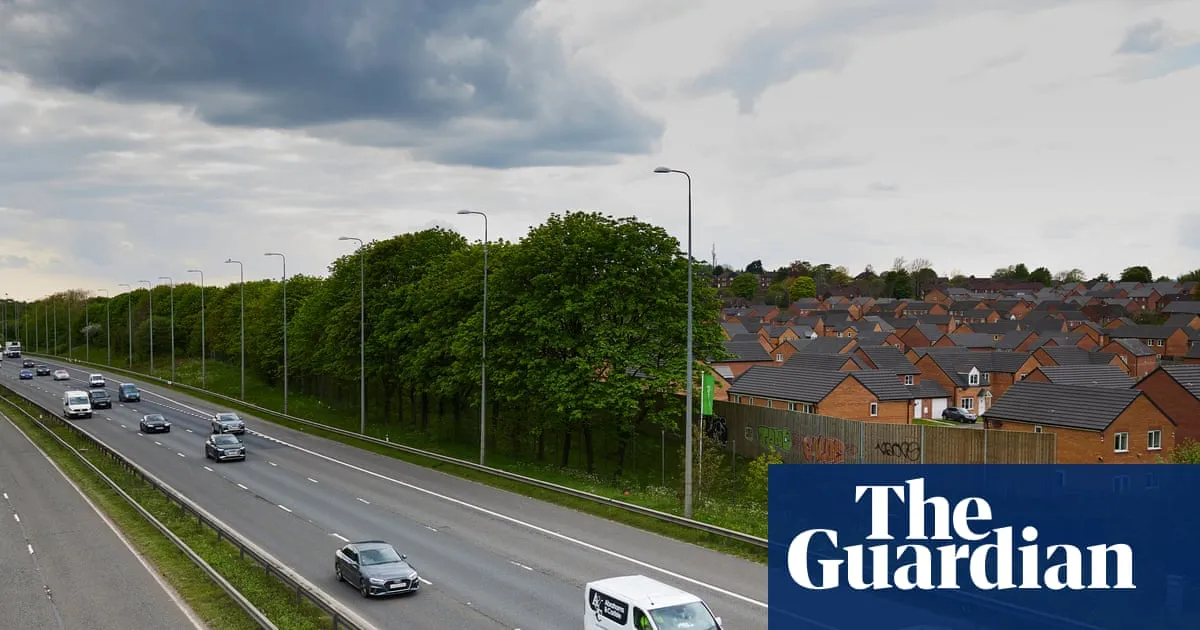
The Guardian - World NewsFIG 01
Reading time
3min
Word count
565words
Sources cited
3cited
Entities identified
10entities
Quality score
100%
§ 01
Briefing Summary
AI-generatedNEWSAR · AI
A large-scale study involving 3.1 million Danish participants over 18 years found a link between long-term exposure to road traffic noise and an increased risk of Parkinson's disease. For every 11.5 decibel rise in noise levels at the most exposed side of a residence, the risk of developing Parkinson's disease increased by 3%. Researchers suggest that stress responses and disrupted sleep caused by noise pollution may contribute to this association. The study, published in JAMA Neurology, considered air pollution but acknowledged limitations regarding lifestyle data. Experts note that having quieter areas within a home might mitigate this risk, and suggest that noise pollution is a credible, though still emerging, risk factor for Parkinson's disease.
Confidence 0.90Sources 3Claims 5Entities 10
§ 02
Article analysis
Model · rule-basedFraming
Public Health
Environmental
Tone
Measured
AI-assessed
CalmNeutralAlarmist
Factuality
0.80 / 1.00
Factual
LowHigh
Sources cited
3
Well sourced
FewMany
§ 03
Key claims
5 extracted01
The study design doesn’t ‘prove’ causation between noise and Parkinson’s disease.
quoteAnna Hansell
Confidence
1.00
02
For every 11.5dB rise in noise level, the risk of Parkinson’s disease rose by 3% over the study period.
statisticstudy authors
Confidence
0.90
03
Long-term exposure to road traffic noise is associated with a higher risk of Parkinson’s disease.
factualstudy authors
Confidence
0.90
04
Chronic noise exposure exceeding World Health Organization thresholds affects nearly one-third of Europeans.
statisticarticle
Confidence
0.80
05
Having a quiet part of the home may mitigate the association between exposure to road traffic noise and higher risk of Parkinson’s disease.
factualstudy authors
Confidence
0.80
§ 04
Full report
3 min read · 565 words§ 05
Entities
10 identifiedKey playerOppositionContextPositiveNeutralNegative
Organizations3
§ 06
Keywords & salience
9 termsparkinson's disease
1.00
road traffic noise
1.00
noise pollution
0.90
environmental risk factors
0.80
disrupted sleep
0.70
stress responses
0.70
neurological disorders
0.60
chronic noise exposure
0.50
jama neurology
0.40
§ 07
Topic connections
Interactive graph Network visualization showing 5 related topics
View Full Graph Person Organization Location Event|Click node to navigate|Edge numbers = shared articles