"More expensive fuel and energy can ripple through the wider economy, increasing costs for businesses and ultimately feeding through into the price of food and other goods," said Jonathan Raymond, investment manager at Quilter Cheviot."This creates another headache for central banks as they continue their battle against inflation. "If energy prices remain elevated, policymakers may come under pressure to keep interest rates higher for longer or even raise them. This would come as a blow to mortgage holders and borrowers already feeling the strain."The England" class="entity-link entity-organization" data-entity-id="2477" data-entity-type="organization">Bank of England, which sets UK interest rates, has held them at 3.75% in its last four meetings.Paul Dales, chief UK economist at Capital Economics, said he believed the Bank will "almost certainly" hold them again. But he said analysts still expected that interest rates could be cut next year if energy price rises ease.Kevin Warsh, the newly-appointed chair of the US Federal Reserve, last week told Congress that the central bank had "no tolerance to persistently elevated inflation".US President Donald Trump had pushed Warsh's predecessor, Jerome Powell, to cut interest rates. Trump has made it clear he expects Warsh to fulfil his demand for reductions in borrowing costs for Americans.
SRCBBC News - World
LANGEN
LEANCenter
WORDS195
ENT12
THU · 2026-07-23 · 15:31 GMTBRIEF NSR-2026-0723-95380
NSR-2026-0723-95380News Report·EN·Economic Impact
Oil prices hit $100 for the first time since May
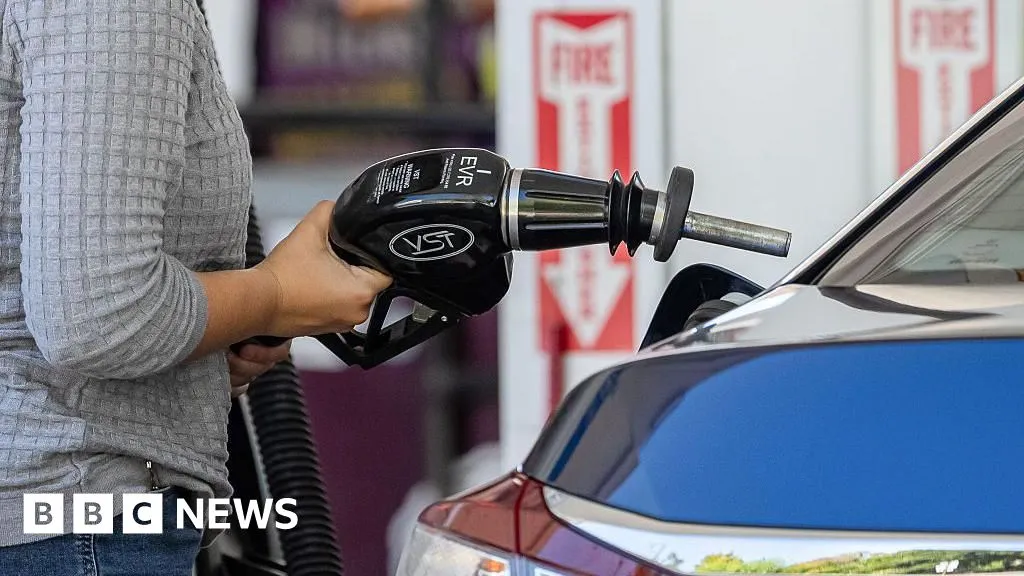
Brent crude oil prices surpassed $100 per barrel for the first time since May due to the escalating conflict in the Middle East. This surge in energy costs is expected to impact the broader economy, increasing expenses for businesses and potentially leading to higher prices for food and other goods.
29 minutes agoShareSaveAdd as preferred on GoogleMichael RaceandBen King,Business reportersBBC News - WorldFiled 2026-07-23 · 15:31 GMTLean · CenterRead · 1 min
BBC News - WorldFIG 01
Reading time
1min
Word count
195words
Sources cited
3cited
Entities identified
12entities
Quality score
100%
§ 01
Briefing Summary
AI-generatedNEWSAR · AI
Brent crude oil prices surpassed $100 per barrel for the first time since May due to the escalating conflict in the Middle East. This surge in energy costs is expected to impact the broader economy, increasing expenses for businesses and potentially leading to higher prices for food and other goods. This development presents a challenge for central banks, including the Bank of England and the US Federal Reserve, in their efforts to combat inflation. Elevated energy prices could pressure policymakers to maintain higher interest rates for an extended period or even implement further increases, affecting mortgage holders and borrowers. Analysts anticipate the Bank of England will likely hold its interest rates steady but may consider cuts next year if energy prices stabilize. The US Federal Reserve has indicated a strong stance against persistently high inflation.
Confidence 0.90Sources 3Claims 5Entities 12
§ 02
Article analysis
Model · rule-basedFraming
Economic Impact
Political Strategy
Tone
Measured
AI-assessed
CalmNeutralAlarmist
Factuality
0.60 / 1.00
Mixed
LowHigh
Sources cited
3
Well sourced
FewMany
§ 03
Key claims
5 extracted01
The Bank of England has held interest rates at 3.75% in its last four meetings.
factual
Confidence
1.00
02
More expensive fuel and energy can increase costs for businesses and ultimately affect the price of food and other goods.
quoteJonathan Raymond
Confidence
1.00
03
Oil prices have reached $100 per barrel, a level not seen since May.
factual
Confidence
1.00
04
Elevated energy prices may pressure policymakers to maintain or increase interest rates.
quoteJonathan Raymond
Confidence
0.90
05
Analysts expect interest rates could be cut next year if energy price rises ease.
predictionCapital Economics
Confidence
0.70
§ 04
Full report
1 min read · 195 words§ 05
Entities
12 identifiedKey playerOppositionContextPositiveNeutralNegative
People5
Organizations4
Locations1
§ 06
Keywords & salience
9 termsoil prices
1.00
inflation
0.90
interest rates
0.80
energy costs
0.70
central banks
0.60
us federal reserve
0.50
bank of england
0.50
economic impact
0.40
borrowing costs
0.40
§ 07
Topic connections
Interactive graph Network visualization showing 32 related topics
View Full Graph Person Organization Location Event|Click node to navigate|Edge numbers = shared articles