Scientific ties can be a stabilising force in relations between China and the US but as the two countries jostle for a hi-tech edge, maintaining these links will mean going beyond simple competition versus cooperation.To get there, Beijing and Washington will need to keep in continuous contact and have clearly defined boundaries, with narrower areas of collaboration.That was the finding Zhao Minghao, a professor at Fudan University’s Institute of International Studies, and Chen Yutong, a graduate student at the institute, outlined in a research paper on July 15 in the China-quarterly-of-international-strategic-studies" class="entity-link entity-organization" data-entity-id="170196" data-entity-type="organization">China Quarterly of International Strategic Studies, the journal of the Shanghai Institutes for International Studies.
SRCSouth China Morning Post
LANGEN
LEANCenter-Right
WORDS105
ENT9
THU · 2026-07-23 · 14:00 GMTBRIEF NSR-2026-0723-95403
NSR-2026-0723-95403News Report·EN·Diplomatic
Can science bridge the US-China trust gap? Maybe with new rules, researchers say
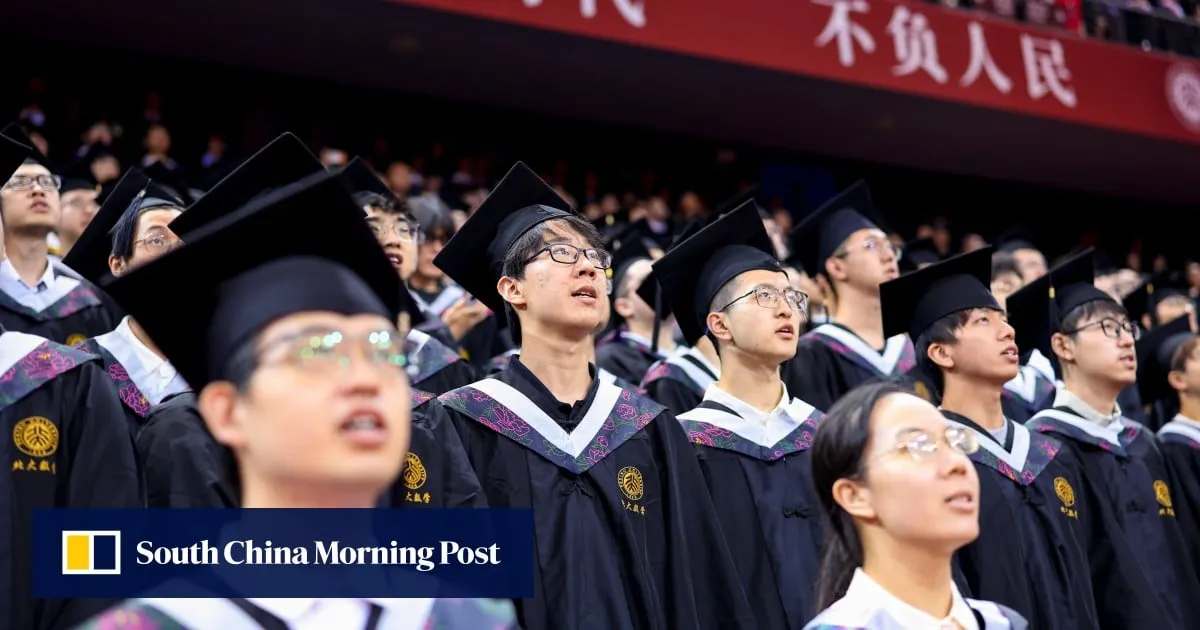
A research paper published on July 15 in the China Quarterly of International Strategic Studies suggests that scientific ties can stabilize US-China relations, even as both nations compete for technological dominance. According to Fudan University professor Zhao Minghao and graduate student Chen Yutong, maintaining these links requires moving beyond a simple competition versus cooperation framework.
Fan ChenSouth China Morning PostFiled 2026-07-23 · 14:00 GMTLean · Center-RightRead · 1 min
South China Morning PostFIG 01
Reading time
1min
Word count
105words
Sources cited
2cited
Entities identified
9entities
Quality score
100%
§ 01
Briefing Summary
AI-generatedNEWSAR · AI
A research paper published on July 15 in the China Quarterly of International Strategic Studies suggests that scientific ties can stabilize US-China relations, even as both nations compete for technological dominance. According to Fudan University professor Zhao Minghao and graduate student Chen Yutong, maintaining these links requires moving beyond a simple competition versus cooperation framework. They propose that Beijing and Washington must engage in continuous contact and establish clearly defined boundaries, focusing collaboration on narrower areas. This approach, they argue, is necessary to navigate the complexities of their relationship.
Confidence 0.85Sources 2Claims 4Entities 9
§ 02
Article analysis
Model · rule-basedFraming
Diplomatic
Technology
Tone
Measured
AI-assessed
CalmNeutralAlarmist
Factuality
0.40 / 1.00
Mixed
LowHigh
Sources cited
2
Limited
FewMany
§ 03
Key claims
4 extracted01
Zhao Minghao and Chen Yutong outlined findings in a research paper on July 15 in the China Quarterly of International Strategic Studies.
factualZhao Minghao and Chen Yutong
Confidence
1.00
02
The US and China are jostling for a hi-tech edge.
factual
Confidence
0.90
03
Maintaining scientific links requires continuous contact and clearly defined boundaries with narrower areas of collaboration.
factual
Confidence
0.80
04
Scientific ties can be a stabilising force in US-China relations.
factual
Confidence
0.70
§ 04
Full report
1 min read · 105 words§ 05
Entities
9 identifiedKey playerOppositionContextPositiveNeutralNegative
Organizations3
§ 06
Keywords & salience
9 termsus-china relations
1.00
scientific ties
0.90
trust gap
0.80
hi-tech edge
0.70
competition versus cooperation
0.60
continuous contact
0.50
clearly defined boundaries
0.50
new rules
0.50
areas of collaboration
0.40
§ 07
Topic connections
Interactive graph Network visualization showing 51 related topics
View Full Graph Person Organization Location Event|Click node to navigate|Edge numbers = shared articles