The EU has watered down its latest round of sanctions on Moscow after concluding that banning Greek companies from transporting Russian gas to third countries could hand strategically important shipping assets to China.To remove a Greek veto against the 21st package of measures aimed at hobbling Russia’s war machine, the bloc’s member states agreed to allow EU operators to continue transporting Russian liquefied natural gas (LNG) to third countries for one year.Officials explained that China’s role in maritime finance and shipping was behind the carve-out, underscoring the leverage Beijing has built across many sectors of the global economy.
SRCSouth China Morning Post
LANGEN
LEANCenter-Right
WORDS98
ENT10
THU · 2026-07-23 · 16:56 GMTBRIEF NSR-2026-0723-95444
NSR-2026-0723-95444News Report·EN·Political Strategy
EU waters down Russia sanctions over fears China could seize key LNG assets
The EU has modified its latest sanctions package against Russia due to concerns that a ban on Greek companies transporting Russian liquefied natural gas (LNG) to third countries could lead to China acquiring crucial shipping assets. To overcome a Greek veto, EU member states agreed to permit EU operators to continue transporting Russian LNG to third countries for one year.
Finbarr BerminghamSouth China Morning PostFiled 2026-07-23 · 16:56 GMTLean · Center-RightRead · 1 min
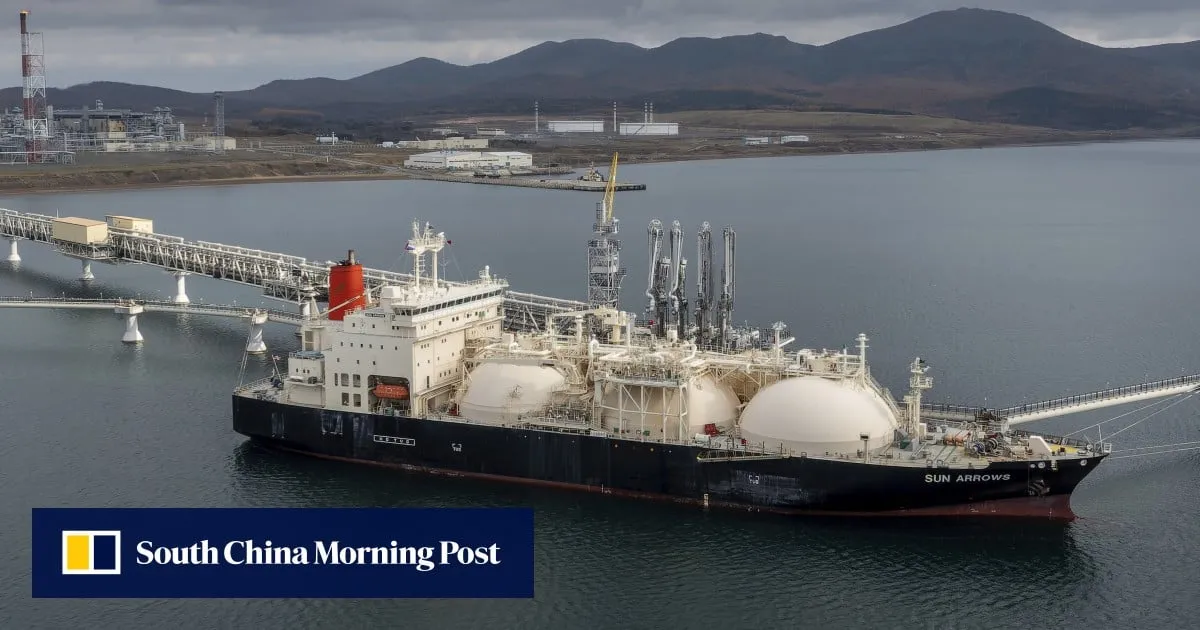
South China Morning PostFIG 01
Reading time
1min
Word count
98words
Sources cited
1cited
Entities identified
10entities
Quality score
100%
§ 01
Briefing Summary
AI-generatedNEWSAR · AI
The EU has modified its latest sanctions package against Russia due to concerns that a ban on Greek companies transporting Russian liquefied natural gas (LNG) to third countries could lead to China acquiring crucial shipping assets. To overcome a Greek veto, EU member states agreed to permit EU operators to continue transporting Russian LNG to third countries for one year. This decision was influenced by China's significant role in maritime finance and shipping. The EU's 21st sanctions package aims to hinder Russia's war efforts, but this concession highlights China's economic influence.
Confidence 0.85Sources 1Claims 5Entities 10
§ 02
Article analysis
Model · rule-basedFraming
Political Strategy
Economic Impact
Tone
Measured
AI-assessed
CalmNeutralAlarmist
Factuality
0.80 / 1.00
Factual
LowHigh
Sources cited
1
Limited
FewMany
§ 03
Key claims
5 extracted01
EU operators will be allowed to continue transporting Russian liquefied natural gas (LNG) to third countries for one year.
factual
Confidence
1.00
02
The EU watered down its latest round of sanctions on Moscow.
factual
Confidence
1.00
03
China's role in maritime finance and shipping was behind the carve-out.
factualEU officials
Confidence
0.90
04
Banning Greek companies from transporting Russian gas to third countries could hand strategically important shipping assets to China.
factualEU officials
Confidence
0.90
05
Beijing has built leverage across many sectors of the global economy.
factualEU officials
Confidence
0.80
§ 04
Full report
1 min read · 98 words§ 05
Entities
10 identifiedKey playerOppositionContextPositiveNeutralNegative
Organizations1
Locations4
§ 06
Keywords & salience
8 termslng
1.00
russia sanctions
1.00
china
0.90
eu
0.80
shipping assets
0.70
maritime finance
0.60
global economy
0.50
war machine
0.40
§ 07
Topic connections
Interactive graph Network visualization showing 51 related topics
View Full Graph Person Organization Location Event|Click node to navigate|Edge numbers = shared articles