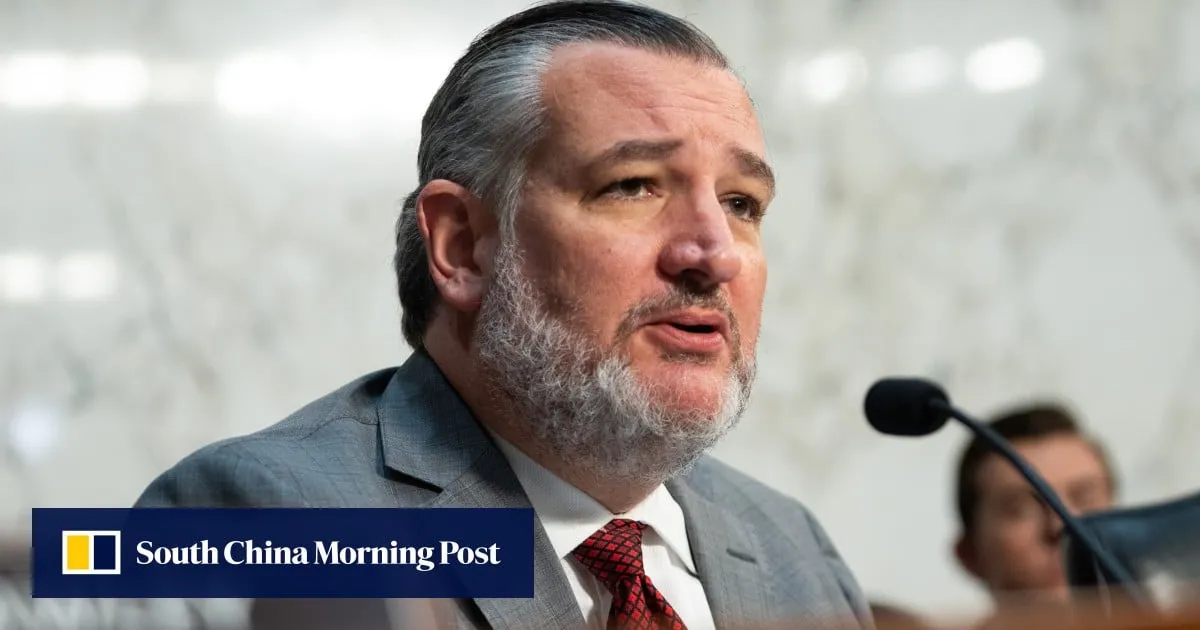
US senators broadly agree that Chinese connected vehicles should be kept off American roads. But a bipartisan attempt to codify and expand existing restrictions has exposed divisions over whether the proposed ban could ensnare European carmakers and increase costs for American electric-vehicle producers.The Senate Committee on Commerce, Science, and Transportation advanced the Connected Vehicle Security Act of 2026, a bill that would prohibit the import, manufacture and sale of connected vehicles linked to China and other foreign adversaries. It would also restrict the use of covered vehicle software and hardware on national security grounds.The bill would also prohibit vehicles made by companies with significant Chinese ownership. Under the bill, a connected vehicle could be prohibited if its manufacturer is more than 15 per cent owned or controlled by a Chinese entity or a combination of Chinese entities.“What we don’t want to do is [to] cede this entire industry to the Chinese,” said Senator Bernie Moreno, an Ohio Republican and the bill’s lead sponsor. “We will not commit industrial suicide, and we will not allow ‘automotive fentanyl’ to enter the United States of America.”The move to ban Chinese cars is not entirely new. Washington’s two long-running anxieties are reflected in this bill: the US auto industry’s fear of being undercut by Chinese competitors, and national security officials’ unease over how much data connected cars can send back to Beijing.
SRCSouth China Morning Post
LANGEN
LEANCenter-Right
WORDS228
ENT12
THU · 2026-07-23 · 21:48 GMTBRIEF NSR-2026-0723-95484
NSR-2026-0723-95484News Report·EN·National Security
US senators clash over scope of Chinese connected-vehicle ban
US senators have advanced the Connected Vehicle Security Act of 2026, a bill aiming to ban Chinese connected vehicles from American roads due to national security concerns and fears of economic competition. The bipartisan effort, however, has revealed disagreements regarding its potential impact on European automakers and the cost for American electric vehicle producers.
Han LiSouth China Morning PostFiled 2026-07-23 · 21:48 GMTLean · Center-RightRead · 1 min
South China Morning PostFIG 01
Reading time
1min
Word count
228words
Sources cited
1cited
Entities identified
12entities
Quality score
100%
§ 01
Briefing Summary
AI-generatedNEWSAR · AI
US senators have advanced the Connected Vehicle Security Act of 2026, a bill aiming to ban Chinese connected vehicles from American roads due to national security concerns and fears of economic competition. The bipartisan effort, however, has revealed disagreements regarding its potential impact on European automakers and the cost for American electric vehicle producers. The bill would prohibit the import, manufacture, and sale of connected vehicles linked to China or other foreign adversaries, as well as restrict the use of related software and hardware. It also targets vehicles with significant Chinese ownership, defining this as over 15% ownership or control by Chinese entities. Senators supporting the bill emphasize preventing the US from ceding the automotive industry to China and addressing data security risks.
Confidence 0.90Sources 1Claims 5Entities 12
§ 02
Article analysis
Model · rule-basedFraming
National Security
Economic Impact
Tone
Mixed Tone
AI-assessed
CalmNeutralAlarmist
Factuality
0.70 / 1.00
Factual
LowHigh
Sources cited
1
Limited
FewMany
§ 03
Key claims
5 extracted01
“What we don’t want to do is [to] cede this entire industry to the Chinese,”
quoteSenator Bernie Moreno
Confidence
1.00
02
The Senate Committee on Commerce, Science, and Transportation advanced the Connected Vehicle Security Act of 2026.
factual
Confidence
1.00
03
A connected vehicle could be prohibited if its manufacturer is more than 15 per cent owned or controlled by a Chinese entity or a combination of Chinese entities.
factual
Confidence
0.90
04
The bill would prohibit the import, manufacture and sale of connected vehicles linked to China and other foreign adversaries.
factual
Confidence
0.90
05
US senators broadly agree that Chinese connected vehicles should be kept off American roads.
factual
Confidence
0.90
§ 04
Full report
1 min read · 228 words§ 05
Entities
12 identifiedKey playerOppositionContextPositiveNeutralNegative
Organizations4
§ 06
Keywords & salience
9 termschinese connected vehicles
1.00
connected vehicle security act of 2026
0.90
national security
0.80
us auto industry
0.70
chinese ownership
0.60
foreign adversaries
0.60
data security
0.50
electric-vehicle producers
0.40
european carmakers
0.40
§ 07
Topic connections
Interactive graph Network visualization showing 51 related topics
View Full Graph Person Organization Location Event|Click node to navigate|Edge numbers = shared articles