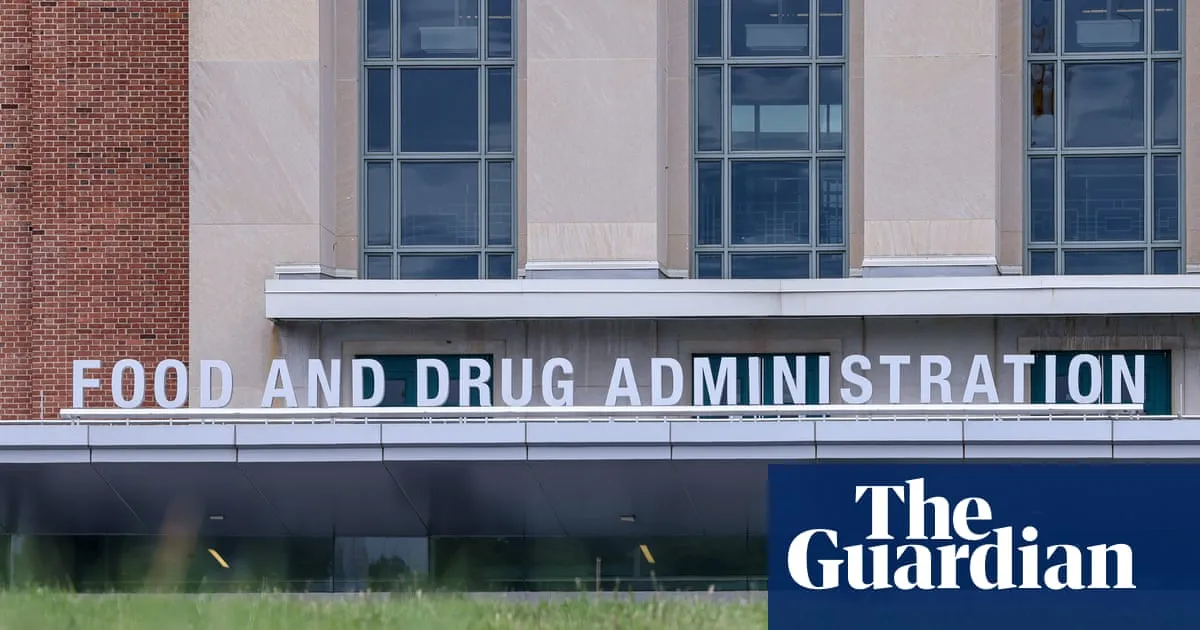
A panel of federal health advisers on Thursday narrowly recommended easing access to several peptides popular with wellness influencers and celebrities, despite warnings from government scientists that the chemicals have not been shown to be safe or effective.In a series of votes, outside experts to the Food and Drug Administration advised the agency to drop current restrictions barring pharmacies from producing injectable peptides with names like BPC-157, TB-500 and KPV.The panel’s vote is not binding but is likely to embolden the health secretary, Robert F Kennedy Jr, who has described himself as a “big fan” of peptides and vowed to overturn FDA restrictions put in place under Joe Biden.Across several votes, the panelists voted 8-6, with one abstention, in favor of putting the peptides on FDA’s list of substances considered safe for pharmacy compounding. If FDA follows that advice, telehealth companies are expected to ramp up marketing of the chemicals for wellness and cosmetic uses.Thursday’s vote tally reflected the unusual makeup of the panel. Before the meeting, more than a half-dozen people with connections to the peptide industry were added to the panel, including doctors, pharmacists or consultants who work in the field.“I voted yes because it’s time to put this decision back in the hands of the patient, the physician and the pharmacist,” said David Pope, chief pharmacy officer of Xifin Pharmacy Solutions, after the vote on BPC-157.The panel will on Friday vote on three more peptides. The FDA is not required to follow the group’s advice, though it usually does.The positive votes came despite highly critical reviews from FDA staff scientists, who said there was little data that BPC-157, TB-500 and the other chemicals can be safely used for medical purposes.The peptide boom: how the US got hooked on unregulated ‘miracle’ drugs | On the GroundPanel members with backgrounds in academia, rather than peptides, mostly voted against the substances, which are widely advertised on social media.“I’m concerned we’re responding to a market-induced demand rather than a decision based in solid science,” said Dr Elizabeth Rebello of the University of Texas MD Anderson Center.skip past newsletter promotionafter newsletter promotionPeptide supporters include the podcaster Joe Rogan and longevity influencers such as Gary Brecka, a supporter of Kennedy’s “Make America Healthy Again” agenda who sells peptides through his website.But medical experts describe the marketplace as a “wild west” of unproven, unregulated drugs that could cause serious harm, including infection, allergic reactions or other problems.Peptides are the building blocks of more complex proteins, triggering hormones inside the body needed for growth, metabolism and healing. Drug companies have brought several to market as medications, including mainstay treatments for diabetes and weight loss.But most peptides sold online are promoted for unproven uses, often combined in “stacks”, to purportedly heal injuries, build muscle, rejuvenate skin or increase energy.
SRCThe Guardian - World News
LANGEN
LEANCenter-Left
WORDS463
ENT12
THU · 2026-07-23 · 22:45 GMTBRIEF NSR-2026-0724-95506
NSR-2026-0724-95506News Report·EN·Public Health
US health panel recommends easing restrictions on controversial peptides
A federal health advisory panel narrowly recommended easing restrictions on several injectable peptides, including BPC-157, TB-500, and KPV, which are popular among wellness influencers and celebrities. The panel, whose members include individuals linked to the peptide industry, voted 8-6 to suggest the FDA remove current restrictions barring pharmacies from compounding these substances.
Associated PressThe Guardian - World NewsFiled 2026-07-23 · 22:45 GMTLean · Center-LeftRead · 2 min
The Guardian - World NewsFIG 01
Reading time
2min
Word count
463words
Sources cited
5cited
Entities identified
12entities
Quality score
100%
§ 01
Briefing Summary
AI-generatedNEWSAR · AI
A federal health advisory panel narrowly recommended easing restrictions on several injectable peptides, including BPC-157, TB-500, and KPV, which are popular among wellness influencers and celebrities. The panel, whose members include individuals linked to the peptide industry, voted 8-6 to suggest the FDA remove current restrictions barring pharmacies from compounding these substances. This recommendation comes despite warnings from FDA scientists about the lack of evidence for the peptides' safety and effectiveness. The panel's vote is advisory, but it is expected to support Health Secretary Robert F. Kennedy Jr., who has expressed support for peptides. If the FDA accepts the advice, telehealth companies may increase marketing of these peptides for unproven wellness and cosmetic uses.
Confidence 0.90Sources 5Claims 5Entities 12
§ 02
Article analysis
Model · rule-basedFraming
Public Health
Political Strategy
Tone
Mixed Tone
AI-assessed
CalmNeutralAlarmist
Factuality
0.70 / 1.00
Factual
LowHigh
Sources cited
5
Well sourced
FewMany
§ 03
Key claims
5 extracted01
Government scientists warned that the chemicals have not been shown to be safe or effective.
factualgovernment scientists
Confidence
0.95
02
Medical experts describe the marketplace as a 'wild west' of unproven, unregulated drugs that could cause serious harm.
quotemedical experts
Confidence
0.90
03
A federal health panel narrowly recommended easing restrictions on several peptides popular with wellness influencers and celebrities.
factualpanel of federal health advisers
Confidence
0.90
04
The panel's vote is not binding but is likely to embolden the health secretary, Robert F Kennedy Jr, who has described himself as a 'big fan' of peptides.
factualarticle
Confidence
0.85
05
Panel members with backgrounds in academia, rather than peptides, mostly voted against the substances.
factualarticle
Confidence
0.80
§ 04
Full report
2 min read · 463 words§ 05
Entities
12 identifiedKey playerOppositionContextPositiveNeutralNegative
People6
Organizations4
§ 06
Keywords & salience
10 termspeptides
1.00
fda
0.90
health panel
0.80
pharmacy compounding
0.70
wellness influencers
0.60
kpv
0.50
tb-500
0.50
bpc-157
0.50
social media
0.40
robert f kennedy jr
0.40
§ 07
Topic connections
Interactive graph Network visualization showing 27 related topics
View Full Graph Person Organization Location Event|Click node to navigate|Edge numbers = shared articles