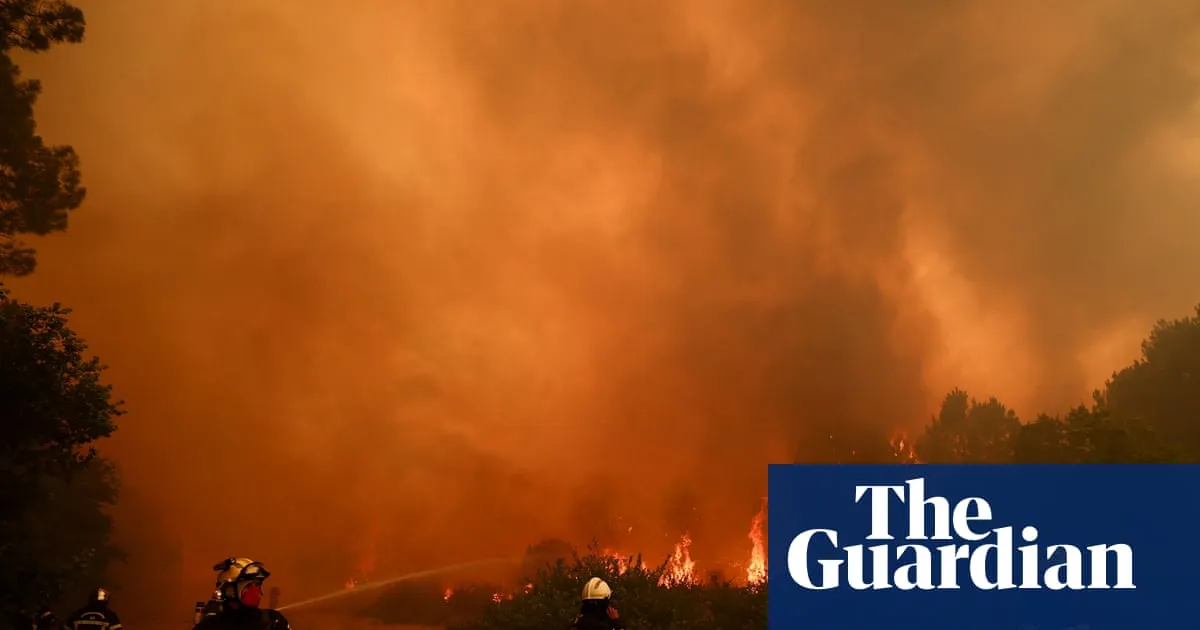
Fierce Wildfires after back-to-back Heatwaves have forced tens of thousands of people across southern Europe to flee their homes, while powerful infernos across Canada and the US choke big cities with thick smoke.How deadly are Wildfires?Wildfires directly kill hundreds of people each year. Though they may seem apocalyptic, the death toll is far lower than from floods, which kill thousands, and from Heatwaves, which kill hundreds of thousands.But when you factor in smoke, the human cost rises rapidly. The latest study estimates that the air pollution spewed by Wildfires kills a staggering 1.5 million people each year. The toxic fumes can reach so far that tendrils of smoke from Australian bushfires have menaced South America, while smoke from Canadian fires – which regularly suffocate cities across the US – have fouled the air in Europe. Last year, a study attributed 22,000 early deaths in Europe to Canadian wildfire smoke in 2023, out of a total of 82,000 deaths.What causes Wildfires?Many things can spark a wildfire: natural causes such as lightning, faulty infrastructure such as downed power lines, or people behaving badly. Devastating blazes in recent years have been started by smokers tossing cigarette butts, tourists failing to put out campfires, and even arsonists intentionally setting nature alight.But whether those sparks turn into small fires or raging blazes depends on the weather. Fires need hot, dry fuel to burn, and they spread further with strong winds.How does climate breakdown affect Wildfires?Fossil fuel pollution has heated the planet by about 1.3C, raising the risk of prolonged heat that turns forests and grasslands into tinderboxes. In some regions, such as the Mediterranean, global heating is also fuelling droughts that dry out lush greenery.Scientists have found that such shifts have made the Wildfires that have happened this year in places including California, South Korea and Australia more likely – in some cases doubling the chance of extreme weather conditions that help fires spread.A blaze engulfs trees in Llano, California, on 10 July. Photograph: Ethan Swope/APAre Wildfires getting worse?Even as the planet has heated up, the area torched by fires has fallen. This is because people have taken nature that used to burn freely and turned it into farms or cities – in recent decades mainly in Africa – that stop the spread of flames. The latest models find land use changes and other human drivers have shrunk the burned area by 19.1% since 1900, while climate changes increased it by 15.8% – resulting in a small decline of 3.3% overall.Will Wildfires become more common?The conditions for ferocious fires are expected to worsen as the planet bakes. Two separate indices of fire weather project a steady rise in the number of days with high fire danger as temperatures inch higher, a recent study found.By the end of the century, the total burned area is projected to rise by 40% even in an optimistic scenario for cutting carbon pollution, according to a separate study. In a worst-case scenario, it is set to double.Wildfire smoke engulfs Toronto as unhealthy air reaches New York - videoThe danger that Wildfires pose to people and property can drop sharply by managing land better. This can include creating fire breaks to stem the spread of an inferno, stopping new settlement in places prone to fires, and even sending herds of goats into abandoned farmland to graze away overgrown vegetation.In some places firefighters are trying the technique of intentionally burning land to avoid a buildup of fuel that could lead to catastrophic fires – a long-running Indigenous practice in Australia and North America that European fire experts are starting to adopt.Would better forest management solve the problem?Not on its own. Land abandonment and fire suppression is a big contributor to the buildup of fuel that allows blazes in parts of the US and the Mediterranean to explode into mega-fires, but in Canada, most of the burning takes place in boreal forests that were never managed by humans. These fires are being intensified by rising global average temperatures that worsen the risk of severe fire weather.How can I stay safe during a wildfire?If you live somewhere at risk of Wildfires, put a plan together before disaster strikes. This could include identifying safe routes and nearby shelters, and packing an emergency bag. Some fire services recommend creating a safe zone around your home that is free from leaves and flammable materials.Experts say you should vacate immediately if authorities tell you to – or if your home is at risk but warnings have not come. To avoid the smoke, keep windows closed and use respirator masks.
SRCThe Guardian - World News
LANGEN
LEANCenter-Left
WORDS761
ENT12
FRI · 2026-07-24 · 14:47 GMTBRIEF NSR-2026-0724-95759
NSR-2026-0724-95759Analysis·EN·Public Health
How dangerous are wildfires and how can we stop them from getting worse?
Wildfires are a growing concern, directly killing hundreds annually and indirectly causing an estimated 1.5 million deaths each year due to air pollution from smoke. While human activities and natural causes can spark fires, climate change, driven by fossil fuel pollution, is exacerbating conditions by increasing temperatures and droughts, making fires more likely and intense.
Ajit NiranjanThe Guardian - World NewsFiled 2026-07-24 · 14:47 GMTLean · Center-LeftRead · 4 min
The Guardian - World NewsFIG 01
Reading time
4min
Word count
761words
Sources cited
3cited
Entities identified
12entities
Quality score
100%
§ 01
Briefing Summary
AI-generatedNEWSAR · AI
Wildfires are a growing concern, directly killing hundreds annually and indirectly causing an estimated 1.5 million deaths each year due to air pollution from smoke. While human activities and natural causes can spark fires, climate change, driven by fossil fuel pollution, is exacerbating conditions by increasing temperatures and droughts, making fires more likely and intense. Despite a historical decrease in total burned area due to land use changes, projections indicate a significant rise in fire weather days and total burned area by the end of the century, even with carbon reduction efforts. Strategies to mitigate worsening wildfires include better land management, such as creating fire breaks and controlled burns, though these are not solely sufficient, especially in unmanaged forests intensified by rising global temperatures.
Confidence 0.90Sources 3Claims 5Entities 12
§ 02
Article analysis
Model · rule-basedFraming
Public Health
Environmental
Tone
Mixed Tone
AI-assessed
CalmNeutralAlarmist
Factuality
0.80 / 1.00
Factual
LowHigh
Sources cited
3
Well sourced
FewMany
§ 03
Key claims
5 extracted01
Fossil fuel pollution has heated the planet by about 1.3C, increasing wildfire risk.
factualScientists
Confidence
0.95
02
Wildfires directly kill hundreds of people annually, but smoke-related deaths are far higher.
factual
Confidence
0.90
03
Air pollution from wildfires kills an estimated 1.5 million people globally each year.
statisticlatest study
Confidence
0.90
04
Land use changes have reduced the total area burned by fires by 19.1% since 1900, while climate change increased it by 15.8%.
statisticlatest models
Confidence
0.85
05
The total area burned by wildfires is projected to rise by 40% by the end of the century, even in optimistic carbon-cutting scenarios.
predictionlatest models
Confidence
0.85
§ 04
Full report
4 min read · 761 words§ 05
Entities
12 identifiedKey playerOppositionContextPositiveNeutralNegative
Organizations1
Locations8
Events1
§ 06
Keywords & salience
8 termswildfires
1.00
climate breakdown
0.90
air pollution
0.80
heatwaves
0.70
global heating
0.70
human cost
0.60
causes of wildfires
0.50
land use changes
0.40
§ 07
Topic connections
Interactive graph No topic relationship data available yet. This graph will appear once topic relationships have been computed.