Journalists are self-censoring their reporting on rightwing protests, Donald Trump’s administration and trans issues because of growing concerns about their personal safety, with newsrooms accused of “normalising” the risks they face.Hundreds of journalists from across the UK have anonymously disclosed increasing nervousness over their security. Some have reported avoiding or altering coverage on certain topics due to intimidation, leading to self-censorship and “a narrowing of the public conversation”.The findings are revealed in a government-backed investigation into the safety of journalists, ordered amid growing hostility to traditional media across the west.“There have definitely been times where there’s been a story that’s maybe in the public interest, maybe worth reporting on, where we have had frank discussions about whether it’s ‘worth it’,” said one journalist.Another said: “I was definitely looking over my shoulder and making sure I wasn’t being followed and making sure that people weren’t going to start shouting things at me.”Investigators found a widespread belief that abuse linked to reporting has increased, especially online. They also reported newsroom cultures that treated the increase as inevitable given the polarised political environment – with journalists expected to be “thick-skinned”.Female journalists faced the brunt of abuse, describing gendered and sexualised harassment, explicit threats, inappropriate messages and online comments focused on appearance.Common topics raised by journalists as causing safety concerns were rightwing anti-immigration protests, the Trump administration, including protests against US Immigration and Customs Enforcement (ICE), as well as trans issues.“Anti-immigration protests were most widely referenced by journalists, both regarding the in-person risks of attending the marches and the backlash to any subsequent reporting,” the investigation found.Similar findings have been recorded in the US, where the International Women’s Media Foundation found journalists were working in heightened political polarisation, declining public trust in the media and increasing exposure to physical and psychological risks.There are numerous accounts of journalists in Northern Ireland facing intimidation from masked men while covering anti-immigration riots, disclosed to the UK’s National Union of Journalists.In another case, footage of a journalist covering an anti-immigration protest was circulated in a Facebook group, with people working together to identify and locate them.One respondent described seeing a female journalist subjected to misogynistic heckling at a “unite the kingdom” rally, with the footage later uploaded to social media.With debates about the personal safety of reporters now a regular discussion point in newsrooms, ministers ordered an investigation by Alma Economics. It amounts to one of the most comprehensive assessments of journalist safety ever produced in the UK, surveying 531 journalists, alongside 55 in-depth interviews.Almost half of those surveyed said safety concerns influenced their willingness to report on certain stories, while about a third had changed how or what they covered.skip past newsletter promotionafter newsletter promotionThe investigation found the shift to online and video journalism had made journalists more identifiable.“Journalists used to be much more anonymous,” said one reporter. “Now, you’re expected to be live, presenting TikToks all the time … People talk about all sorts of things about like: ‘What’s the future of journalism?’ and ‘How can we adapt?’ But very rarely is it discussed, ‘What does that take from us?’ And especially from female journalists.”Participants acknowledged that the UK still remained a safe place to work as a journalist compared with other parts of the world.However, reporters said the risks had intensified over time, driven by “declining public trust, narratives portraying the media as ‘fake news’, and blurred boundaries between journalists and the public” – meaning the rise of “citizen journalists” who have no journalistic training but have access to large online audiences.“The research findings make for grim reading,” said Laura Davison, the NUJ’s general secretary. “Abuse should never be viewed as part of a journalist’s job. Not only does this behaviour have a hugely detrimental impact on people’s lives, it also has a chilling effect on journalists’ ability to do their jobs and freedom of the press.“It’s also time for social media companies to finally recognise their responsibility in preventing the abuse and harassment.”A Department for Culture, Media and Sport spokesperson said the government was working with the National Committee for the Safety of Journalists to tackle harassment and threats.“It is crucial to create the conditions in which reporters feel supported and protected so that they can focus on telling the stories that matter most,” they said.
SRCThe Guardian - World News
LANGEN
LEANCenter-Left
WORDS712
ENT11
SUN · 2026-07-26 · 05:00 GMTBRIEF NSR-2026-0726-96031
NSR-2026-0726-96031News Report·EN·Social Justice
A third of UK journalists have changed how or what they report over fears for safety, study finds
A government-backed investigation in the UK found that a third of journalists have altered their reporting due to safety fears, leading to a narrowing of public discourse. Hundreds of journalists anonymously reported increased nervousness about their security, with some avoiding or changing coverage on topics like rightwing protests, the Trump administration, and trans issues due to intimidation.
Michael Savage Media editorThe Guardian - World NewsFiled 2026-07-26 · 05:00 GMTLean · Center-LeftRead · 3 min
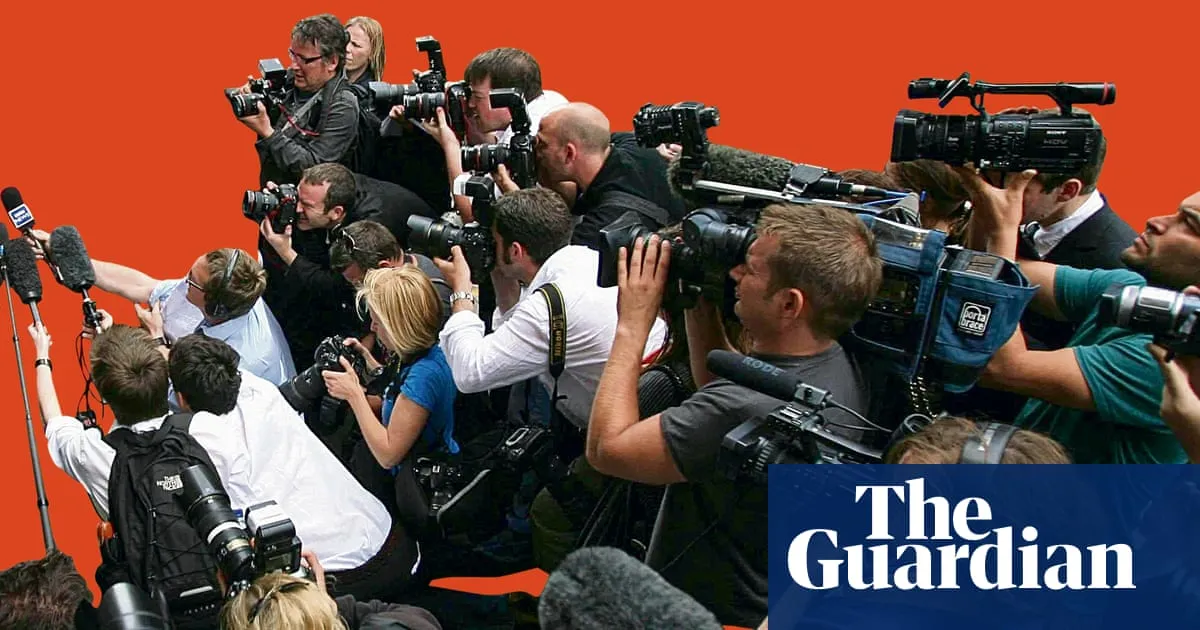
The Guardian - World NewsFIG 01
Reading time
3min
Word count
712words
Sources cited
3cited
Entities identified
11entities
Quality score
100%
§ 01
Briefing Summary
AI-generatedNEWSAR · AI
A government-backed investigation in the UK found that a third of journalists have altered their reporting due to safety fears, leading to a narrowing of public discourse. Hundreds of journalists anonymously reported increased nervousness about their security, with some avoiding or changing coverage on topics like rightwing protests, the Trump administration, and trans issues due to intimidation. The study, which surveyed 531 journalists, revealed a widespread belief that abuse linked to reporting has increased, particularly online, and that newsrooms are "normalizing" these risks. Female journalists reported facing a disproportionate amount of gendered and sexualized harassment. The investigation attributes these intensified risks to declining public trust, "fake news" narratives, and blurred boundaries between journalists and the public.
Confidence 0.90Sources 3Claims 5Entities 11
§ 02
Article analysis
Model · rule-basedFraming
Social Justice
Political Strategy
Tone
Mixed Tone
AI-assessed
CalmNeutralAlarmist
Factuality
0.70 / 1.00
Factual
LowHigh
Sources cited
3
Well sourced
FewMany
§ 03
Key claims
5 extracted01
Anti-immigration protests were most widely referenced by journalists as causing safety concerns.
factualstudy
Confidence
0.90
02
Female journalists face the brunt of abuse, including gendered and sexualised harassment.
factualstudy
Confidence
0.90
03
A third of UK journalists have changed how or what they report over fears for safety.
statisticstudy
Confidence
0.90
04
Journalists are self-censoring reporting on rightwing protests, Trump administration, and trans issues due to safety concerns.
factualstudy
Confidence
0.85
05
Newsrooms are accused of "normalising" the risks journalists face.
quotestudy
Confidence
0.80
§ 04
Full report
3 min read · 712 words§ 05
Entities
11 identifiedKey playerOppositionContextPositiveNeutralNegative
Organizations4
Locations3
§ 06
Keywords & salience
10 termsjournalist safety
1.00
self-censorship
0.90
intimidation
0.80
hostility to media
0.70
online abuse
0.60
anti-immigration protests
0.50
trans issues
0.50
gendered harassment
0.40
public conversation
0.40
trump administration
0.40
§ 07
Topic connections
Interactive graph Network visualization showing 51 related topics
View Full Graph Person Organization Location Event|Click node to navigate|Edge numbers = shared articles