Three Israeli citizens facing conscription into the Israel-defense-forces" class="entity-link entity-organization" data-entity-id="391" data-entity-type="organization">Israel Defense Forces have been granted the right to reapply for protection visas in Australia, after a government tribunal found they held a genuine fear they would be forced to break International humanitarian law in Gaza.The Administrative Review Tribunal found the punishment the young adults could face from the state of Israel – including imprisonment as conscientious objectors – would amount to persecution.Part of a family group, three siblings faced mandatory national service if they were returned to Israel, and held a genuine belief they would be forced to “engage in breaches of International humanitarian law”.The tribunal found there were “credible allegations that Israel’s military operations in the Gaza Strip are in breach of International humanitarian law” and that international opinion was that the IDF’s actions in Gaza were disproportionate. It found the three siblings were refugees facing persecution from the state of Israel, and Australia had a legal obligation to protect them.The family’s case went before the tribunal in October last year. The decision was published in March.The family – a husband and wife and their children – arrived in Australia on the husband’s working visa a decade ago.That visa expired, and the family applied for protection visas in 2024, six months after the Hamas-led attacks of 7 October 2023 sparked the current conflict in Gaza and Israel. Their application for protection was rejected by the government.On appeal to the tribunal, the family claimed they were not safe from terrorist attacks anywhere in Israel and had “lost faith in the ability of the state of Israel to protect its citizens”, citing previous terrorist attacks by Hamas and being forced to live in bunkers for sustained periods.This argument was not accepted by the tribunal. While the tribunal found the family was at risk of being injured or killed by a Hamas rocket attack, it said any harm they suffered would not be the result of “discriminatory conduct aimed at them”.“Rather, it would be because they were a casualty of the armed conflict between Israel and Hamas. The applicants do not meet the refugee criterion in relation to this aspect of their claims.”However, the couple’s eldest child – who, along with two siblings, had reached the age of 18 – told the tribunal she and her siblings had vowed to refuse the national service compulsory for Israeli citizens.“She gave evidence that she and [her two siblings] had made a pact between themselves that they would refuse to serve in the Israel Defence Forces (the IDF).“The basis of their refusal to serve in the IDF was that they would be required to serve in the Israel-Palestinian conflict on the Gaza Strip, and as part of that conflict may be forced to engage in breaches of International humanitarian law. The tribunal accepts that these views are genuinely held.”The tribunal said it accepted that the three adult siblings “would be liable to terms of imprisonment of up to two years for refusing to serve in the IDF”.The tribunal noted that arrest warrants had been issued by the international criminal court against the Israeli prime minister, Benjamin Netanyahu, and the former defence minister Yoav Gallant on allegations of war crimes and crimes against humanity, including murder.The tribunal also noted the United Nations Commission of Inquiry had reported that “Israel authorities and Israeli security forces have committed and are continuing to commit genocide against the Palestinians in the Gaza Strip”.“The International Criminal Court arrest warrant and the United Nations Commission of Inquiry report contain credible allegations that Israel’s military operations in the Gaza Strip are in breach of International humanitarian law,” the tribunal said.“This is a situation where Israel’s military operations are not currently considered by the international community to be proportionate in the means used to achieve a legitimate national objective of Israel.”The tribunal said it was not required to express any “concluded views” as to whether Israel had engaged in acts of genocide and noted Netanyahu and Gallant were “entitled to a presumption of innocence” before the ICC.The tribunal argued that the enforcement of Israel’s national service laws – and the expected punishment for refusing to serve – “would amount to persecution” of the adult siblings in the family.“The tribunal is satisfied that the risk of imprisonment faced by the [siblings] for refusal to do military service would involve a real chance of serious harm to them. The essential and significant reason for this persecution would be the political opinion underlying their refusal to do compulsory military service.“There are no reasonable steps the [siblings] could take to modify their behaviour to avoid the threat of serious harm. As the risk of persecution comes from the state itself, the tribunal finds that state protection is not available. The risk of harm also extends to all areas of Israel.”The tribunal ruled the three adult siblings facing conscription into the IDF met Australia’s obligations for protection under the refugees convention: that is, they faced a “well-founded fear of persecution” in their home country. The entire family should be afforded protection, the tribunal found.The tribunal ordered that the family’s application for protection visas be reconsidered.The Guardian sought comment from the Department of Home Affairs.
SRCThe Guardian - World News
LANGEN
LEANCenter-Left
WORDS863
ENT8
SUN · 2026-07-26 · 15:00 GMTBRIEF NSR-2026-0726-96147
NSR-2026-0726-96147News Report·EN·Legal & Judicial
Israeli siblings who fear breaking law in Gaza under IDF owed protection by Australia, tribunal finds
An Australian tribunal has granted three Israeli siblings the right to reapply for protection visas, finding they face persecution for refusing mandatory military service in the Israel Defense Forces. The siblings genuinely fear being forced to violate international humanitarian law in Gaza, and the tribunal accepted that imprisonment for conscientious objection would constitute persecution.
Ben DohertyThe Guardian - World NewsFiled 2026-07-26 · 15:00 GMTLean · Center-LeftRead · 4 min
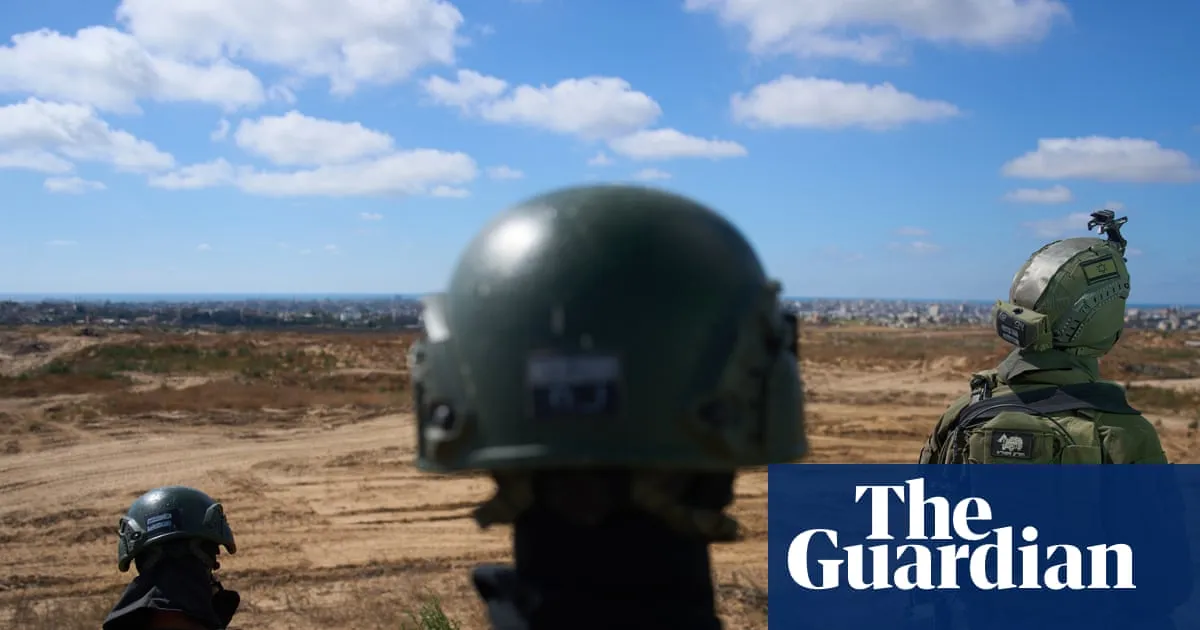
The Guardian - World NewsFIG 01
Reading time
4min
Word count
863words
Sources cited
1cited
Entities identified
8entities
Quality score
100%
§ 01
Briefing Summary
AI-generatedNEWSAR · AI
An Australian tribunal has granted three Israeli siblings the right to reapply for protection visas, finding they face persecution for refusing mandatory military service in the Israel Defense Forces. The siblings genuinely fear being forced to violate international humanitarian law in Gaza, and the tribunal accepted that imprisonment for conscientious objection would constitute persecution. This decision acknowledges credible allegations that Israel's military operations in Gaza breach international humanitarian law. The family, who arrived in Australia a decade ago, had their initial protection visa application rejected. The tribunal, however, ruled that the siblings' refusal to serve, based on their political opinions regarding the conflict, puts them at risk of serious harm from the Israeli state.
Confidence 0.90Sources 1Claims 5Entities 8
§ 02
Article analysis
Model · rule-basedFraming
Legal & Judicial
Human Rights
Tone
Measured
AI-assessed
CalmNeutralAlarmist
Factuality
0.80 / 1.00
Factual
LowHigh
Sources cited
1
Limited
FewMany
§ 03
Key claims
5 extracted01
The family applied for protection visas in 2024, six months after the Hamas-led attacks of 7 October 2023.
factualArticle
Confidence
1.00
02
The tribunal found there were credible allegations that Israel’s military operations in Gaza are in breach of international humanitarian law.
factualAdministrative Review Tribunal
Confidence
1.00
03
The tribunal found the siblings were refugees facing persecution from the state of Israel and Australia had a legal obligation to protect them.
factualAdministrative Review Tribunal
Confidence
1.00
04
The tribunal found the siblings held a genuine fear they would be forced to break international humanitarian law in Gaza.
factualAdministrative Review Tribunal
Confidence
1.00
05
Three Israeli citizens were granted the right to reapply for protection visas in Australia by a government tribunal.
factualAdministrative Review Tribunal
Confidence
1.00
§ 04
Full report
4 min read · 863 words§ 05
Entities
8 identifiedKey playerOppositionContextPositiveNeutralNegative
Organizations3
§ 06
Keywords & salience
10 termsinternational humanitarian law
1.00
protection visas
1.00
conscientious objectors
0.90
administrative review tribunal
0.90
israel defense forces
0.80
gaza strip
0.70
persecution
0.60
refugees
0.50
mandatory national service
0.50
hamas
0.40
§ 07
Topic connections
Interactive graph Network visualization showing 51 related topics
View Full Graph Person Organization Location Event|Click node to navigate|Edge numbers = shared articles