Train drivers are considering strike action over a lack of toilets, with unions saying basic needs are still not addressed a year after the rail regulator told operators to provide more facilities and breaks.Aslef said it was “putting the industry on notice”. The train drivers’ union added that companies had failed to deliver adequate toilets and reduce maximum driving times without a toilet break.A 2024 report by Aslef from a survey of its members found widespread issues, with many drivers unable to reach working toilets and many resorting to urinating in bottles or defecating in the cabs.The report said it had become a significant health and safety problem, with drivers left dehydrated because they were not drinking enough in order to avoid requiring a toilet break – putting passengers and staff at risk.The union believed it had secured a breakthrough last summer when operators signed up to a charter set out by the rail safety board after a long campaign.Richard Hines, HM chief inspector of railways at the Office of Rail and Road (ORR), wrote to train operators on 29 July 2025 telling them that “reliable welfare facilities [are] a basic requirement in any civilised society”. He said the current situation where some staff “lack adequate facilities or the time to use them, is unacceptable. This is a matter of human dignity, health, safety and respect to our people.”Dave Calfe, the general secretary of Aslef, said: “We need action, not broken promises, to improve toilet facilities for drivers and to reduce the time drivers are expected to go without being able to take a toilet break. The health and wellbeing of our members is not a price we are prepared to pay for the inaction of the industry.”The union said female drivers were particularly affected, and the situation was a deterrent to the railway’s attempts to recruit more women in the cab.The welfare charter, which should have been implemented within 12 months, requires “safe, clean, accessible and dignified” toilets across the railway, and a maximum time of four hours in the driving seat without the chance to go to the toilet.In the ORR’s annual report published this month, it said that despite the strong initial commitment and sign-up to the charter, “progress has been uneven and industry momentum has slowed. Key barriers remain, particularly around coordination, shared access to facilities, and consistent delivery.”Conditions such as deep vein thrombosis, bladder issues, prostate cancer and colorectal cancer are believed to be linked to lack of toilet breaks.Calfe said: “A year after train companies promised to do the right thing, drivers are still paying with their health for industry inaction. The industry and the government cannot continue failing the workforce on the most basic level, and we need action now.”Strike action on the railway has been relatively limited since pay deals in 2024 ended almost two years of intermittent nationwide action at the end of the Covid pandemic. However, ballots are under way for drivers at LNER and Avanti; while RMT members at East Midlands railway will strike on 1 August over issues with its new trains.The Unite union has also been campaigning for better toilets for bus drivers and lorry drivers, describing the lack of toilet facilities as a huge problem.skip past newsletter promotionafter newsletter promotionWayne King, Unite’s national officer for passenger transport, said: “There are still nowhere enough toilets available for bus drivers. It’s the employer’s responsibility and they’re failing miserably. Drivers are using bottles as toilets, women are using she-pees with bottles. This has a dramatic impact on women during menstruation and menopause and members with underlying health conditions.“During hot weather, drivers are not hydrating properly because they know there’s no toilets available on routes. This is a potential serious safety risk on multiple levels and can lead to the development of serious health conditions.”Adrian Jones, Unite’s national officer for road transport, said: “Despite repeated promises by government and employers, there has been no real improvement in availability of toilets for lorry drivers.“We need better access at delivery collection points, better and more roadside facilities and value for money at motorway service areas.”A Department for Transport spokesperson said: “Train operators are legally required to provide suitable toilet facilities for their staff, and we expect them to meet these obligations.“We strongly encourage industry to work together to ensure access to these facilities, and these kinds of welfare issues will be considered as we move towards Great British Railways.”
SRCThe Guardian - World News
LANGEN
LEANCenter-Left
WORDS737
ENT11
TUE · 2026-07-28 · 04:00 GMTBRIEF NSR-2026-0728-96661
NSR-2026-0728-96661News Report·EN·Human Rights
Train drivers in Great Britain consider strike action over lack of toilets
Train drivers in Great Britain are considering strike action due to a persistent lack of adequate toilet facilities, a year after the rail regulator, the Office of Rail and Road (ORR), mandated improvements. The train drivers' union, Aslef, has put the industry on notice, stating that companies have failed to provide sufficient toilets and reduce maximum driving times without a break.
Gwyn Topham Transport correspondentThe Guardian - World NewsFiled 2026-07-28 · 04:00 GMTLean · Center-LeftRead · 3 min
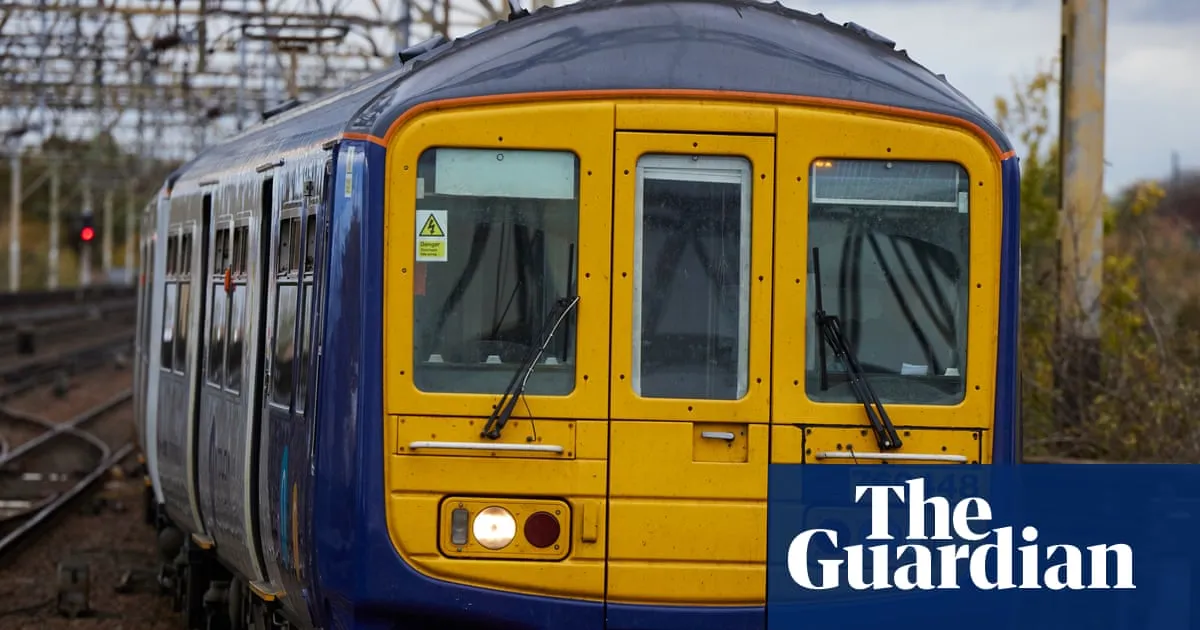
The Guardian - World NewsFIG 01
Reading time
3min
Word count
737words
Sources cited
3cited
Entities identified
11entities
Quality score
100%
§ 01
Briefing Summary
AI-generatedNEWSAR · AI
Train drivers in Great Britain are considering strike action due to a persistent lack of adequate toilet facilities, a year after the rail regulator, the Office of Rail and Road (ORR), mandated improvements. The train drivers' union, Aslef, has put the industry on notice, stating that companies have failed to provide sufficient toilets and reduce maximum driving times without a break. A survey by Aslef revealed drivers resorting to urinating in bottles or defecating in cabs, leading to dehydration and health risks. Despite a welfare charter signed last summer requiring accessible, clean toilets and a four-hour limit without a break, progress has been uneven. Female drivers are particularly affected, and the issue is seen as a deterrent to recruitment. Unite union also reports similar problems for bus and lorry drivers. The Department for Transport stated train operators are legally required to provide suitable facilities.
Confidence 0.90Sources 3Claims 5Entities 11
§ 02
Article analysis
Model · rule-basedFraming
Human Rights
Public Health
Tone
Mixed Tone
AI-assessed
CalmNeutralAlarmist
Factuality
0.70 / 1.00
Factual
LowHigh
Sources cited
3
Well sourced
FewMany
§ 03
Key claims
5 extracted01
HM Chief Inspector of Railways stated that the current situation is unacceptable and a matter of human dignity, health, safety, and respect.
quoteRichard Hines, HM Chief Inspector of Railways
Confidence
1.00
02
Train drivers are considering strike action due to a lack of adequate toilet facilities and breaks.
factualAslef
Confidence
0.90
03
The lack of toilet access is a significant health and safety problem, leading to dehydration and potential risks to passengers and staff.
factualAslef
Confidence
0.85
04
Progress on implementing a welfare charter for railway staff has been uneven, with momentum slowing.
factualOffice of Rail and Road (ORR)
Confidence
0.80
05
A 2024 Aslef report found many drivers resort to urinating in bottles or defecating in cabs due to lack of toilets.
statisticAslef
Confidence
0.80
§ 04
Full report
3 min read · 737 words§ 05
Entities
11 identifiedKey playerOppositionContextPositiveNeutralNegative
Locations1
§ 06
Keywords & salience
10 termstrain drivers
1.00
toilet facilities
1.00
strike action
1.00
health and safety
0.90
welfare facilities
0.80
rail regulator
0.70
human dignity
0.60
working conditions
0.50
aslef
0.50
recruitment
0.40
§ 07
Topic connections
Interactive graph No topic relationship data available yet. This graph will appear once topic relationships have been computed.