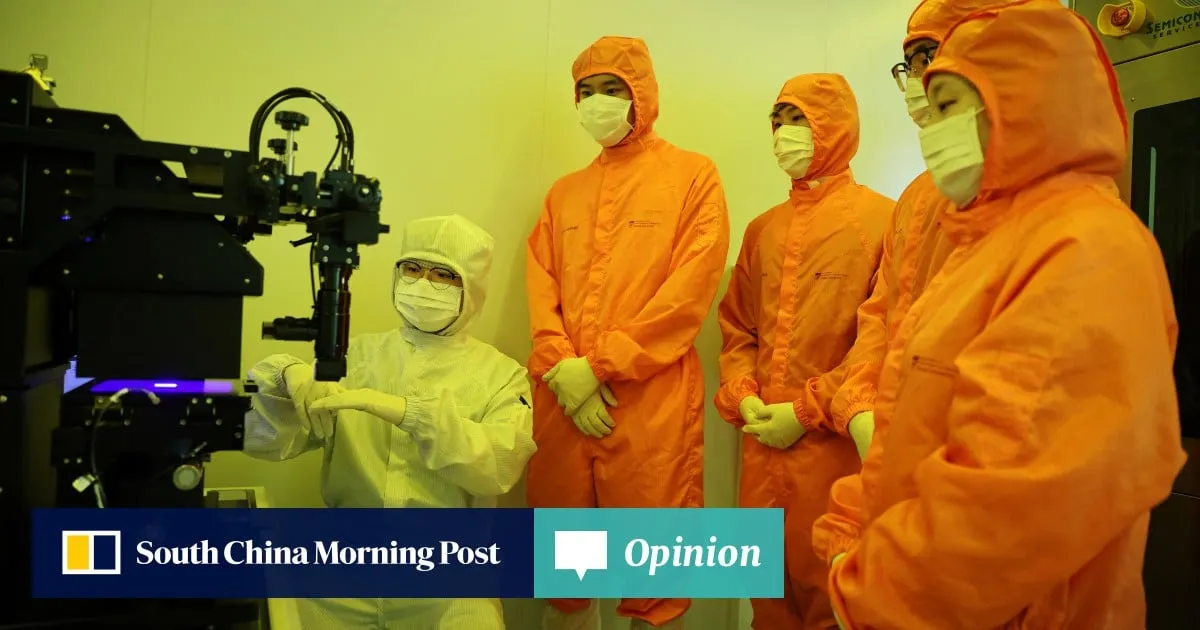
Hwaseong, South Korea, past midnight. An engineer watches a defect pattern surface on her screen – the kind that, caught now, saves a week of wafers. She is locked in, fully absorbed, the way engineers get when a breakthrough is close. But she has to go home. The law says so.Yet something is disrupting the clock she races against. Artificial Intelligence is quietly rewriting what her hours are worth.On June 29, South Korean President Lee Jae Myung stood alongside the leaders of Samsung Electronics and SK Hynix to unveil an 800 trillion won (US$548 billion) semiconductor initiative, part of industrial plans expected to be the largest in the nation’s history. Within days, the debate shifted from capital to constraints. South Korea’s leading newspapers converged on a remarkably consistent message: before investing another won, fix the laws that limit workers to a 52-hour week.
SRCSouth China Morning Post
LANGEN
LEANCenter-Right
WORDS143
ENT8
WED · 2026-07-29 · 21:30 GMTBRIEF NSR-2026-0729-97289
NSR-2026-0729-97289News Report·EN·Technology
In an era defined by AI, can work still be measured by the clock?
South Korea is facing a debate about its 52-hour workweek law, particularly in light of a massive semiconductor initiative. The country's President Lee Jae Myung, alongside leaders from Samsung Electronics and SK Hynix, announced an 800 trillion won (US$548 billion) semiconductor investment.
David KimSouth China Morning PostFiled 2026-07-29 · 21:30 GMTLean · Center-RightRead · 1 min
South China Morning PostFIG 01
Reading time
1min
Word count
143words
Sources cited
0cited
Entities identified
8entities
Quality score
100%
§ 01
Briefing Summary
AI-generatedNEWSAR · AI
South Korea is facing a debate about its 52-hour workweek law, particularly in light of a massive semiconductor initiative. The country's President Lee Jae Myung, alongside leaders from Samsung Electronics and SK Hynix, announced an 800 trillion won (US$548 billion) semiconductor investment. However, leading South Korean newspapers are arguing that before further investment, the laws limiting workers to a 52-hour week need to be addressed. This discussion is prompted by situations where highly engaged engineers, like one working past midnight in Hwaseong, are legally required to stop working, raising questions about how artificial intelligence might be impacting the value and measurement of work hours.
Confidence 0.85Claims 4Entities 8
§ 02
Article analysis
Model · rule-basedFraming
Technology
Economic Impact
Tone
Measured
AI-assessed
CalmNeutralAlarmist
Factuality
0.60 / 1.00
Mixed
LowHigh
Sources cited
0
No named sources
FewMany
§ 03
Key claims
4 extracted01
South Korea unveiled an 800 trillion won (US$548 billion) semiconductor initiative.
statisticSouth Korean President Lee Jae Myung, Samsung Electronics, SK Hynix
Confidence
1.00
02
The law limits workers to a 52-hour week.
factual
Confidence
0.90
03
South Korean newspapers converged on a message to fix laws limiting workers to a 52-hour week before investing more.
factualSouth Korean leading newspapers
Confidence
0.80
04
Artificial intelligence is quietly rewriting what an engineer's hours are worth.
factual
Confidence
0.70
§ 04
Full report
1 min read · 143 words§ 05
Entities
8 identifiedKey playerOppositionContextPositiveNeutralNegative
People1
Organizations2
§ 06
Keywords & salience
8 termsartificial intelligence
1.00
work hours
0.90
semiconductor industry
0.80
labor laws
0.70
south korea
0.60
productivity
0.50
innovation
0.40
economic policy
0.40
§ 07
Topic connections
Interactive graph Network visualization showing 51 related topics
View Full Graph Person Organization Location Event|Click node to navigate|Edge numbers = shared articles