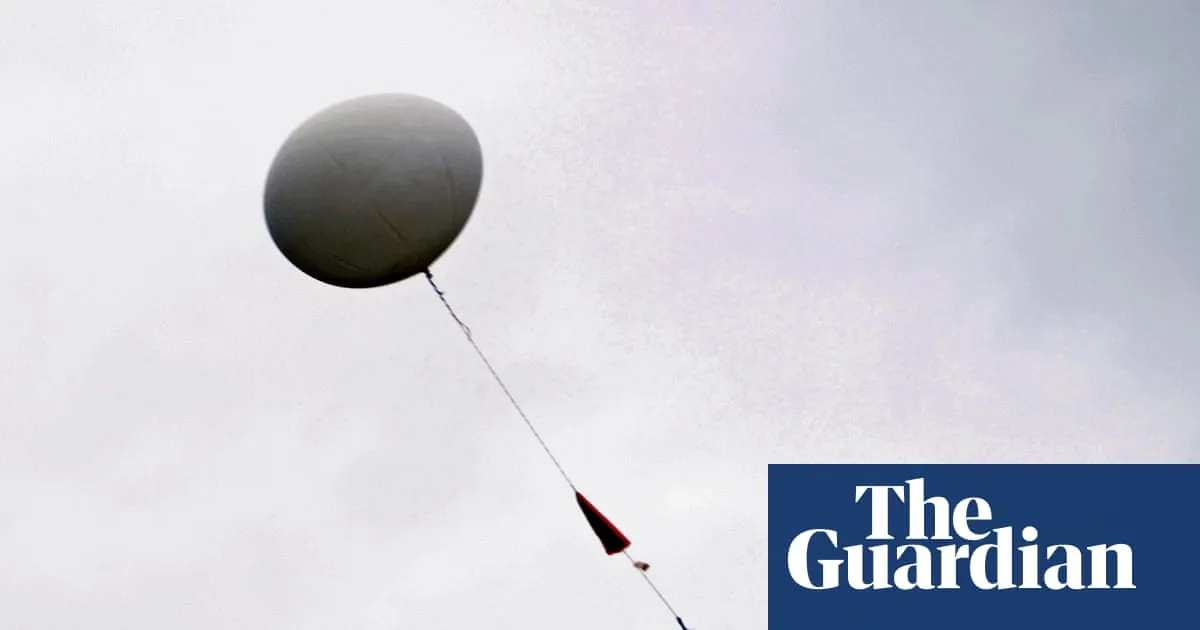
Weather happens in the boundary layer, the atmosphere from ground level to a few thousand metres, but this can be difficult to study in detail: weather stations are too low, and aircraft are expensive. Instrumented weather balloons are the traditional solution, and thousands are released every day. But these are at the mercy of the wind and use irreplaceable helium.drones offer an alternative and the US company Meteomatics has taken the idea further with Meteobase, a base station on the ground with a drone that can be launched and recovered automatically. It carries out a pre-programmed flight, gathering data at different altitudes, then returns to recharge and download data which the Meteobase sends to researchers.The base is highly weather resistant and keeps the drone at a comfortable temperature. It can send out one data-gathering mission a day, or multiple flights to monitor fog, icing, an advancing weather front, or other fast-changing conditions. Such a setup could potentially replace labour-intensive and expensive balloon launches.weather balloons carrying instruments have been in regular use since the 1930s. They have become part of popular culture, partly because they sometimes get mistaken for UFOs, or are used as a throwaway “explanation” for UFO sightings. Future flying saucer spotters may be equally well entertained by weather drones bearing flashing lights.
SRCThe Guardian - World News
LANGEN
LEANCenter-Left
WORDS214
ENT8
FRI · 2026-07-31 · 05:00 GMTBRIEF NSR-2026-0731-97742
NSR-2026-0731-97742News Report·EN·Technology
Drones offer alternative to balloons for weather research
Drones are emerging as a viable alternative to traditional weather balloons for studying the atmospheric boundary layer. The US company Meteomatics has developed Meteobase, an automated system featuring a ground station and a drone.
David HamblingThe Guardian - World NewsFiled 2026-07-31 · 05:00 GMTLean · Center-LeftRead · 1 min
The Guardian - World NewsFIG 01
Reading time
1min
Word count
214words
Sources cited
1cited
Entities identified
8entities
Quality score
100%
§ 01
Briefing Summary
AI-generatedNEWSAR · AI
Drones are emerging as a viable alternative to traditional weather balloons for studying the atmospheric boundary layer. The US company Meteomatics has developed Meteobase, an automated system featuring a ground station and a drone. This drone can autonomously launch, conduct pre-programmed flights to collect data at various altitudes, and then return to recharge and download its findings. The Meteobase then transmits this data to researchers. This technology offers a more controlled and potentially less expensive method for gathering detailed atmospheric information compared to wind-dependent balloons that rely on helium. The Meteobase system is designed to be weather-resistant and can perform multiple missions daily to monitor dynamic weather phenomena.
Confidence 0.90Sources 1Claims 5Entities 8
§ 02
Article analysis
Model · rule-basedFraming
Technology
Economic Impact
Tone
Measured
AI-assessed
CalmNeutralAlarmist
Factuality
0.80 / 1.00
Factual
LowHigh
Sources cited
1
Limited
FewMany
§ 03
Key claims
5 extracted01
Weather balloons have been in use since the 1930s and are sometimes mistaken for UFOs.
factual
Confidence
1.00
02
The Meteobase system can launch, recover, and recharge drones automatically for pre-programmed flights.
factual
Confidence
1.00
03
Meteomatics has developed Meteobase, an automated system with a ground station and drone for weather data collection.
factualMeteomatics
Confidence
1.00
04
Drones offer an alternative to traditional weather balloons for studying the atmospheric boundary layer.
factual
Confidence
1.00
05
The drone setup could potentially replace labor-intensive and expensive balloon launches.
factual
Confidence
0.90
§ 04
Full report
1 min read · 214 words§ 05
Entities
8 identifiedKey playerOppositionContextPositiveNeutralNegative
Organizations1
§ 06
Keywords & salience
9 termsweather research
1.00
drones
1.00
boundary layer
0.90
weather balloons
0.80
meteobase
0.70
meteomatics
0.70
data gathering
0.60
atmospheric data
0.50
ufo sightings
0.40
§ 07
Topic connections
Interactive graph Network visualization showing 32 related topics
View Full Graph Person Organization Location Event|Click node to navigate|Edge numbers = shared articles