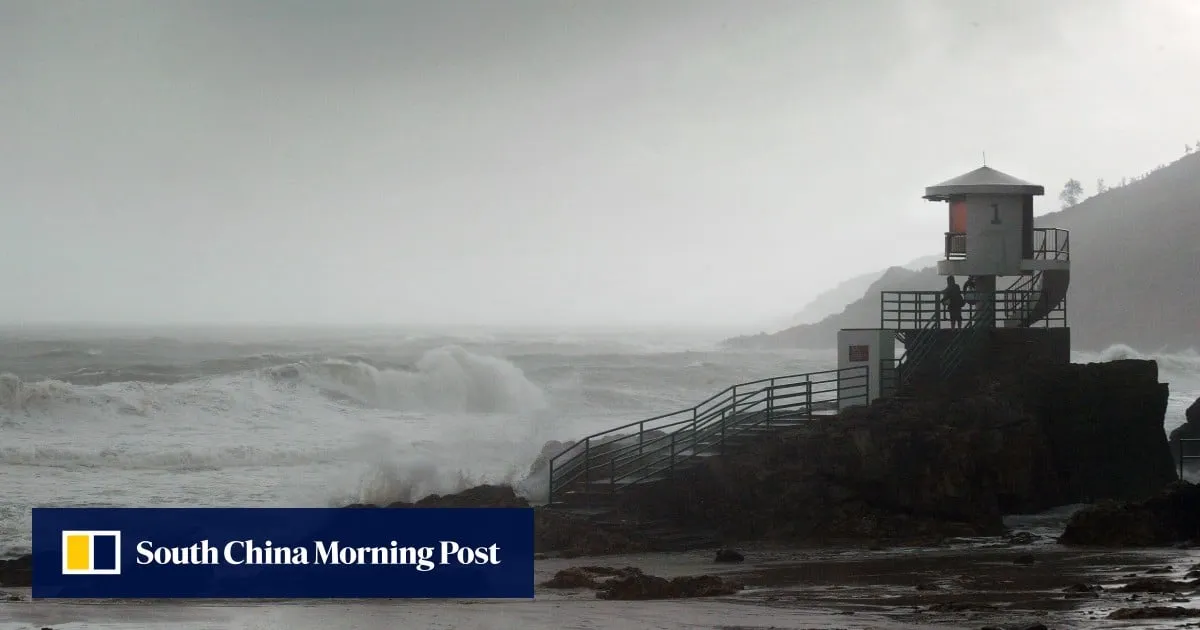
This article was first published on August 4, 2006.Observatory lashed over typhoon signalby Agnes Lam, Clifford Lo and Martin WongThe Observatory was under fire yesterday (August 3, 2006) for not hoisting a storm warning above the No 3 as Typhoon Prapiroon lashed some parts of the city with winds of up to 200km/h.Unions said workers had been put in danger as they had gone to work as required because a No 8 signal had not been hoisted, while the swirling winds toppled cargo, blew down trees, caused traffic and flight chaos and stranded thousands of people at the airport.
SRCSouth China Morning Post
LANGEN
LEANCenter-Right
WORDS99
ENT6
SUN · 2026-08-02 · 03:30 GMTBRIEF NSR-2026-0802-98271
NSR-2026-0802-98271News Report·EN·Human Interest
Public anger in Hong Kong over low signal during 2006 Typhoon Prapiroon – SCMP archive
In August 2006, Hong Kong's Observatory faced public criticism for not raising the storm warning signal higher than No. 3 during Typhoon Prapiroon.
SCMPSouth China Morning PostFiled 2026-08-02 · 03:30 GMTLean · Center-RightRead · 1 min
South China Morning PostFIG 01
Reading time
1min
Word count
99words
Sources cited
1cited
Entities identified
6entities
Quality score
100%
§ 01
Briefing Summary
AI-generatedNEWSAR · AI
In August 2006, Hong Kong's Observatory faced public criticism for not raising the storm warning signal higher than No. 3 during Typhoon Prapiroon. Despite winds reaching up to 200 km/h in some areas, the Observatory's decision meant workers were required to go to their jobs, putting them in danger. Unions voiced concerns that this led to workers being exposed to hazardous conditions. The typhoon's strong winds caused significant disruption, toppling cargo, felling trees, creating traffic and flight chaos, and stranding thousands at the airport.
Confidence 0.85Sources 1Claims 4Entities 6
§ 02
Article analysis
Model · rule-basedFraming
Human Interest
Economic Impact
Tone
Mixed Tone
AI-assessed
CalmNeutralAlarmist
Factuality
0.70 / 1.00
Factual
LowHigh
Sources cited
1
Limited
FewMany
§ 03
Key claims
4 extracted01
The typhoon's effects included toppled cargo, downed trees, traffic and flight chaos, and thousands stranded at the airport.
factualAgnes Lam, Clifford Lo and Martin Wong
Confidence
1.00
02
Unions stated that workers were put in danger by having to go to work without a No 8 signal being hoisted.
quoteUnions
Confidence
1.00
03
The Observatory was criticized for not hoisting a storm warning above No 3 as Typhoon Prapiroon hit Hong Kong.
factualAgnes Lam, Clifford Lo and Martin Wong
Confidence
1.00
04
Typhoon Prapiroon caused winds of up to 200km/h in some parts of the city.
statisticAgnes Lam, Clifford Lo and Martin Wong
Confidence
0.90
§ 04
Full report
1 min read · 99 words§ 05
Entities
6 identifiedKey playerOppositionContextPositiveNeutralNegative
People3
Organizations1
Locations1
§ 06
Keywords & salience
8 termstyphoon prapiroon
1.00
storm warning
0.90
public anger
0.80
hong kong observatory
0.70
worker safety
0.60
airport disruption
0.50
traffic chaos
0.50
high winds
0.40
§ 07
Topic connections
Interactive graph No topic relationship data available yet. This graph will appear once topic relationships have been computed.