Thousands of years ago, a handful of burgeoning civilisations were forming the earliest cultures of what would evolve into China.Among these peoples were the Shimao, who constructed majestic walls that were mistakenly believed to be part of the China" class="entity-link entity-location" data-entity-id="68512" data-entity-type="location">Great Wall of China until jade artefacts were discovered, dating the infrastructure to be much older.The Shimao inhabited Shaanxi, in central China, between 2300–1800 BC, a period so remote that traditional archaeology faces limitations in uncovering the specifics of who they were and where they originated.However, recent technological advancements, such as sophisticated DNA analysis, are enabling modern researchers to paint a more detailed portrait of the first people to settle in China.One such study, recently published in the peer-reviewed journal Nature, made a shocking discovery of clear evidence that the Shimao people routinely practised human sacrifice based on a gendered belief system.It appears that women were sacrificed at different locations, presumably for varying reasons, than their male counterparts. For instance, male sacrifices were concentrated around an eastern gate, while female sacrifices occurred near elite cemeteries.The researchers hypothesised that the men were sacrificed in connection with the wall-building process, while women were part of a tradition of “ancestor veneration” and “women were sacrificed to honour elite nobles or rulers.”A prehistoric stone face carving built directly into the defensive city walls at the Shimao Neolithic Site, c. 2300 BC. Photo: Wikipedia“The lack of kinship between the elite tomb owners and the sacrificed people in the tombs may suggest that graves were centred around social elites and their families, and the sacrifice rite was administered according to social status,” wrote the authors.The discovery of gendered sacrifice indicates a highly organised system, likely tied to a complex society.The study also revealed that the Shimao people were likely descendants of the Yangshao culture, which first emerged around the Yellow River circa 5000 BC.“Ancient DNA studies are interesting because they show us previous population histories. For example, by comparing ancient DNA results at one site with other previous genetic samples, we can figure out if groups were related to each other or migrated into different parts of Asia,” said Michael Rivera, a bioanthropologist and bioarchaeologist at The University of Hong Kong who was not involved in the study.Further Reading“In this case, the Shimao population was found to be related to groups who lived in the same region even earlier. They were not recent migrants or conquerors, but evolved locally and were connected to communities in Shanxi and Inner Mongolia,” Rivera told the SCMP.The researchers agreed, with their studies suggesting significant ethnic and cultural continuity that endured for centuries. There was also some DNA blending with the Taosi Culture in southern Shanxi and the Yumin people from Inner Mongolia. The DNA presence of Yumin genetics was particularly enduring, indicating a long and vibrant co-mingling between the Shimao and Yumin people.Drawing of a freestanding stone column statue excavated from the Shimao Neolithic Site, c. 2300–1800 BC. Photo: WikipediaFurthermore, the Yumin and Taosi represented the only notable instances of DNA co-mingling, suggesting that the Shimao did not interact as closely with other nearby cultures.Finally, the team found evidence that power was passed down through generations, resembling the monarchies of later historical periods. While the power structure appeared patriarchal, women managed to attain the highest seats of power.“The elite tomb samples here had family lineages spanning several generations, so this could be a sign that there was a social system or hierarchy of sorts, with power dynamics baked into their society,” said Rivera.“I think how identities and social hierarchies could possibly have been regulated by elites at the time is really interesting. There is a set of 4,000-year-old politics there that is fascinating to consider.”
SRCSouth China Morning Post
LANGEN
LEANCenter-Right
WORDS613
ENT12
SUN · 2026-08-02 · 08:00 GMTBRIEF NSR-2026-0802-98332
NSR-2026-0802-98332News Report·EN·Human Interest
From gendered sacrifice to ancient politics: DNA lifts shroud on early Chinese civilisation
Recent DNA analysis of the Shimao people, who inhabited Shaanxi, China between 2300–1800 BC, has revealed significant insights into their society. Researchers discovered evidence of routine human sacrifice with a gendered belief system, where men and women were sacrificed in different locations, possibly for distinct reasons related to wall-building and ancestor veneration respectively.
Kevin McSpaddenSouth China Morning PostFiled 2026-08-02 · 08:00 GMTLean · Center-RightRead · 3 min
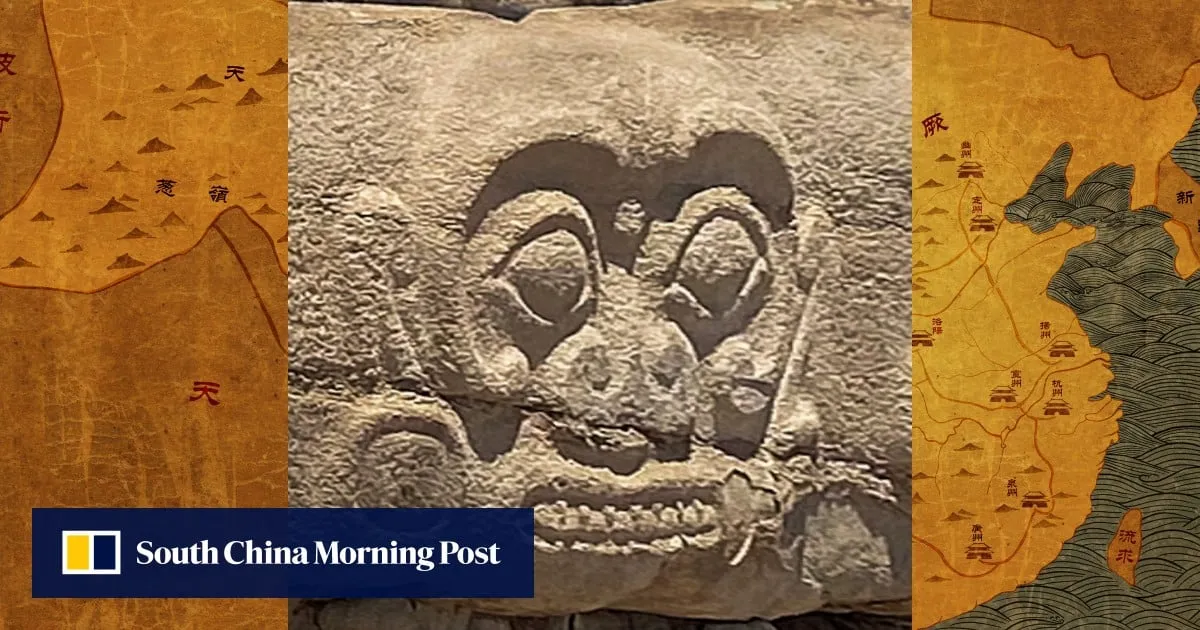
South China Morning PostFIG 01
Reading time
3min
Word count
613words
Sources cited
2cited
Entities identified
12entities
Quality score
100%
§ 01
Briefing Summary
AI-generatedNEWSAR · AI
Recent DNA analysis of the Shimao people, who inhabited Shaanxi, China between 2300–1800 BC, has revealed significant insights into their society. Researchers discovered evidence of routine human sacrifice with a gendered belief system, where men and women were sacrificed in different locations, possibly for distinct reasons related to wall-building and ancestor veneration respectively. The study indicates the Shimao were likely descendants of the Yangshao culture and evolved locally, with some genetic blending with the Taosi and Yumin cultures. Furthermore, evidence suggests a hierarchical social system with power passed down through generations, and a patriarchal structure where women could attain high positions.
Confidence 0.90Sources 2Claims 5Entities 12
§ 02
Article analysis
Model · rule-basedFraming
Human Interest
Technology
Tone
Mixed Tone
AI-assessed
CalmNeutralAlarmist
Factuality
0.80 / 1.00
Factual
LowHigh
Sources cited
2
Limited
FewMany
§ 03
Key claims
5 extracted01
The Shimao population was found to be related to groups who lived in the same region even earlier, evolving locally.
quoteMichael Rivera
Confidence
1.00
02
The Shimao constructed majestic walls mistakenly believed to be part of the Great Wall of China.
factual
Confidence
0.95
03
Male sacrifices were concentrated around an eastern gate, while female sacrifices occurred near elite cemeteries.
factualstudy in Nature
Confidence
0.90
04
Shimao people routinely practiced human sacrifice based on a gendered belief system.
factualstudy in Nature
Confidence
0.90
05
The Shimao people were likely descendants of the Yangshao culture, which emerged around the Yellow River circa 5000 BC.
factualstudy in Nature
Confidence
0.85
§ 04
Full report
3 min read · 613 words§ 05
Entities
12 identifiedKey playerOppositionContextPositiveNeutralNegative
Organizations3
Locations4
§ 06
Keywords & salience
10 termsgendered sacrifice
1.00
shimao culture
1.00
ancient dna analysis
0.90
early chinese civilisation
0.80
neolithic site
0.70
ancestor veneration
0.60
social status
0.50
yangshao culture
0.40
archaeology
0.40
jade artefacts
0.40
§ 07
Topic connections
Interactive graph No topic relationship data available yet. This graph will appear once topic relationships have been computed.