The recent drama surrounding US action in Venezuela, its renewed interest in Greenland and tariff threats on governments that object, along with comments on Cuba, Colombia and Mexico, appear disjointed – part diplomacy, part law enforcement, part political theatre.Like many observers, I rely on the news to try to make sense of the policy logic and what it may mean for those who have to live with its consequences.Washington’s rationale for its actions in Venezuela was initially framed as law enforcement against narcoterrorism. Within days of the arrest of the president and his wife, the action was reframed as a matter of safeguarding the country’s oil revenues – and ultimately increasing production capacity – in the interests of both America and Venezuela.The administration invoked the Monroe Doctrine, asserting that the western hemisphere should remain an exclusive sphere of US influence. It made clear its desire to prevent China and Russia from strengthening their presence in the region.These measures signal Washington’s belief in policing the western hemisphere through tariffs, gunboats and special forces to deter external rivals, whether in the Arctic or the Caribbean. While much of the rhetoric focused on sovereignty and the rule of law, its underlying intent was unmistakably strategic: to deny China and Russia valuable footholds in Venezuela’s energy and infrastructure sectors.The renewed focus on Greenland as a US security priority follows a similar pattern. The US military base there is a key link in missile warning, missile defence and space surveillance. The island is also rich in critical minerals vital to digital infrastructure, energy and advanced weapons systems.
SRCSouth China Morning Post
LANGEN
LEANCenter-Right
WORDS262
ENT11
FRI · 2026-01-23 · 01:30 GMTBRIEF NSR-2026-0123-9868
NSR-2026-0123-9868Analysis·EN·Political Strategy
From Venezuela to Greenland, Trump is using US power to rewrite the rules
The United States, under the Trump administration, has been taking actions in Venezuela, Greenland, and elsewhere that suggest a strategy of asserting its influence and rewriting international rules. Actions in Venezuela, initially framed as law enforcement against narcoterrorism, shifted to safeguarding oil revenues and preventing Chinese and Russian influence in the region.
Bernard ChanSouth China Morning PostFiled 2026-01-23 · 01:30 GMTLean · Center-RightRead · 2 min
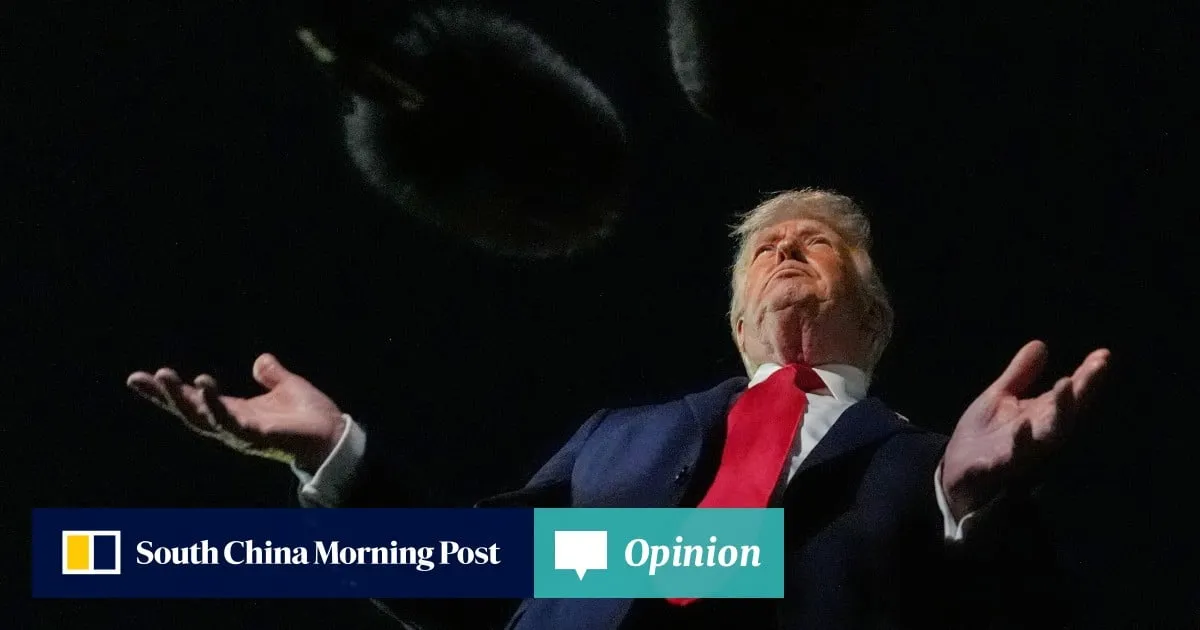
South China Morning PostFIG 01
Reading time
2min
Word count
262words
Sources cited
0cited
Entities identified
11entities
Quality score
100%
§ 01
Briefing Summary
AI-generatedNEWSAR · AI
The United States, under the Trump administration, has been taking actions in Venezuela, Greenland, and elsewhere that suggest a strategy of asserting its influence and rewriting international rules. Actions in Venezuela, initially framed as law enforcement against narcoterrorism, shifted to safeguarding oil revenues and preventing Chinese and Russian influence in the region. The administration invoked the Monroe Doctrine to justify its actions in the Western Hemisphere. A renewed focus on Greenland stems from its strategic importance for missile defense and its wealth of critical minerals. These actions, including tariff threats, signal a US intent to police the Western Hemisphere and deter rivals in the Arctic and Caribbean, securing strategic footholds in energy and infrastructure sectors.
Confidence 0.90Claims 4Entities 11
§ 02
Article analysis
Model · rule-basedFraming
Political Strategy
National Security
Tone
Measured
AI-assessed
CalmNeutralAlarmist
Factuality
0.40 / 1.00
Mixed
LowHigh
Sources cited
0
No named sources
FewMany
§ 03
Key claims
4 extracted01
The administration invoked the Monroe Doctrine, asserting that the western hemisphere should remain an exclusive sphere of US influence.
factualnull
Confidence
1.00
02
Washington’s rationale for its actions in Venezuela was initially framed as law enforcement against narcoterrorism.
factualnull
Confidence
0.90
03
The US military base in Greenland is a key link in missile warning, missile defence and space surveillance.
factualnull
Confidence
0.80
04
The underlying intent was unmistakably strategic: to deny China and Russia valuable footholds in Venezuela’s energy and infrastructure sectors.
predictionnull
Confidence
0.60
§ 04
Full report
2 min read · 262 words§ 05
Entities
11 identifiedKey playerOppositionContextPositiveNeutralNegative
Locations9
§ 06
Keywords & salience
10 termsus foreign policy
0.90
venezuela
0.80
geopolitics
0.70
great power competition
0.70
greenland
0.60
monroe doctrine
0.60
russia
0.50
china
0.50
tariffs
0.40
strategic interests
0.40
§ 07
Topic connections
Interactive graph Network visualization showing 51 related topics
View Full Graph Person Organization Location Event|Click node to navigate|Edge numbers = shared articles