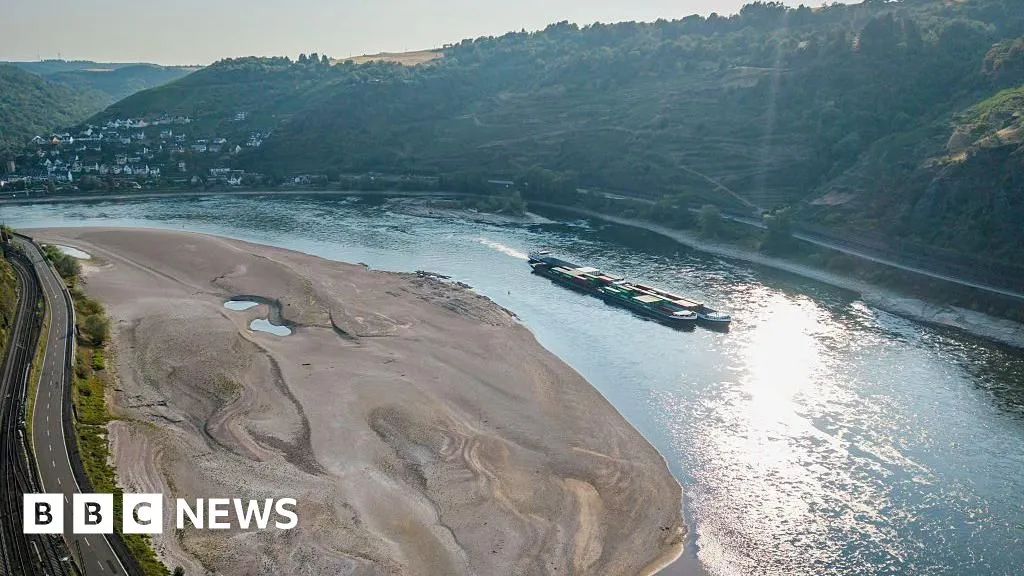
On Friday, the navigable water depth at the chokepoint of Kaub near Koblenz hit the 2018 record low of 25cm, before recovering slightly on Monday. The Kaub gauging station in western Germany is a key indicator of navigability on the Rhine because it measures how heavily cargo vessels can be loaded. Low water levels measured there can severely restrict inland shipping.Martin Wolters of the Rhine-waterways-and-shipping-authority" class="entity-link entity-organization" data-entity-id="177483" data-entity-type="organization">Rhine Waterways and Shipping Authority told German outlet WDR that although shipping on the Rhine was unlikely to be suspended altogether, precautions would have to be taken, such as spreading out cargo among more vessels to make them less heavy. In time, this can result in higher transport costs and supply bottlenecks, Wolters said."There comes a time when loads are too small to be worthwhile or vessel owners are worried about damaging their ships," one commodity trader told Reuters.Last week, the waters of the Danube fell to the lowest levels for 30 years in several countries, including Serbia and Romania, forcing Hungary to shut down its only nuclear power plant."We don't know when we will be able to restart [the plant]," Prime Minister Peter Magyar said on Monday. "We hope that it will happen as soon as possible and we hope that the cooling, liberating rain that the forecasters do not yet see coming will arrive."The drought of the Danube is also causing serious disruption to power supplies in Serbia and Romania.
SRCBBC News - World
LANGEN
LEANCenter
WORDS236
ENT12
MON · 2026-08-03 · 14:38 GMTBRIEF NSR-2026-0803-98720
NSR-2026-0803-98720News Report·EN·Economic Impact
Rhine falls to record low levels as drought strains Europe's rivers
Europe's major rivers, including the Rhine, Danube, and Po, are experiencing record low water levels due to drought, significantly impacting transportation and electricity generation. The Rhine's navigable depth at Kaub, Germany, reached a 2018 record low of 25cm, forcing cargo vessels to carry lighter loads, potentially leading to higher transport costs and supply bottlenecks.
1 hour agoShareSaveAdd as preferred on GoogleLaura GozziBBC News - WorldFiled 2026-08-03 · 14:38 GMTLean · CenterRead · 1 min
BBC News - WorldFIG 01
Reading time
1min
Word count
236words
Sources cited
3cited
Entities identified
12entities
Quality score
100%
§ 01
Briefing Summary
AI-generatedNEWSAR · AI
Europe's major rivers, including the Rhine, Danube, and Po, are experiencing record low water levels due to drought, significantly impacting transportation and electricity generation. The Rhine's navigable depth at Kaub, Germany, reached a 2018 record low of 25cm, forcing cargo vessels to carry lighter loads, potentially leading to higher transport costs and supply bottlenecks. On the Danube, water levels have fallen to 30-year lows in countries like Serbia and Romania, prompting Hungary to shut down its only nuclear power plant due to insufficient cooling water. Officials are awaiting rain to resume operations and alleviate power supply disruptions in Serbia and Romania.
Confidence 0.90Sources 3Claims 5Entities 12
§ 02
Article analysis
Model · rule-basedFraming
Economic Impact
Environmental
Tone
Measured
AI-assessed
CalmNeutralAlarmist
Factuality
0.80 / 1.00
Factual
LowHigh
Sources cited
3
Well sourced
FewMany
§ 03
Key claims
5 extracted01
Vessel owners may worry about damaging ships or find loads too small to be worthwhile due to low water.
quotecommodity trader
Confidence
1.00
02
Danube river levels fell to 30-year lows, forcing Hungary to shut down its only nuclear power plant.
factualPrime Minister Peter Magyar
Confidence
1.00
03
Low water levels on the Rhine can severely restrict inland shipping and lead to higher transport costs.
factualMartin Wolters (Rhine Waterways and Shipping Authority)
Confidence
1.00
04
Rhine river water levels at Kaub fell to a record low of 25cm, impacting cargo vessel loading.
statisticRhine Waterways and Shipping Authority
Confidence
1.00
05
Drought on the Danube is causing serious disruption to power supplies in Serbia and Romania.
factual
Confidence
0.90
§ 04
Full report
1 min read · 236 words§ 05
Entities
12 identifiedKey playerOppositionContextPositiveNeutralNegative
Locations8
Topics1
§ 06
Keywords & salience
10 termsdrought
1.00
record low levels
1.00
rhine
0.90
inland shipping
0.80
danube
0.70
cargo vessels
0.60
supply bottlenecks
0.50
transport costs
0.50
power supplies
0.40
nuclear power plant
0.40
§ 07
Topic connections
Interactive graph Network visualization showing 7 related topics
View Full Graph Person Organization Location Event|Click node to navigate|Edge numbers = shared articles