If Andy Burnham wanted to demonstrate he was the anti-Keir Starmer, the first fortnight could not have gone better. Instead of painting a gloomy picture of tough times and an economic black hole that would only improve with sacrifices such as cutting winter fuel allowance, Burnham’s first week was a blitz of small wins including cutting bus fares.But the new prime minister can only control so much. And like Starmer, within his first days in office he found himself facing immediate decisions where every call will make you unpopular. And – like Starmer – blaming your predecessor counts for nothing with an angry public.On Monday, the first day of the prime minister’s planned holiday with his family, the call had to be made on the early release of prisoners to stop the prison system becoming overwhelmed. Burnham excluded those convicted of rape, serious child sexual offences and grooming from the scheme. But some killers – including two who were convicted of the manslaughter of PC Andrew Harper – will be eligible.In an article for the Telegraph, where frustration seeped from every syllable, Burnham admitted he had not wanted to take that decision and had hoped to find a way to stop even more convicts from being released early, some just a third into their sentences. “The truth is I wanted to go even further … I have pushed to the very limits of what is possible to do,” he said.Unlike the situation that Starmer and the then justice secretary, Shabana Mahmood, faced, this was not quite the emergency early release that was needed in 2024 because prison capacity was at crisis level.The government cannot in this case escape that this was the culmination of months of planning and legislation. This was the designed effect of the Sentencing Act, which was due to come into effect in September, a more managed way to avert the same issue. But whichever way you look at it, releasing killers, abusers and sex offenders early will always have a high human cost.Ministers who were in Starmer’s first cabinet still talk with fury about the situation they inherited from the Conservatives in the summer of 2024, when just a handful of prison places were available in some regions before police would have had to stop making arrests.Mahmood in particular was scarred by the experience of the summer riots following the Southport murders, when prison capacity threatened the state’s ability to arrest the brawlers.But the careful planning of this managed early release – while the state builds more prison capacity – met the reality of the human impact over the summer as letters began to land from victims and families, including Harper’s widow, about the early release of perpetrators.Burnham paused the scheme when he entered office as criticism mounted – but he could not avoid the decision for ever. Even with the exclusion of sex offenders, he will please few with the choice to proceed and is likely to have to revisit the issue in the coming months if prisons start to reach crisis capacity again.In his article, Burnham made clear the impossible choice he had faced, one which might give him more sympathy for his deposed predecessor. “I know I can look people in the eye and say to them there is nothing more I could have asked for without risking the prison system collapsing within months,” he wrote.There will be more of those big calls coming down the tracks where decisions will probably please no one and potentially inflame the parliamentary party – the immigration bill, welfare, Send changes, the war with Iran, the Palestine Action ban, North Sea oil and gas. The true test of enduring popularity will be how he navigates those hardest days rather than the sugar rush of his first fortnight.
SRCThe Guardian - World News
LANGEN
LEANCenter-Left
WORDS630
ENT10
TUE · 2026-08-04 · 11:23 GMTBRIEF NSR-2026-0804-98955
NSR-2026-0804-98955Analysis·EN·Political Strategy
Prisoner early release scheme gives Burnham his first taste of unpopularity
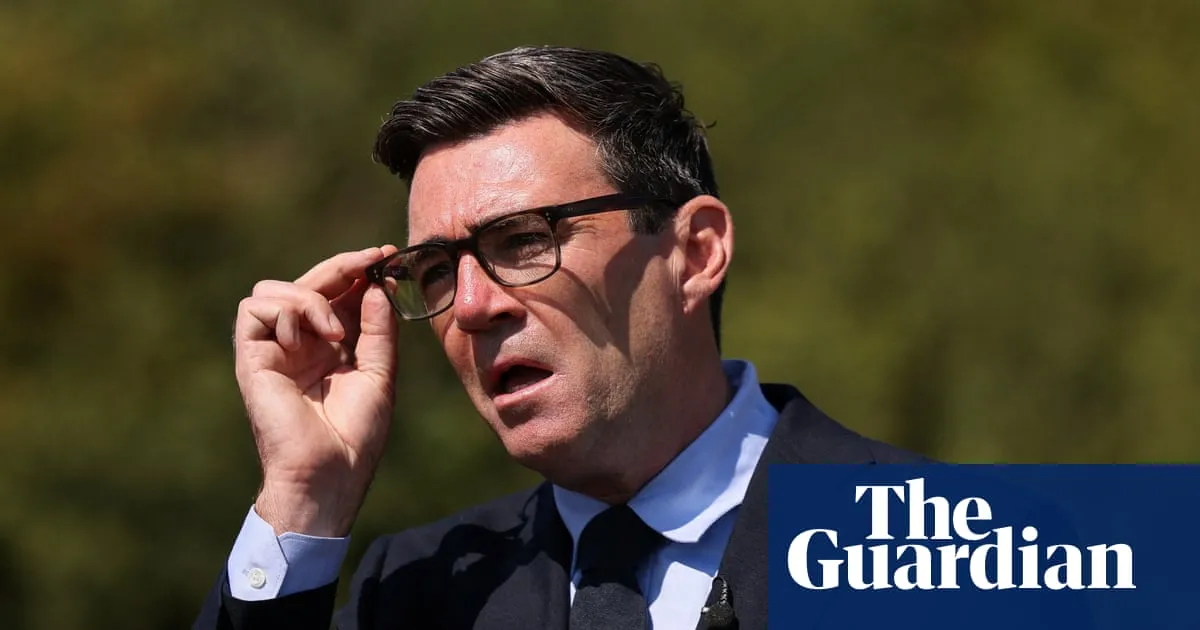
Prime Minister Andy Burnham faced his first significant unpopular decision regarding an early prisoner release scheme designed to prevent prison overcrowding. While Burnham excluded those convicted of rape, serious child sexual offenses, and grooming, some individuals convicted of manslaughter, including those related to PC Andrew Harper's death, are eligible.
Jessica Elgot Deputy political editorThe Guardian - World NewsFiled 2026-08-04 · 11:23 GMTLean · Center-LeftRead · 3 min
The Guardian - World NewsFIG 01
Reading time
3min
Word count
630words
Sources cited
2cited
Entities identified
10entities
Quality score
100%
§ 01
Briefing Summary
AI-generatedNEWSAR · AI
Prime Minister Andy Burnham faced his first significant unpopular decision regarding an early prisoner release scheme designed to prevent prison overcrowding. While Burnham excluded those convicted of rape, serious child sexual offenses, and grooming, some individuals convicted of manslaughter, including those related to PC Andrew Harper's death, are eligible. Burnham admitted he had hoped to prevent even more convicts from early release, pushing the limits of what was possible. This decision, a culmination of months of planning and legislation under the Sentencing Act, has drawn criticism from victims' families. Burnham paused the scheme upon taking office but ultimately proceeded, acknowledging the difficult choice and anticipating more unpopular decisions on issues like immigration and welfare.
Confidence 0.90Sources 2Claims 5Entities 10
§ 02
Article analysis
Model · rule-basedFraming
Political Strategy
Legal & Judicial
Tone
Mixed Tone
AI-assessed
CalmNeutralAlarmist
Factuality
0.40 / 1.00
Mixed
LowHigh
Sources cited
2
Limited
FewMany
§ 03
Key claims
5 extracted01
Burnham admitted he had not wanted to take the decision on early prisoner release and had hoped to stop even more convicts from being released early.
quoteAndy Burnham (quoted)
Confidence
1.00
02
Two individuals convicted of the manslaughter of PC Andrew Harper will be eligible for early release.
factualarticle
Confidence
0.90
03
Andy Burnham's early release scheme excludes those convicted of rape, serious child sexual offenses, and grooming.
factualarticle
Confidence
0.90
04
The Sentencing Act was designed to avert prison capacity crises in a more managed way.
factualarticle
Confidence
0.80
05
Releasing killers, abusers, and sex offenders early will always have a high human cost.
factualarticle
Confidence
0.70
§ 04
Full report
3 min read · 630 words§ 05
Entities
10 identifiedKey playerOppositionContextPositiveNeutralNegative
People4
Organizations1
Events3
§ 06
Keywords & salience
10 termsearly release scheme
1.00
prisoner release
0.90
prison system
0.80
sentencing act
0.70
public unpopularity
0.70
andy burnham
0.60
prison capacity
0.50
justice secretary
0.50
keir starmer
0.40
political decisions
0.40
§ 07
Topic connections
Interactive graph Network visualization showing 51 related topics
View Full Graph Person Organization Location Event|Click node to navigate|Edge numbers = shared articles