This could help explain its prevalence in Risaralda, Chocó and Valle del Cauca, neighbouring departments that either are home to, or border, large Afro-Colombian populations.Another theory is that the birth of an intersex child, hundreds of years ago, left the community with a fear of the clitoris - with many older women believing that it will grow into a penis if not cut.Others think that it stems from the patriarchal belief that a woman with an organ associated with sexual pleasure is more likely to be promiscuous.Whatever its origin, Juliana Domico, the legal representative and chief Indigenous councillor to the Colombia" class="entity-link entity-organization" data-entity-id="178445" data-entity-type="organization">National Confederation of the Peoples of the Great Emberá Nation of Colombia, rejects the idea that the practice is cultural."Our culture is our clothing, our crafts, our dances and our language, not a practice that kills. Culture does not kill."She says the new law follows years of advocacy work within the community: "We hope the law is translated into public policy, with sufficient resources to implement it."Threats and hostilityQuiñonez says while FGM is considered a 'woman's issue', male authority figures have created obstacles to change
SRCBBC News - World
LANGEN
LEANCenter
WORDS185
ENT9
TUE · 2026-08-04 · 23:13 GMTBRIEF NSR-2026-0805-99175
NSR-2026-0805-99175News Report·EN·Human Rights
'My grandmother subjected my baby to female genital mutilation behind my back'
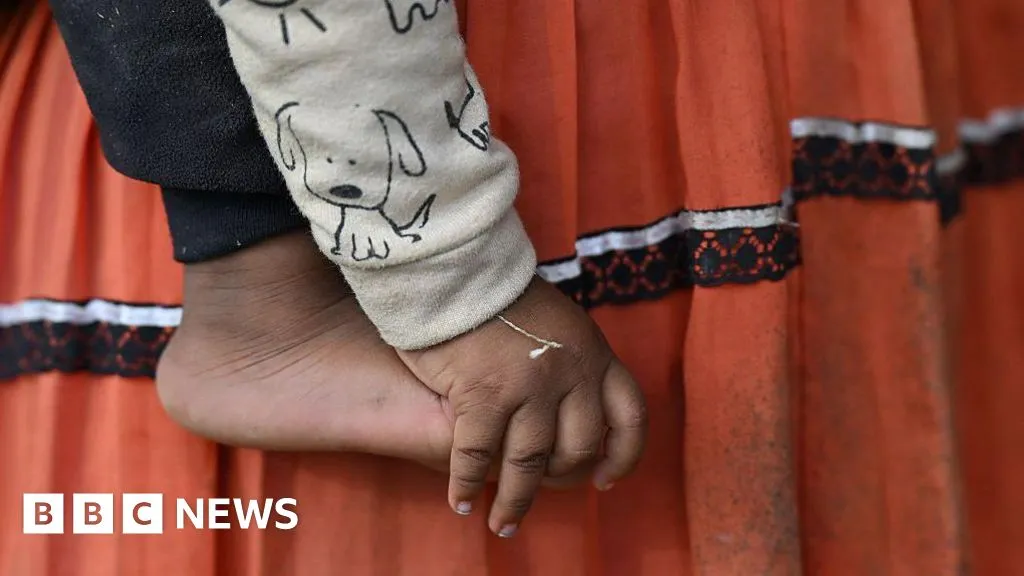
Colombia has enacted a landmark bill banning female genital mutilation (FGM), a practice still observed by some members of an indigenous group, particularly in departments with large Afro-Colombian populations. The origins of FGM in these communities are theorized to stem from fears related to intersex births or patriarchal beliefs about female promiscuity.
47 minutes agoBBC News - WorldFiled 2026-08-04 · 23:13 GMTLean · CenterRead · 1 min
BBC News - WorldFIG 01
Reading time
1min
Word count
185words
Sources cited
2cited
Entities identified
9entities
Quality score
100%
§ 01
Briefing Summary
AI-generatedNEWSAR · AI
Colombia has enacted a landmark bill banning female genital mutilation (FGM), a practice still observed by some members of an indigenous group, particularly in departments with large Afro-Colombian populations. The origins of FGM in these communities are theorized to stem from fears related to intersex births or patriarchal beliefs about female promiscuity. Indigenous leaders, like Juliana Domico, reject FGM as cultural, stating that true culture does not involve harm. This new law follows years of advocacy within the community, with hopes for its translation into public policy and sufficient resources for implementation. Male authority figures have reportedly created obstacles to change, despite FGM being considered a "woman's issue."
Confidence 0.90Sources 2Claims 5Entities 9
§ 02
Article analysis
Model · rule-basedFraming
Human Rights
Social Justice
Tone
Mixed Tone
AI-assessed
CalmNeutralAlarmist
Factuality
0.70 / 1.00
Factual
LowHigh
Sources cited
2
Limited
FewMany
§ 03
Key claims
5 extracted01
Juliana Domico rejects the idea that FGM is cultural, stating 'Our culture is our clothing, our crafts, our dances and our language, not a practice that kills. Culture does not kill.'
quoteJuliana Domico
Confidence
1.00
02
Female Genital Mutilation (FGM) is prevalent in Risaralda, Chocó, and Valle del Cauca, departments with large Afro-Colombian populations.
factual
Confidence
0.80
03
Male authority figures have created obstacles to change regarding FGM, even though it's considered a 'woman's issue'.
factualQuiñonez
Confidence
0.70
04
Another theory suggests FGM stems from patriarchal beliefs that a woman with a clitoris is more likely to be promiscuous.
factual
Confidence
0.60
05
One theory for FGM prevalence is the birth of an intersex child centuries ago, leading to a community fear of the clitoris.
factual
Confidence
0.60
§ 04
Full report
1 min read · 185 words§ 05
Entities
9 identifiedKey playerOppositionContextPositiveNeutralNegative
Organizations1
Locations4
§ 06
Keywords & salience
7 termsfemale genital mutilation
1.00
afro-colombian populations
0.70
indigenous councillor
0.60
public policy
0.50
patriarchal belief
0.50
male authority figures
0.40
cultural practice
0.40
§ 07
Topic connections
Interactive graph Network visualization showing 2 related topics
View Full Graph Person Organization Location Event|Click node to navigate|Edge numbers = shared articles