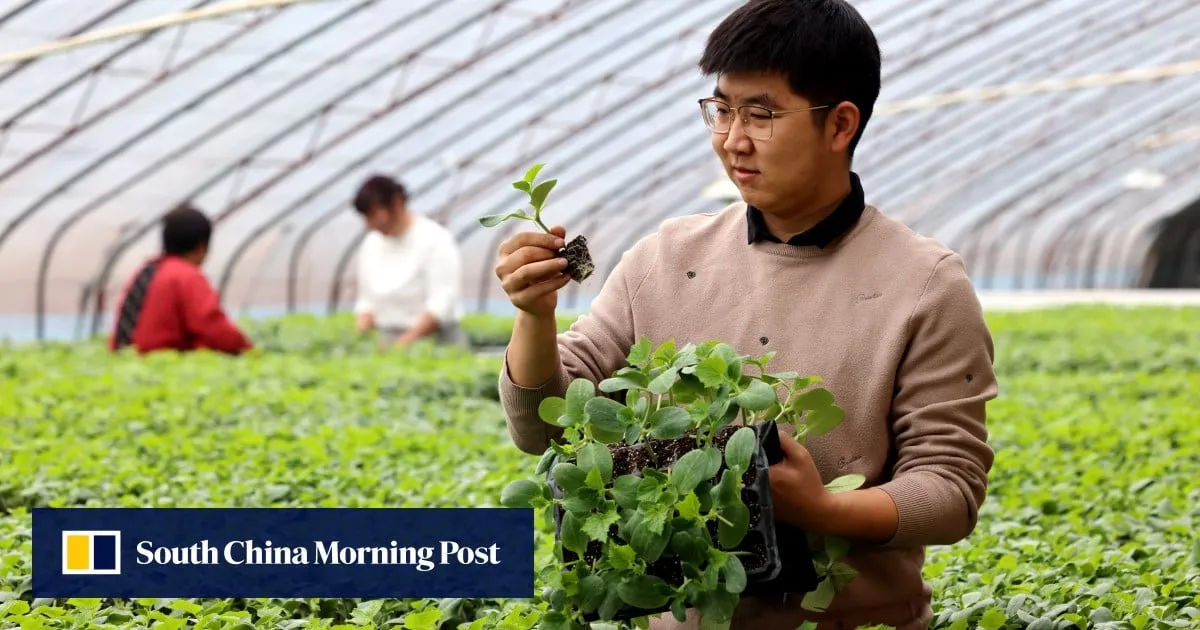
China is starting to reap the rewards of its food-security push into the seed sector, aggressively making a play for self-reliance with domestically developed varieties dubbed the “chips” of agriculture.This strategic push, authorities say, has seen the nation make substantial progress in developing and deploying its own vital crop and livestock genetics, aiming to reduce dependence amid global uncertainties.In this once innovation-deficient sector, the domestic breeding source market share for livestock and poultry; aquatic products; and vegetables now exceeds 80 per cent, 86 per cent and 91 per cent, respectively, a high-ranking agricultural official announced at a press conference on Thursday.“For some varieties where China’s breeding level used to be relatively low, not only have we developed our own varieties in recent years, but their market share has also increased rapidly,” said Zhang Xingwang, vice-minister of agriculture and rural affairs.The assessment comes five years after China launched a national campaign in 2021 to clean up the seed market – once filled with pirated and counterfeit crop seeds – while safeguarding the industry from geopolitical risks and the effects of climate change on crop production.It also looked to boost the independent research and development of new varieties after President Xi Jinping called for the “revitalisation of the seed industry”.
SRCSouth China Morning Post
LANGEN
LEANCenter-Right
WORDS208
ENT2
FRI · 2026-01-23 · 11:00 GMTBRIEF NSR-2026-0123-9969
NSR-2026-0123-9969News Report·EN·Political Strategy
Rooted in resilience: China’s seed push plants agricultural ‘chips’, grows self-reliance
China is making significant progress in its push for food security by developing domestic crop and livestock genetics, aiming for self-reliance amid global uncertainties. Since launching a national campaign in 2021, China has increased its domestic breeding source market share for livestock, poultry, aquatic products, and vegetables, now exceeding 80%, 86%, and 91% respectively.
Mandy ZuoSouth China Morning PostFiled 2026-01-23 · 11:00 GMTLean · Center-RightRead · 1 min
South China Morning PostFIG 01
Reading time
1min
Word count
208words
Sources cited
1cited
Entities identified
2entities
Quality score
100%
§ 01
Briefing Summary
AI-generatedNEWSAR · AI
China is making significant progress in its push for food security by developing domestic crop and livestock genetics, aiming for self-reliance amid global uncertainties. Since launching a national campaign in 2021, China has increased its domestic breeding source market share for livestock, poultry, aquatic products, and vegetables, now exceeding 80%, 86%, and 91% respectively. This initiative, spurred by President Xi Jinping's call to revitalize the seed industry, aims to reduce dependence on foreign varieties and safeguard the sector from geopolitical risks and climate change. The focus is on independent research and development of new varieties to replace pirated and counterfeit seeds that once dominated the market. These domestically developed varieties are considered the "chips" of agriculture, highlighting their strategic importance.
Confidence 0.90Sources 1Claims 5Entities 2
§ 02
Article analysis
Model · rule-basedFraming
Political Strategy
Economic Impact
Tone
Measured
AI-assessed
CalmNeutralAlarmist
Factuality
0.70 / 1.00
Factual
LowHigh
Sources cited
1
Limited
FewMany
§ 03
Key claims
5 extracted01
China launched a national campaign in 2021 to clean up the seed market.
factual
Confidence
1.00
02
Domestic breeding source market share for vegetables exceeds 91 per cent.
statistichigh-ranking agricultural official
Confidence
1.00
03
Domestic breeding source market share for aquatic products exceeds 86 per cent.
statistichigh-ranking agricultural official
Confidence
1.00
04
Domestic breeding source market share for livestock and poultry exceeds 80 per cent.
statistichigh-ranking agricultural official
Confidence
1.00
05
China is making progress in developing and deploying its own crop and livestock genetics.
factualauthorities
Confidence
0.80
§ 04
Full report
1 min read · 208 words§ 05
Entities
2 identifiedKey playerOppositionContextPositiveNeutralNegative
Organizations1
Locations1
§ 06
Keywords & salience
9 termsseed sector
0.90
self-reliance
0.80
food security
0.80
crop genetics
0.70
agricultural chips
0.60
domestic breeding
0.60
seed market
0.50
climate change
0.50
agricultural innovation
0.40
§ 07
Topic connections
Interactive graph Network visualization showing 51 related topics
View Full Graph Person Organization Location Event|Click node to navigate|Edge numbers = shared articles