Americans may seem increasingly divided on beliefs and values, but in a new survey of more than 30,000 adults from across the country spanning generations and economic classes, a majority of Americans agree there’s a significant barrier to achieving a better life: the rising cost of living.When asked to describe what a better life in three to five years would look like, 60% of Americans said they wanted greater financial security, according to a survey that was conducted by the McKinsey Institute for Economic Mobility and the WK Kellogg Foundation in mid-April.In interviews that accompanied the survey, respondents often defined financial security as being able to afford basic necessities without worry.“A better life for me and my family would look like being able to buy a home, and being able to afford all the basic necessities, rent, utilities, car, food, healthcare – as well as being able to have enough left over to save for the future for retirement and vacations,” said a 35-year-old respondent from Dearborn Heights, Michigan.Though it may appear to be a simple goal, many Americans believe it’s out of reach. Forty per cent of respondents described themselves as either “getting by but financially vulnerable” or “struggling to meet basic needs”. Groceries and food costs in particular are causing financial distress, with 90% of respondents listing it as their top cost-of-living concern, followed by housing, transportation and healthcare.One survey respondent, a 49-year-old father in Philadelphia, said that success to him was not about extravagant living, rather it was being able to afford his child’s field trips for school or help a family member struggling with their bills. “I just want to be comfortable,” he said.The survey is the latest illustration of how the rising cost of living is the defining challenge for many Americans today. Between higher gas prices, growing electricity bills and a housing market that feels out of reach, many everyday expenses have turned into everyday frustrations for Americans whose paychecks aren’t keeping up with rising inflation. A recent Harris poll that found 95% of Americans believe the country is undergoing an affordability crisis.This experience seems out of step with other parts of the economy, like the US stock market reaching record highs and the seemingly unstoppable rise of AI investment, that are growing.“While we spend a lot of time discussing some of these macroeconomic indicators – from the jobs report, to quarterly GDP growth, to what’s happening with interest rates – they alone can’t help us understand how people are actually experiencing the economy in their day-to-day lives,” said JP Julien, a partner at McKinsey involved in the research, during a news briefing.While Americans largely agreed that affordability was a key barrier to achieving a better quality of life, they diverged on what needs to be improved. Rural respondents were likely to say they needed better jobs and career pathways, while urban respondents said they wanted to see more affordable housing and improved safety.A majority (60%) of respondents said local, state and federal government was responsible for helping people get ahead – 20% more than other institutions including faith organizations, banks, non-profits and schooling systems. But only 30% reported that government institutions have been helpful. Instead, respondents ranked friends and family as the top group helping them get ahead, followed by employers.With this gap in support from the government and employers, community connectedness was a key indicator of how respondents felt more broadly about their outlook. Respondents who said they felt strongly connected to their communities were more than twice as likely to say they were in control of their lives and future and nearly four times as likely to say their lives had “momentum”. Only one-third of respondents, however, reported feeling this strong sense of community.“We’re not too connected with our community and neighborhood,” said a 61-year-old respondent from Los Angeles. “There are a few people that we know, but for the most part, most people keep to themselves.”
SRCThe Guardian - World News
LANGEN
LEANCenter-Left
WORDS656
ENT11
THU · 2026-08-06 · 11:00 GMTBRIEF NSR-2026-0806-99716
NSR-2026-0806-99716News Report·EN·Human Interest
Most Americans view rising living costs as biggest barrier to a better life, survey finds
A survey of over 30,000 US adults, conducted by the McKinsey Institute for Economic Mobility and the WK Kellogg Foundation, found that the rising cost of living is the primary barrier to a better life for most Americans. When asked about their aspirations for the next three to five years, 60% cited greater financial security as their goal.
Gaya GuptaThe Guardian - World NewsFiled 2026-08-06 · 11:00 GMTLean · Center-LeftRead · 3 min
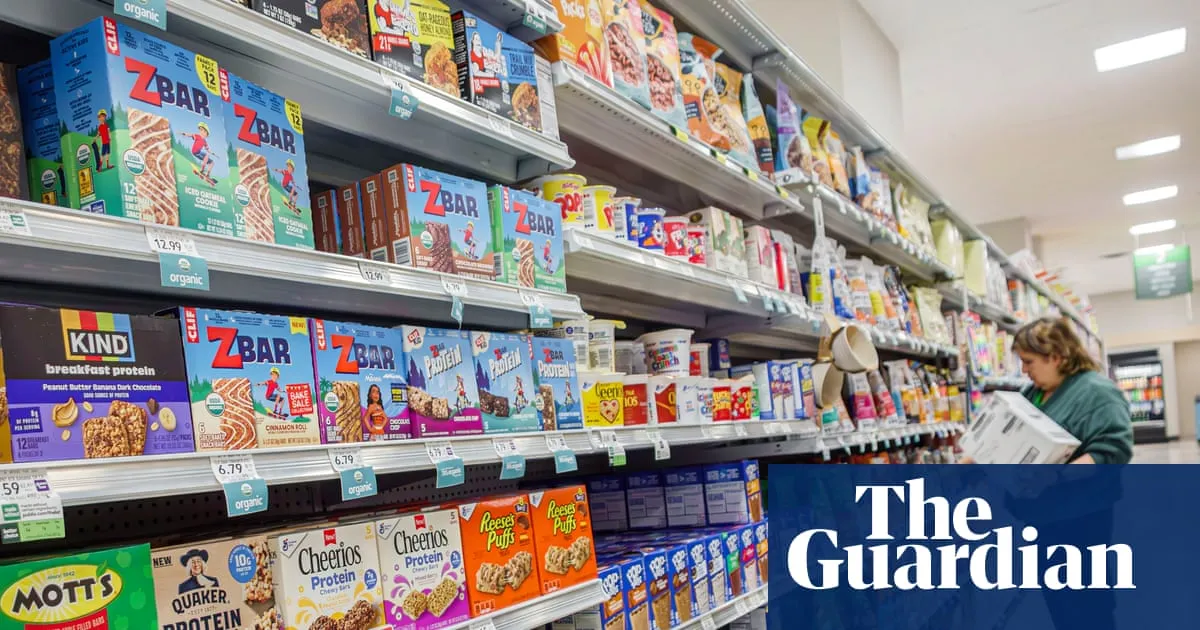
The Guardian - World NewsFIG 01
Reading time
3min
Word count
656words
Sources cited
2cited
Entities identified
11entities
Quality score
100%
§ 01
Briefing Summary
AI-generatedNEWSAR · AI
A survey of over 30,000 US adults, conducted by the McKinsey Institute for Economic Mobility and the WK Kellogg Foundation, found that the rising cost of living is the primary barrier to a better life for most Americans. When asked about their aspirations for the next three to five years, 60% cited greater financial security as their goal. Respondents frequently defined financial security as the ability to afford basic necessities without worry, with grocery and food costs being their top concern, followed by housing, transportation, and healthcare. While a majority believe government should help people get ahead, only 30% found government institutions helpful, with friends, family, and employers being ranked as more supportive.
Confidence 0.90Sources 2Claims 5Entities 11
§ 02
Article analysis
Model · rule-basedFraming
Human Interest
Economic Impact
Tone
Measured
AI-assessed
CalmNeutralAlarmist
Factuality
0.70 / 1.00
Factual
LowHigh
Sources cited
2
Limited
FewMany
§ 03
Key claims
5 extracted01
95% of Americans believe the country is undergoing an affordability crisis.
statisticHarris poll
Confidence
1.00
02
90% of respondents listed groceries and food costs as their top cost-of-living concern.
statisticMcKinsey Institute for Economic Mobility and WK Kellogg Foundation survey
Confidence
1.00
03
40% of respondents described themselves as either 'getting by but financially vulnerable' or 'struggling to meet basic needs'.
statisticMcKinsey Institute for Economic Mobility and WK Kellogg Foundation survey
Confidence
1.00
04
60% of Americans want greater financial security in three to five years.
statisticMcKinsey Institute for Economic Mobility and WK Kellogg Foundation survey
Confidence
1.00
05
A majority of Americans agree that the rising cost of living is a significant barrier to achieving a better life.
statisticMcKinsey Institute for Economic Mobility and WK Kellogg Foundation survey
Confidence
1.00
§ 04
Full report
3 min read · 656 words§ 05
Entities
11 identifiedKey playerOppositionContextPositiveNeutralNegative
Organizations3
Locations4
§ 06
Keywords & salience
10 termscost of living
1.00
financial security
0.90
affordability crisis
0.80
rising inflation
0.70
basic necessities
0.60
grocery costs
0.50
economic mobility
0.50
healthcare costs
0.40
mckinsey institute for economic mobility
0.40
housing costs
0.40
§ 07
Topic connections
Interactive graph Network visualization showing 51 related topics
View Full Graph Person Organization Location Event|Click node to navigate|Edge numbers = shared articles