BI
Belt and Road Initiative
Event Sports EventChina's Belt and Road Initiative faces competition, scrutiny, and geopolitical shifts amid global restructuring.
Total Coverage:20 articles
Last 7 Days:1
Velocity:-75.0%
Event Overview
The Belt and Road Initiative (BRI), China's ambitious infrastructure and investment project, is currently newsworthy due to a confluence of factors. Competition is intensifying, as evidenced by the EU's Global Gateway and the India-Middle East-Europe Economic Corridor, designed as alternatives. China's growing presence in regions like North Africa, fueled by BRI frameworks, presents structural challenges for Europe, particularly concerning energy security. Simultaneously, Chinese firms face increased scrutiny regarding fair competition in overseas markets, leading to regulatory pressure within China. The BRI's relevance is further shaped by geopolitical shifts, including the US-Israeli war with Iran and broader US-China competition in areas like artificial intelligence and diplomatic influence. Hong Kong's role as an intermediary for BRI is evolving, and universities are attracting more students from BRI countries. These developments highlight the BRI's ongoing impact and the complex global landscape it operates within.
Last updated: September 15, 2026
Summary Evolution
Coverage Timeline

Hong Kong’s ethnic minority groups can play key role in belt and road, summit hears
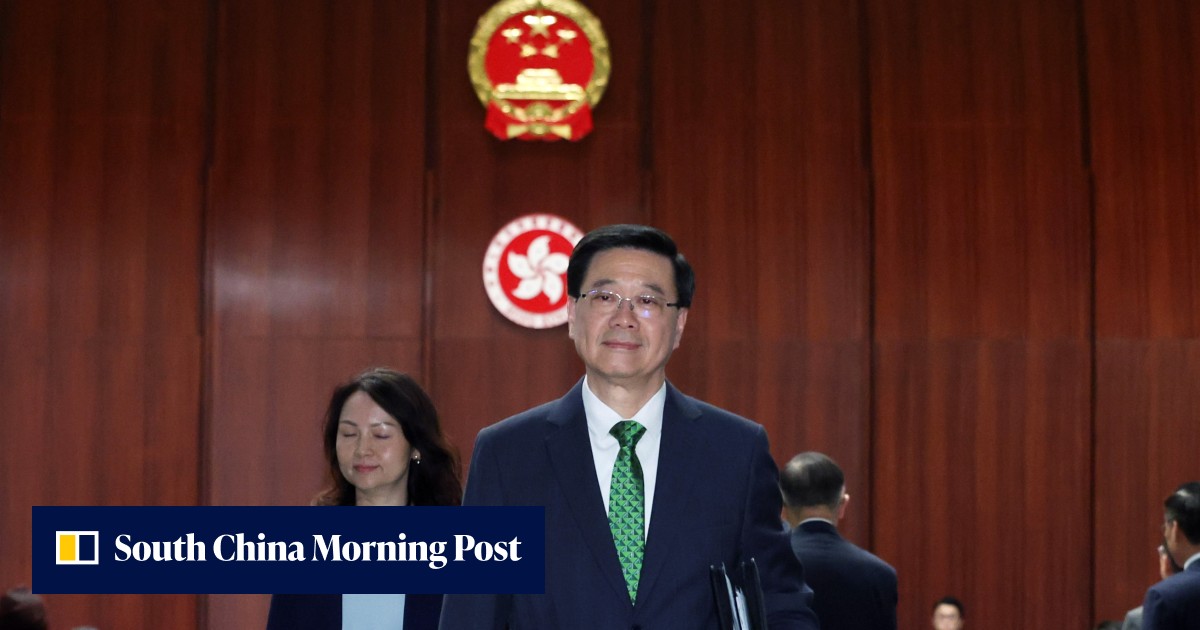
Hong Kong policy address to continue push helping local media go global
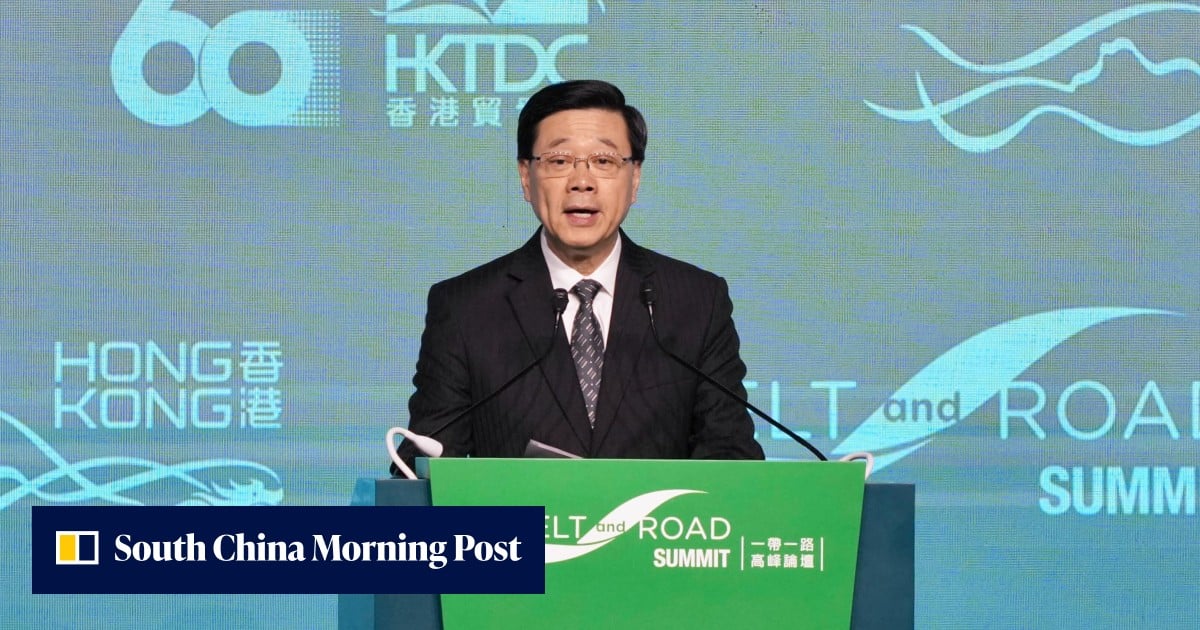
Hong Kong a ‘2-way springboard’ between mainland China and world: John Lee

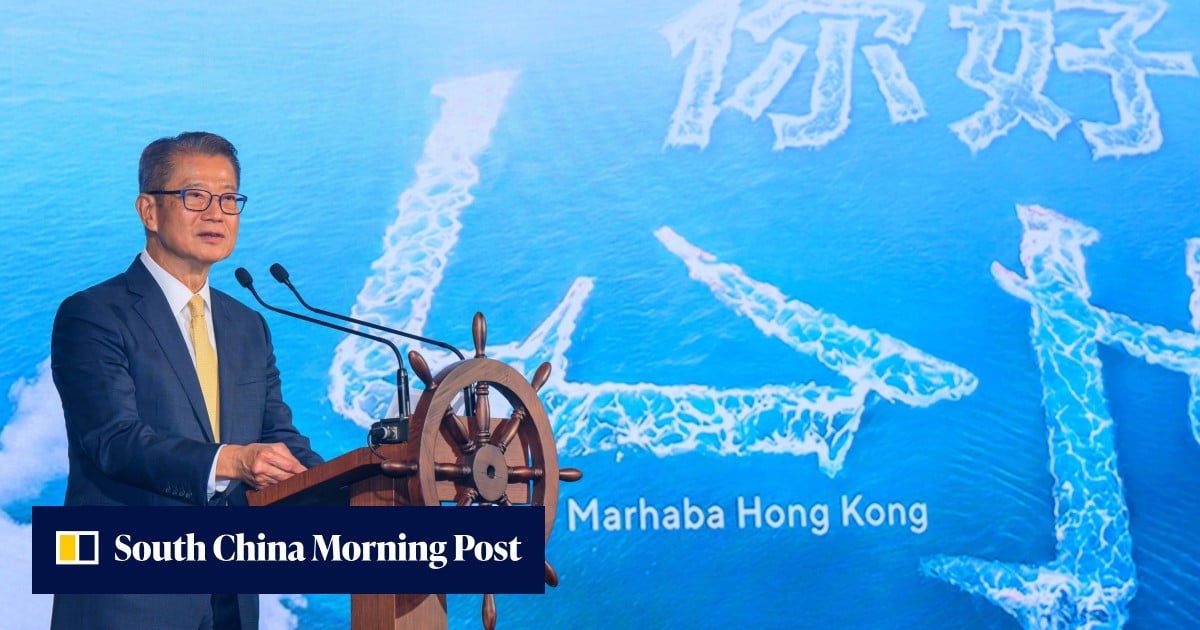
Hong Kong to propel belt and road market expansion, finance chief says

3 key belt and road connectivities that Hong Kong drives

China’s Xi makes first visit to Egypt in a decade, amid regional turmoil
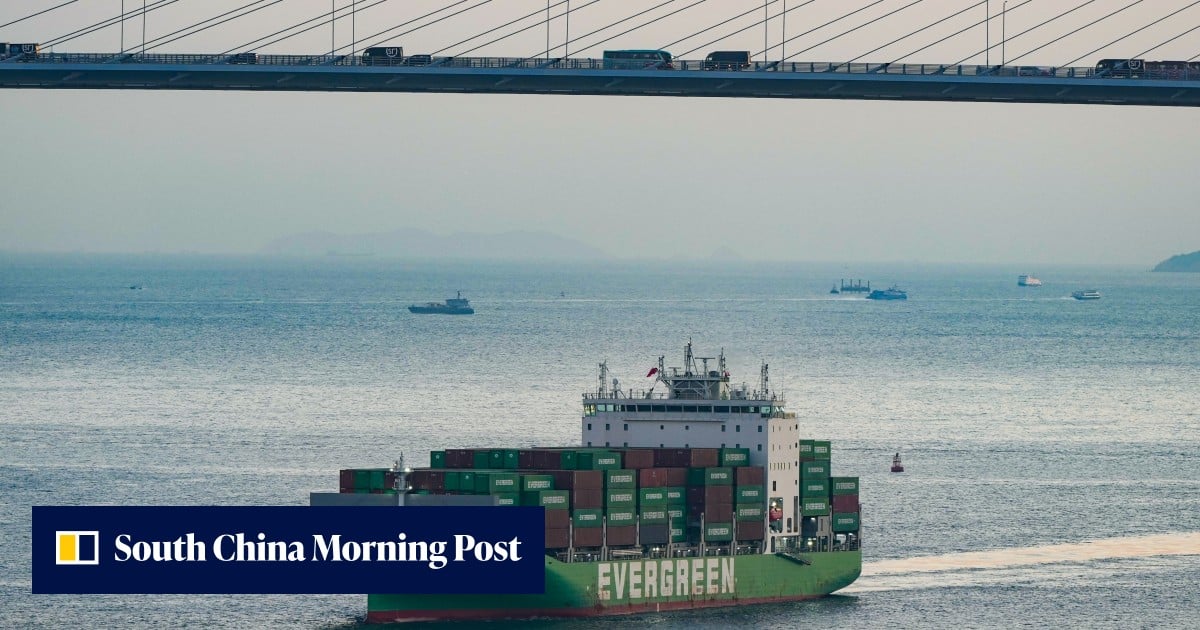
82% of Chinese firms eye overseas growth, with Hong Kong top service support choice

Ecuador’s Noboa courts China on shrimp, copper without threatening US ties