

Cuban Revolution
Event ConflictThe Cuban Revolution, begun in 1959, established a socialist state, impacting Cuba-US relations and its economy.
Total Coverage:2 articles
Last 7 Days:0
Event Overview
The Cuban Revolution, which triumphed in 1959, led by Fidel Castro, overthrew the Batista dictatorship and established a socialist state. This event profoundly shaped Cuba's political and economic landscape, leading to a long-standing US embargo and strained relations. The revolution's legacy continues to be newsworthy due to ongoing tensions with the US, as highlighted by President Diaz-Canel's recent statement asserting Cuba's readiness to defend itself against potential US aggression. Furthermore, Cuba's economy, particularly its vital tobacco industry, faces new pressures due to the US oil blockade, threatening its top export and a symbol of Cuban prestige. Despite economic challenges, Cuban cigars maintain a global reputation for luxury, generating significant revenue. The revolution's impact remains relevant as Cuba navigates its relationship with the US and seeks economic stability in a changing world.
Last updated: May 1, 2026
Coverage Timeline
Raúl Castro absent as Cuba celebrates anniversary of key revolutionary attack

Trump administration sanctions Cuba’s national oil company, blasts Castros

Trump administration offers $100m in aid to Cuba in exchange for reform
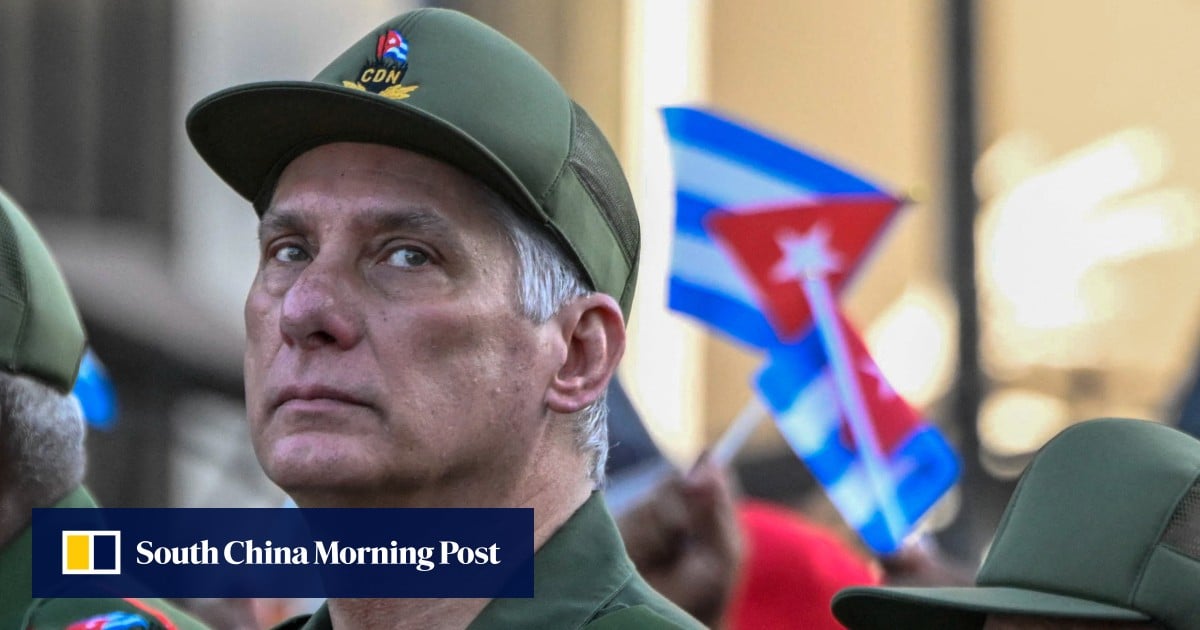
Cuba’s president says island does not wish for US aggression, but ready to fight
