
Gwangju massacre
Event ConflictThe Gwangju massacre was a violent suppression of a pro-democracy uprising in South Korea in 1980.
Total Coverage:2 articles
Last 7 Days:0
Event Overview
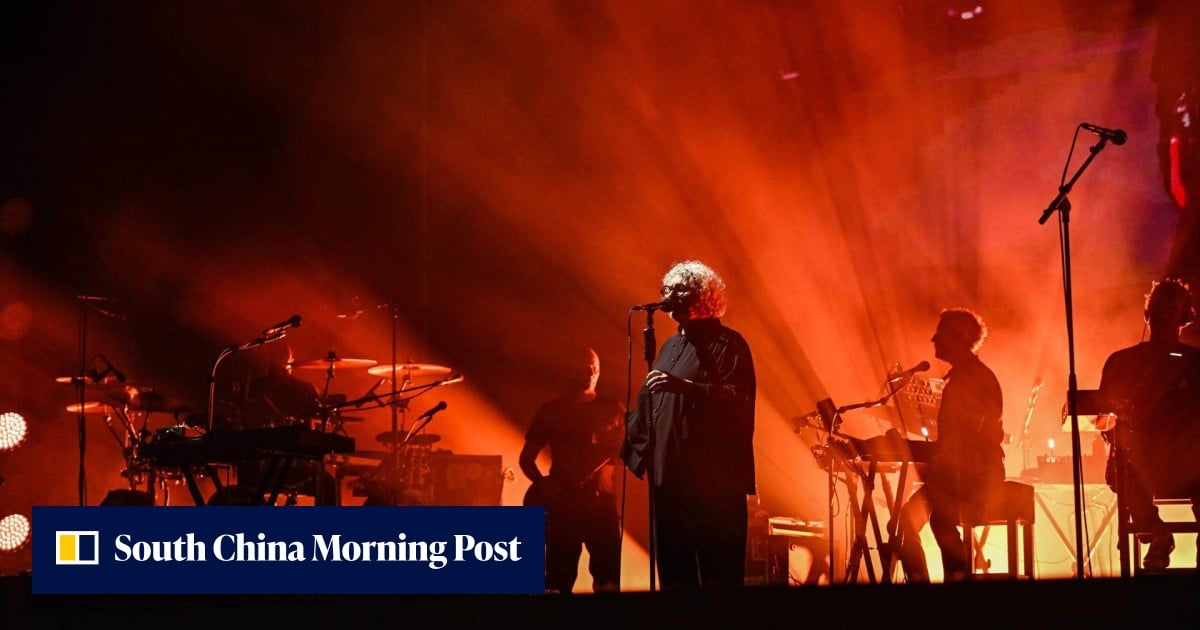
The Gwangju massacre refers to the violent suppression of a pro-democracy uprising in Gwangju, South Korea, in May 1980. During this period, citizens protested against the military dictatorship of Chun Doo-hwan, demanding democratic reforms. The military responded with brutal force, resulting in a significant number of civilian casualties, though exact figures remain disputed. The event is a pivotal moment in South Korea's modern history, symbolizing the struggle for democracy against authoritarian rule. Recently, the Gwangju massacre has resurfaced in public discourse through cultural events. For instance, a performance by the band Massive Attack, which included a song associated with the pro-democracy movement, drew scrutiny from a city councillor. Similarly, Starbucks Korea announced a temporary closure of all its stores for a history lesson after a promotion inadvertently evoked memories of the massacre, leading to public backlash. These incidents highlight the enduring sensitivity and relevance of the Gwangju massacre in contemporary South Korean society, underscoring the ongoing efforts to acknowledge and learn from this dark chapter of its past.
Last updated: August 8, 2026
