
.svg?width=300)
European Convention on Human Rights
Organization NGOECHR: Post-WWII treaty facing calls for reform by 27 nations, citing migration concerns; critics fear rights erosion.
Mentions:6
7 Days:0
About
The European Convention on Human Rights (ECHR) is a treaty established after World War II to protect fundamental human rights and freedoms in Europe. It is overseen by the European Court of Human Rights. The ECHR is currently newsworthy because 27 European nations are advocating for its reform, primarily to address challenges related to migration. These nations argue that the ECHR, in its current form, hinders their ability to manage migration effectively. This push for reform has sparked significant debate, with opponents, including human rights organizations like Amnesty International, warning that altering the ECHR could weaken fundamental human rights protections that have been in place for decades. The debate highlights the tension between national sovereignty, migration control, and the protection of individual rights guaranteed by the convention. Recent events in the UK, such as debates on parental rights for convicted paedophiles, surveillance of journalists, deportation policies, and transgender inmate policies, also underscore the ongoing relevance and application of human rights principles within the ECHR framework.
Last updated: September 18, 2026
Recent Coverage

Most asylum seekers rejected under tightened laws will remain in UK
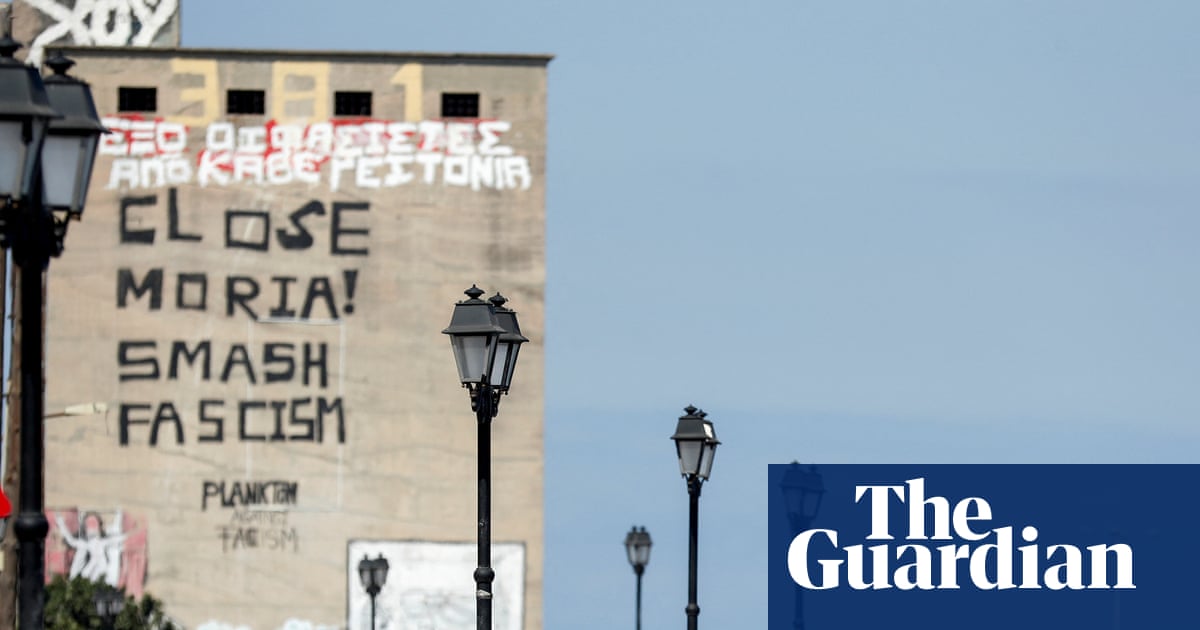
Norwegian court blocks extradition to Greece of migrant rights activist
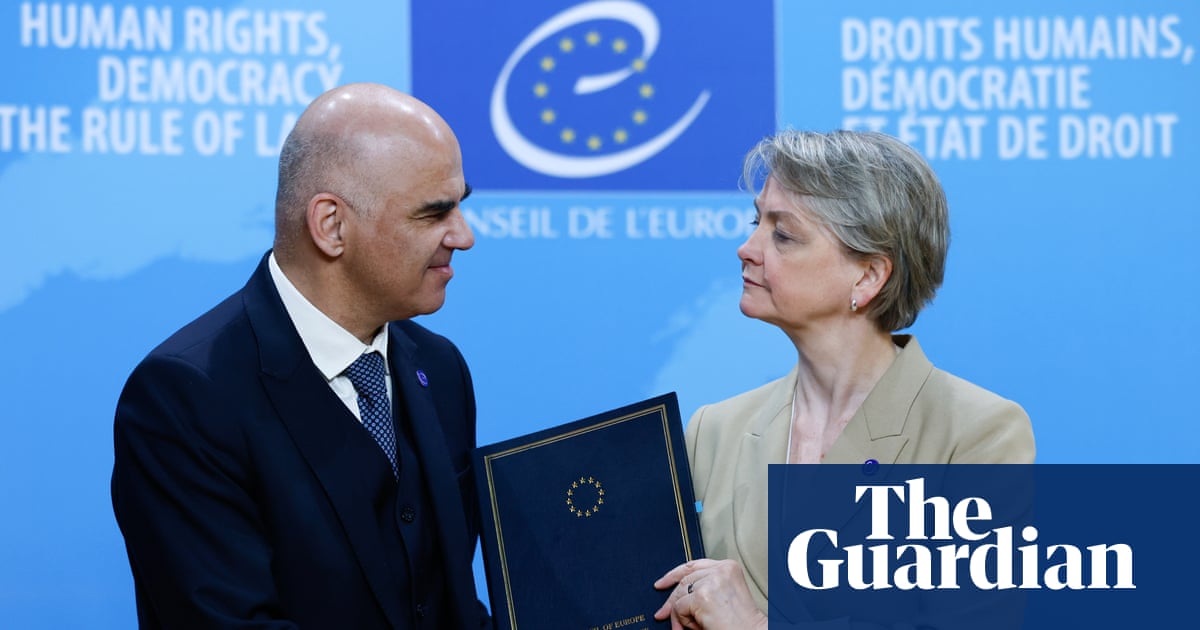
UK joins European deal to send rejected asylum seekers to third-country hubs

UK ministers accused of weakening legal protections for torture victims seeking asylum
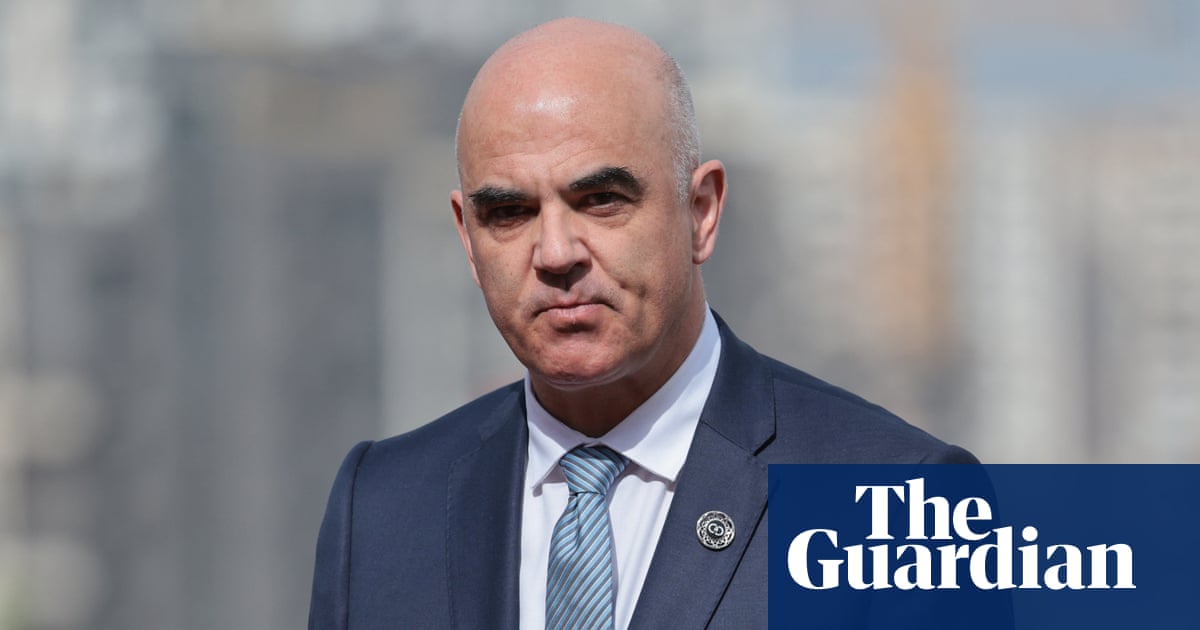
European ministers to discuss sending rejected asylum seekers to third-country hubs
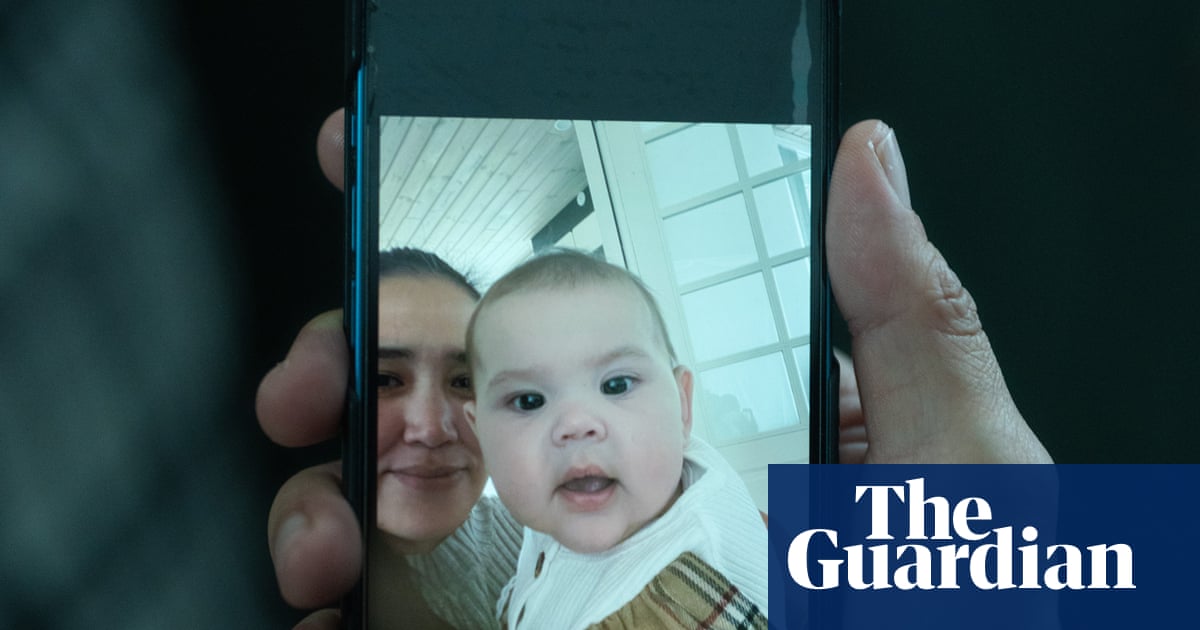
Greenlandic woman wins case against Danish authorities who removed her two-hour-old child

Proposed law does not protect children born to convicted paedophiles, Lords to hear
Police and MI5 waged campaign of illegal interference against ex-BBC journalist, tribunal told