
James Webb Space Telescope
Organization CompanyThe James Webb Space Telescope (JWST) is a space telescope used for astronomical observations.
Mentions:2
7 Days:0
About
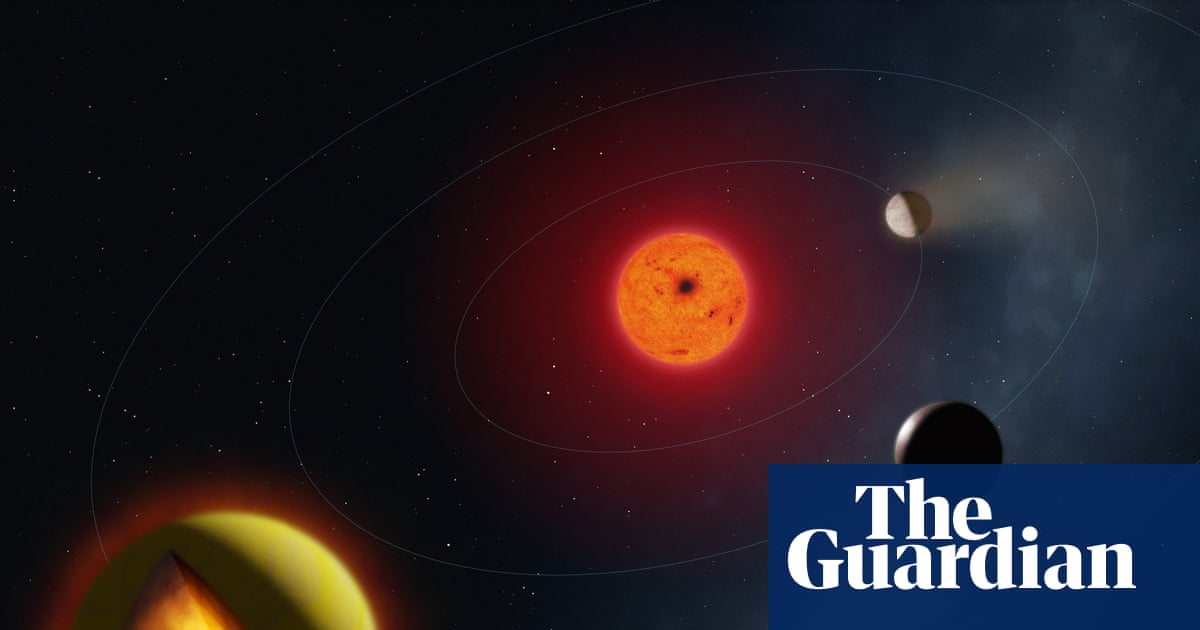
The James Webb Space Telescope (JWST) is a large, space-based observatory designed to observe the universe in infrared light. It is the successor to the Hubble Space Telescope and offers unprecedented capabilities for studying the early universe, exoplanets, and the formation of stars and galaxies. JWST is newsworthy due to its ongoing contributions to astronomical discoveries. Recent articles highlight its potential use in observing a newly discovered young star in the Sagittarius constellation, identified by the Instituto de Astrofísica de Andalucía. This star, historically understudied, is now considered a key target for future JWST observations. Furthermore, JWST's data has contributed to the analysis of exoplanet L 98-59 d, revealing it may be a molten, lava-covered world, challenging previous assumptions about its composition and highlighting the diversity of exoplanets. These findings demonstrate JWST's significance in advancing our understanding of stellar evolution and planetary science.
Last updated: October 4, 2026
Recent Coverage
El cometa 3I/ATLAS podría tener 12.000 millones de años, siendo el objeto interestelar más antiguo del sistema solar
Descubren en Sagitario una estrella recién nacida: caliente, luminosa y masiva

„Dieser geschmolzene Planet spiegelt die große Vielfalt der Welten wider“