AA
Antiquities Act
Topic PolicyThe Antiquities Act allows presidents to designate national monuments on federal land.
Total Coverage:2 articles
Last 7 Days:0
Topic Overview
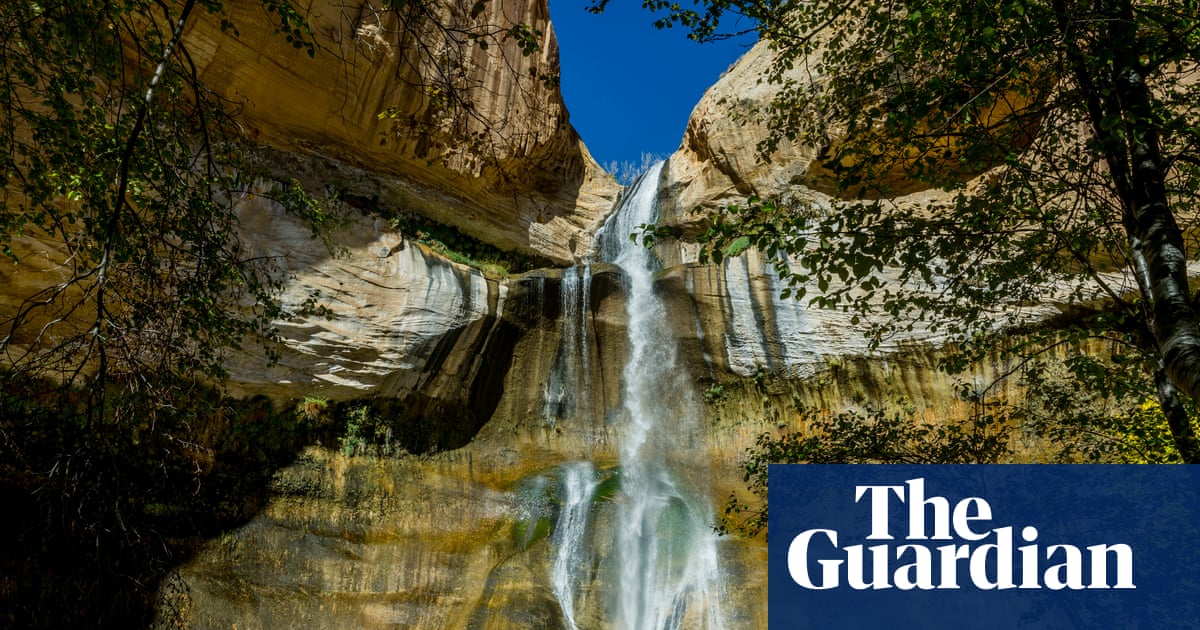
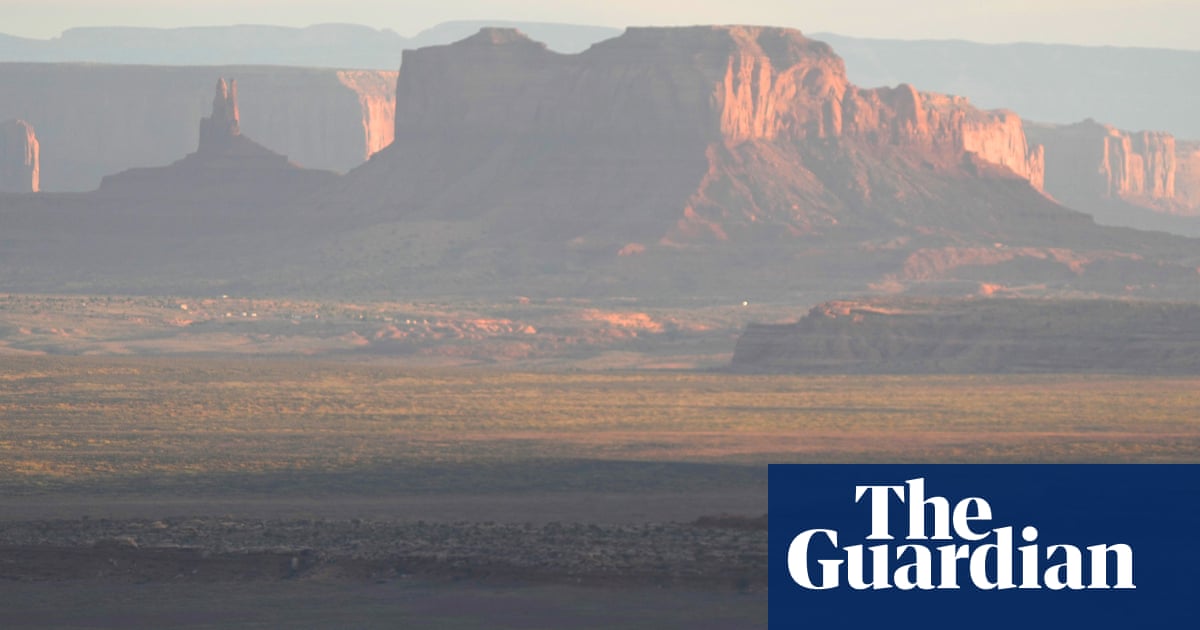
The Antiquities Act of 1906 empowers the President of the United States to declare historic landmarks, structures, and other objects of historic or scientific interest situated upon the lands owned or controlled by the government of the United States to be national monuments. This authority has been used by presidents of both parties to protect significant natural and cultural sites. Recently, the Act has been at the center of controversy due to President Donald Trump's decision to drastically reduce the size of two national monuments in Utah: Bears Ears and Grand Staircase-Escalante. These reductions, affecting nearly 3 million acres, were challenged by environmental groups and Native American tribes who consider the lands sacred. The move was seen as opening these areas to potential development, such as oil and gas extraction. Patagonia, the outdoor apparel company, has joined lawsuits against these reductions, highlighting the ongoing debate about the balance between conservation and resource development on public lands. The current relevance lies in the legal battles and public discourse surrounding presidential authority to create and modify national monuments.
Last updated: September 11, 2026