AA
Armistice Agreement
Topic PolicySouth Korea demands apology from North Korea after landmine incident near DMZ.
Total Coverage:2 articles
Last 7 Days:2
Topic Overview
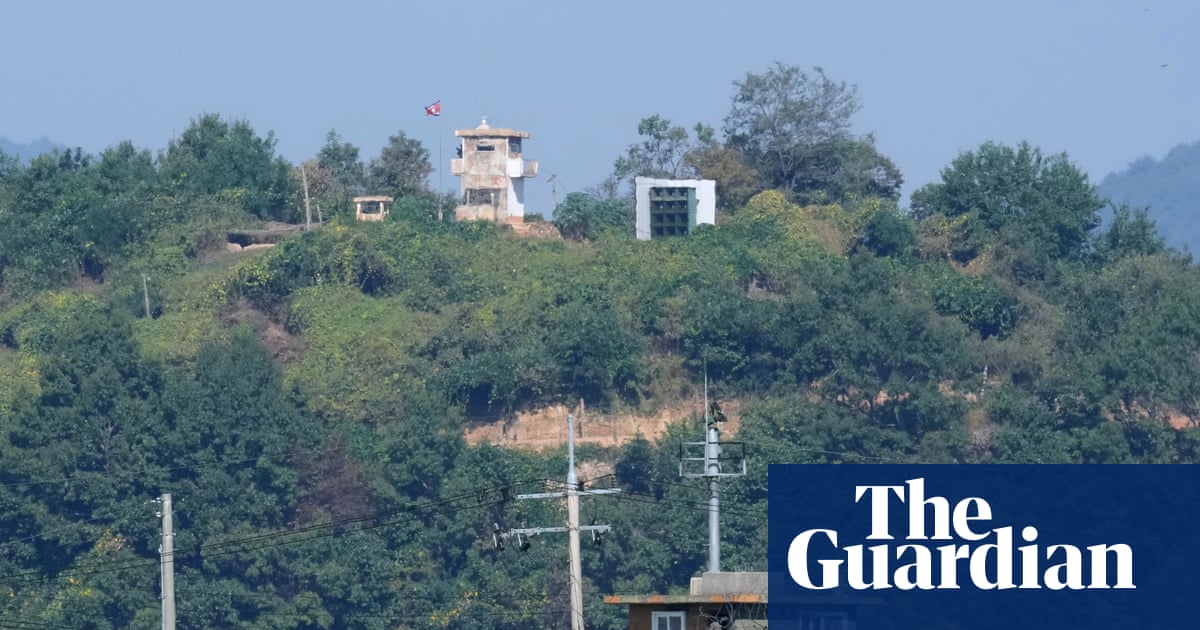
The Armistice Agreement, signed in 1953, formally ended hostilities in the Korean War but did not establish a peace treaty, leaving the Korean Peninsula technically in a state of war. The agreement created the Demilitarized Zone (DMZ) as a buffer between North and South Korea. Recent events have brought renewed attention to the fragile nature of this armistice. South Korea has demanded an apology and "responsible measures" from North Korea following landmine explosions on September 21st near the military demarcation line within the DMZ. These explosions injured three South Korean soldiers during a search operation. South Korea asserts that the mines were planted by North Korea on the southern side of the border, while North Korea denies planting mines. This incident highlights the ongoing tensions and potential for conflict along the heavily fortified border, underscoring the continued relevance of the Armistice Agreement as the sole framework governing inter-Korean relations and the absence of a lasting peace.
Last updated: September 30, 2026