BC
Birthright Citizenship
Topic PolicyBirthright citizenship grants citizenship to individuals born within a country's territory, a principle upheld by the US Supreme Court.
Total Coverage:2 articles
Last 7 Days:0
Topic Overview
Birthright citizenship, also known as *jus soli*, is the legal right to citizenship for a person born within the territory of a state. This principle is enshrined in the 14th Amendment of the U.S. Constitution, which states that all persons born or naturalized in the United States are citizens. Recently, the U.S. Supreme Court has been a focal point for discussions surrounding this concept, particularly in relation to former President Donald Trump's immigration agenda. Trump's administration had explored executive actions that could potentially challenge or alter birthright citizenship for children of undocumented immigrants. The Supreme Court's decision to uphold birthright citizenship, rejecting attempts to abolish it, is a significant development. This ruling is newsworthy as it directly impacts immigration policy and reaffirms a long-standing constitutional right, signaling a major setback for efforts to restrict it. The current relevance lies in its affirmation of established legal precedent and its implications for the rights of individuals born in the U.S., regardless of their parents' immigration status.
Last updated: September 30, 2026
Coverage Timeline
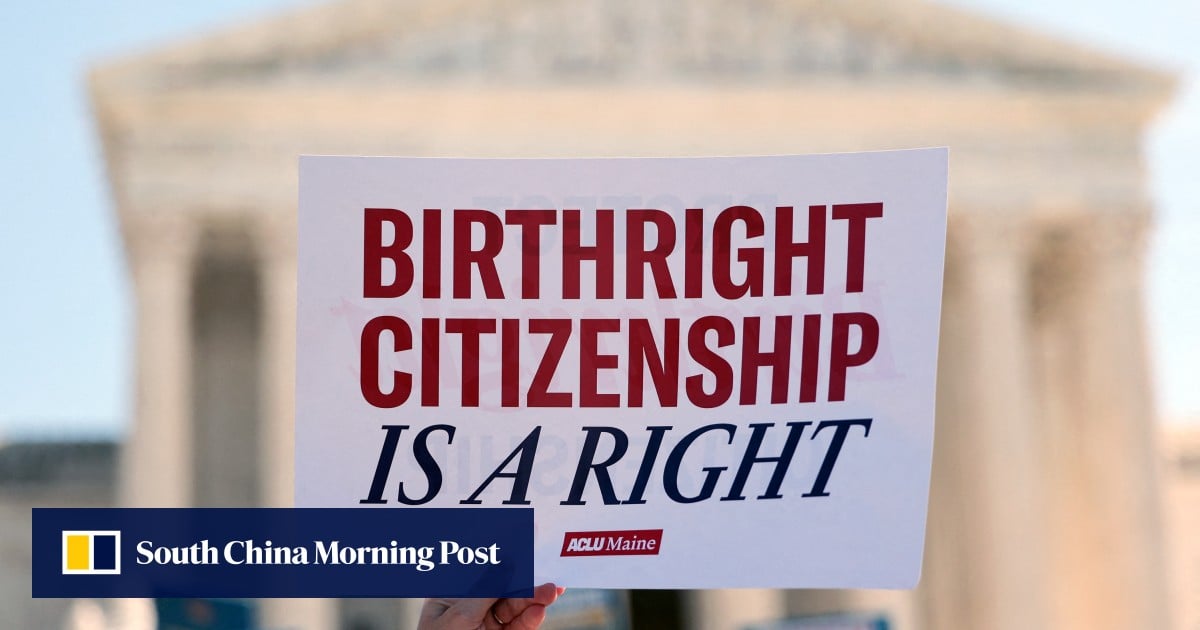
Trump turns to China in renewed US birthright citizenship push

At 250, America is still deciding who belongs
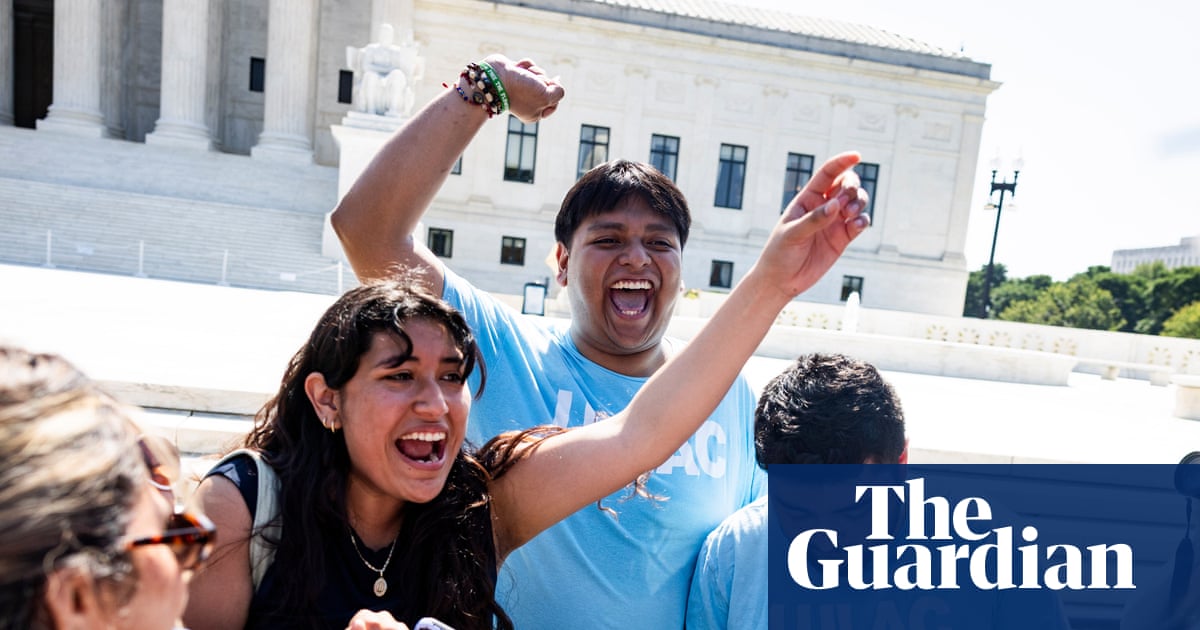
US supreme court upholds birthright citizenship in blow to Trump agenda