
G
GCSE
Topic PolicyGCSEs are UK exams for 16-year-olds, impacting university entry and vocational paths.
Total Coverage:2 articles
Last 7 Days:0
Topic Overview
GCSEs (General Certificate of Secondary Education) are standardized examinations taken by students in England, Wales, and Northern Ireland typically at age 16. They represent a crucial milestone in a student's academic career, influencing their options for further education, including university entry, and vocational training. Recent discussions highlight concerns that cuts to subjects like languages in schools and universities, as mentioned in Article 1, could impact the breadth of GCSE offerings and the skills students develop. Article 2 touches upon the financial pressures faced by universities, which can indirectly affect the curriculum and the perceived value of certain academic pathways, potentially influencing the importance placed on GCSE results. The ongoing relevance of GCSEs lies in their role as a primary measure of academic achievement at this level, shaping future educational and career trajectories for young people across the UK.
Last updated: August 25, 2026
Coverage Timeline

GCSE results: almost one in four boys in England get top grades in maths
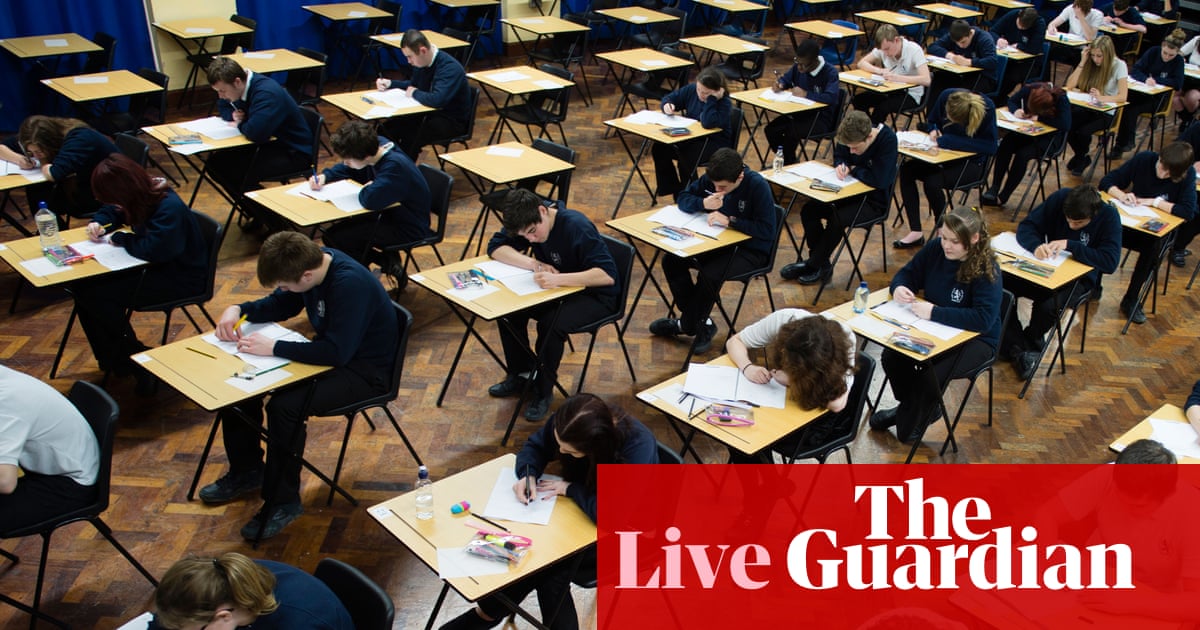
GCSE results: hundreds of thousands of pupils across England, Wales and Northern Ireland await grades – latest updates

Cutting language courses puts social mobility at risk, say UK experts