
hunger strike
Topic PolicyHunger strikes are protests where individuals refuse to eat to demand better conditions or rights.
Total Coverage:2 articles
Last 7 Days:4
Topic Overview
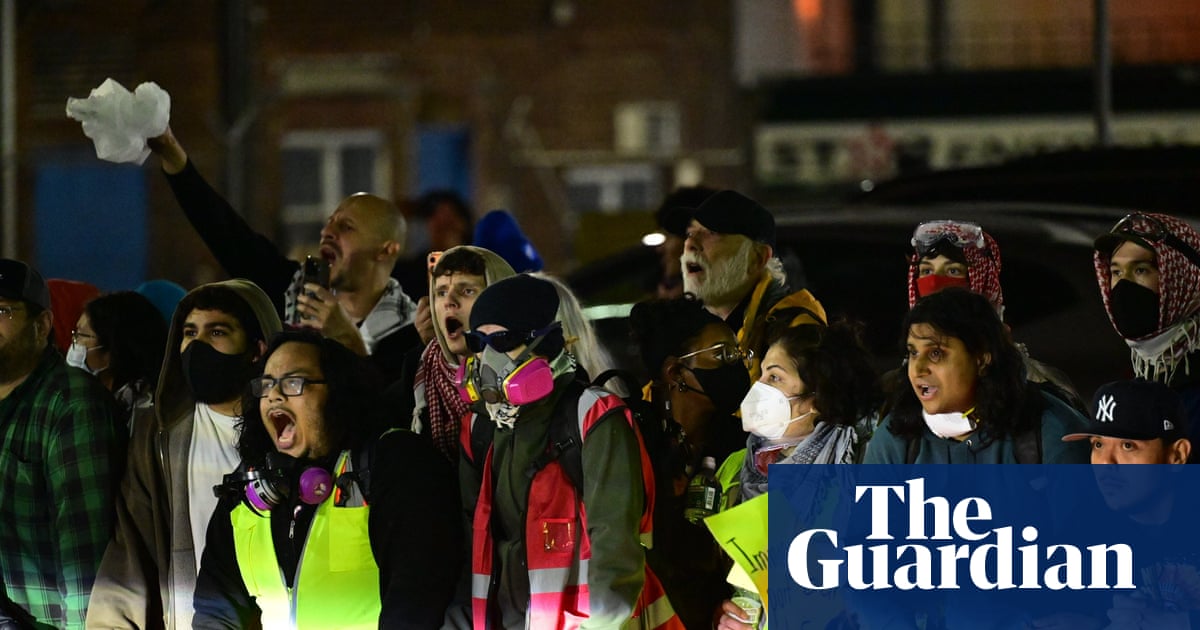
Hunger strikes are a form of protest where individuals voluntarily abstain from eating to draw attention to grievances and demand change. These actions are often undertaken by individuals or groups facing dire circumstances, such as poor living conditions, denial of medical care, or political persecution. Recently, a hunger strike has been ongoing at a New Jersey detention facility, with detainees protesting inadequate conditions and lack of medical attention. This strike gained significant media attention when US Senator Andy Kim and other demonstrators were reportedly pepper-sprayed by federal agents during a protest outside the facility. The protest aimed to prevent the transfer of one of the hunger strikers, Martin Soto. The events highlight the use of hunger strikes as a powerful, albeit risky, tool for marginalized groups to assert their rights and the intense responses they can sometimes provoke from authorities. The current relevance lies in its demonstration of ongoing struggles for basic human rights and the methods employed to seek redress.
Last updated: July 4, 2026
Coverage Timeline

Indian activist Wangchuk ends 26-day hunger strike over exam paper leaks

Indian court rejects bid to release hunger-striking activist from hospital
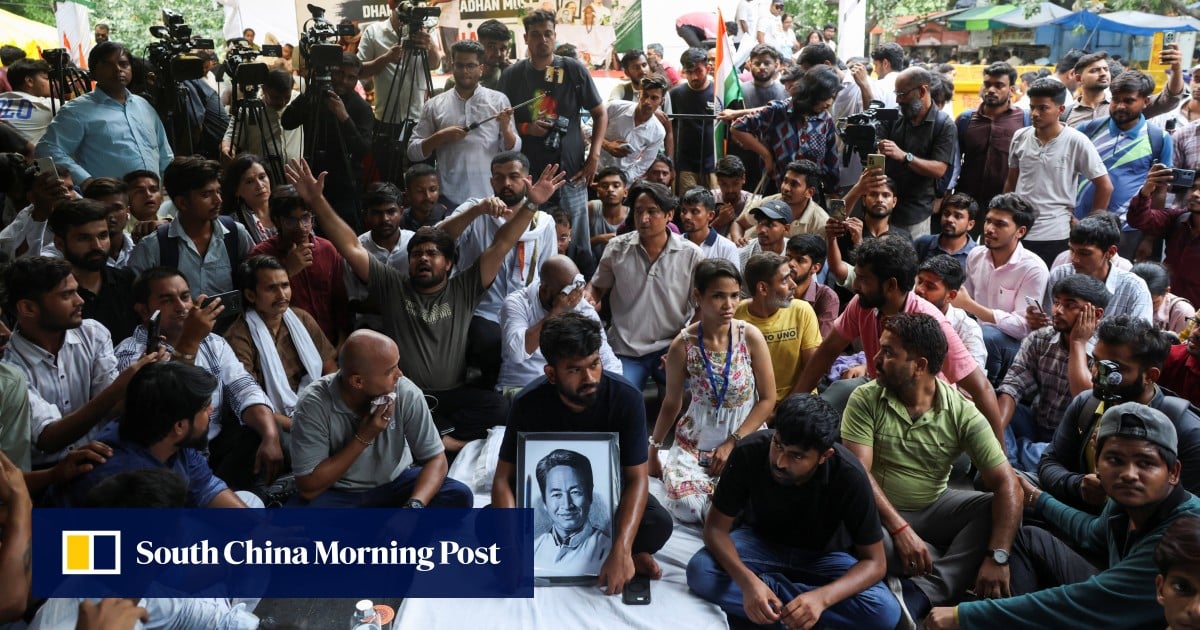
Sonam Wangchuk hospitalised after 21-day hunger strike over exam leaks
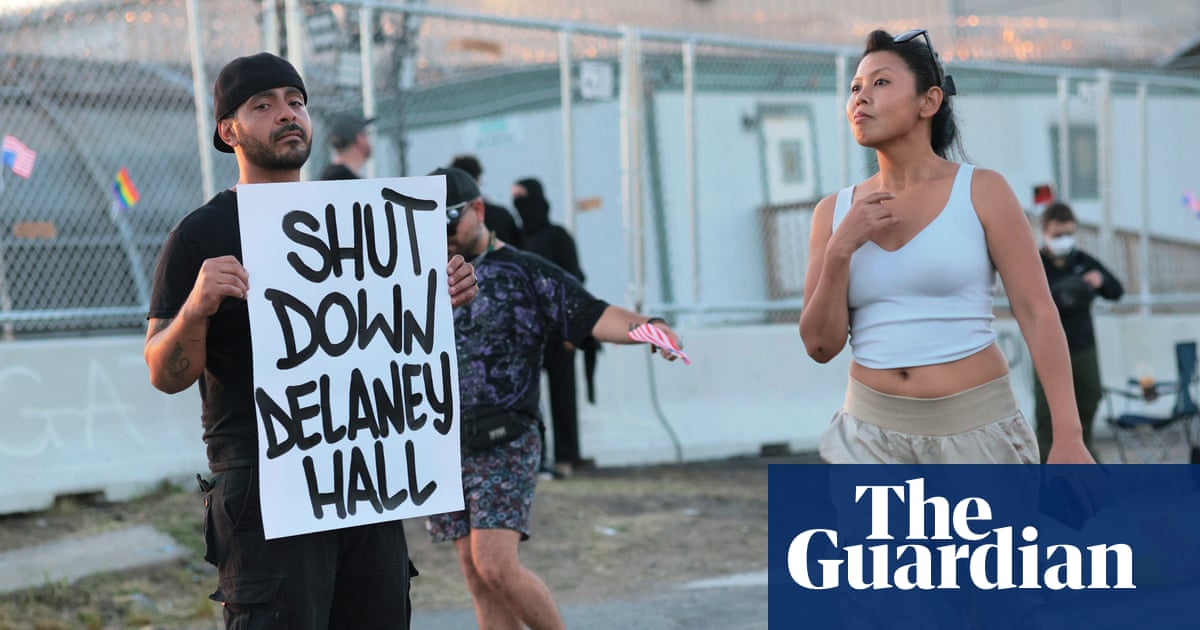
Women held at much-denounced Ice detention camp sign on to hunger strike

US senator says he was pepper sprayed by federal agents during protest at ICE facility